
Epoxy Coating Failure Causes Defects and Solutions
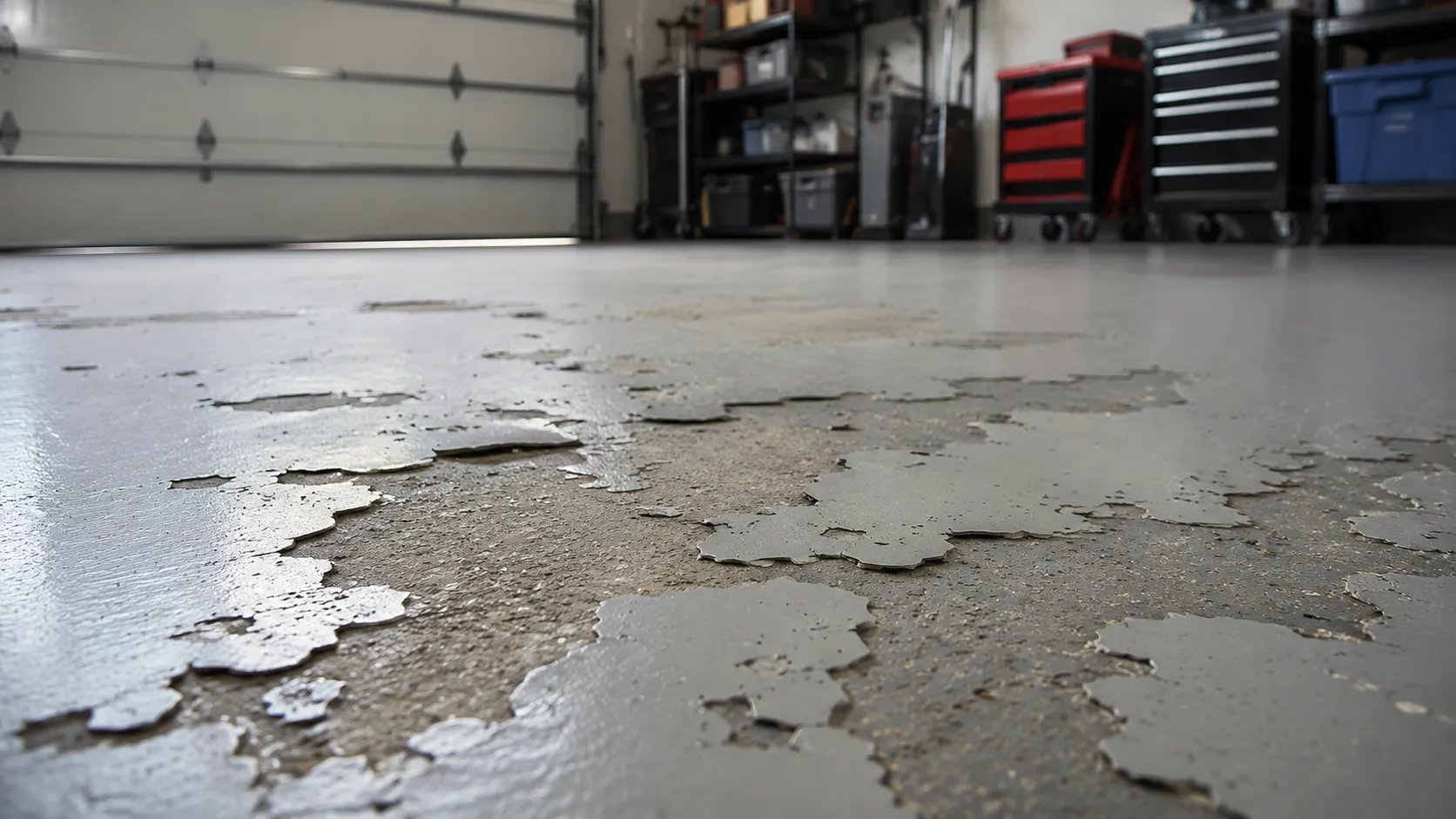
Ever notice how a pristine floor can completely transform a space, only for a sudden epoxy coating failure to ruin the entire investment?
If you’re dealing with bubbling, peeling, or cracking, you already know how frustrating it is. In my years of hands-on industry experience, I’ve seen exactly why these floors give out—and usually, it comes down to hidden system defects or avoidable installation blunders.
Whether you’re trying to diagnose a current mess or prevent a costly future mistake, you need answers that actually work. In this quick guide, we’re going to break down the exact root causes behind these breakdowns and deliver the foolproof solutions you need to fix them for good.
Let’s dive right in.
Common Causes of Epoxy Coating Failure
Epoxy coatings are globally recognized for their durability, but improper application or environmental factors can lead to premature epoxy coating failure. Understanding why these protective layers fail is crucial for ensuring long-term surface integrity.
1. Inadequate Surface Preparation
The most frequent driver of coating failure is poor surface prep. Epoxy requires a clean, porous profile to bond correctly.
Contaminants: Residual oil, grease, dust, or chemical laitance prevents the epoxy from adhering to the substrate.
Smooth Surfaces: Concrete that has not been properly acid-etched or diamond-ground lacks the mechanical profile needed for a strong bond, resulting in peeling and delamination.
2. Moisture Vapor Transmission (MVT)
High moisture levels within a concrete slab create hydrostatic pressure that pushes upward against the non-porous epoxy film.
Blistering: Trapped moisture expands, causing bubbles or blisters to form beneath the surface.
Delamination: The pressure eventually breaks the adhesive bond, forcing the coating to lift entirely from the substrate.
3. Improper Mixing and Curing Issues
Epoxy is a precise two-part chemical system. Deviating from strict application guidelines inevitably leads to a curing failure.
Incorrect Ratios: Failing to mix the resin and hardener at the exact manufacturer-specified ratio leaves the coating permanently tacky or overly brittle.
Insufficient Mixing: If the two components are not blended thoroughly, localized soft spots will develop across the floor.
Temperature Extremes: Applying epoxy outside of its optimal temperature window disrupts the chemical reaction, causing immediate cracking or a complete failure to harden.
Built-In System Flaws Behind Epoxy Coating Failure
When an epoxy floor fails, we usually blame the installation day. But often, the real culprit is a hidden system flaw built right into the environment or the material itself. If the overall system is compromised, an epoxy coating failure is practically guaranteed before the mixing even starts.
Common Systemic Vulnerabilities
- Underlying Vapor Moisture: Concrete looks dry on top, but hydrostatic pressure pushes water vapor up from the earth. Without a dedicated moisture vapor barrier in the system design, this trapped moisture creates high pressure, leading to blistering and peeling.
- Poor Concrete Tensile Strength: An epoxy topcoat is only as strong as the concrete underneath. If the substrate is weak, dusty, or crumbling, the epoxy will bond to the top layer and pull it right up, causing a structural delamination.
- Thermal Shock Mismatch: Standard epoxies cannot handle rapid temperature swings (like hot-water washdowns in commercial kitchens). The concrete and the epoxy expand at different rates, leading to stress lines and severe cracking.
Material Issues and Curing Failure
The chemistry of the system must match the site conditions perfectly. A breakdown in the chemical balance or environment causes immediate system degradation.
| System Flaw | Direct Result on Floor | Why It Happens |
|---|---|---|
| Incorrect Mix Ratios | Uncured, sticky spots | Improper part A and part B cross-linking |
| Low-Temp Application | Curing failure | Floor temperature drops below the chemical activation point |
| High Ambient Humidity | Amine blush (cloudy film) | Surface moisture reacts with the curing agent |
When we engineer a flooring system, we look at the whole picture. Ignoring these systemic factors means you are just coating over a problem that will show up later as a total floor failure.
3. How to Fix and Prevent Epoxy Coating Failure
When dealing with an epoxy coating failure, you need a permanent fix, not a temporary patch. If your floor is suffering from peeling, cracking, or a total curing failure, you have to strip it back and do it right. We focus on bulletproof surface prep and exact chemical mixing to ensure your next coat locks down forever.
Step-by-Step Fix for Peeling and Cracking
- Mechanical Removal: Grind or shot-blast the failed epoxy down to sound, bare concrete. You cannot apply a new coating over a failing surface.
- Moisture Testing: Check the concrete canvas using a calcium chloride test or a relative humidity meter. High moisture vapor ruins adhesion.
- Acid Etching vs. Diamond Grinding: While acid etching works for small DIY jobs, we always use diamond grinding for industrial-grade profiles. It creates a rougher texture that the resin can physically bite into.
Resolving Curing Failure issues
| Failure Type | Immediate Fix | Prevention Strategy |
|---|---|---|
| Sticky / Tacky Surface | Scrape off the uncured resin with a solvent, wash with soap and water, and mechanical grind the area. | Maintain a strict 2:1 or 1:1 mixing ratio by volume. Never guess the amounts. |
| Blistering & Bubbling | Grind out the blisters, apply a primer coat to seal concrete pores, and reapply the topcoat. | Avoid application in direct sunlight or during rapid temperature drops (outgassing). |
| Brittle Cracking | Gouge out the cracks, fill with an epoxy joint filler, and sand smooth before coating. | Ensure the substrate is completely stable and stable before applying rigid epoxies. |
Pro Tips for a Perfect Bond
Mix Like a Pro: Mix Part A and Part B with a low-speed drill for a full 3 minutes. Scrape the sides and bottom of the bucket. Unmixed resin on the edges is the number one cause of localized curing failure.
Always check the ambient temperature and substrate temperature before pouring. If it is too cold, the chemical reaction stops; if it is too hot, the epoxy flashes and shrinks, leading to premature peeling, cracking, and ultimate project failure.
