
Epoxy resin for wood crack repair with clear gloss strong adhesion moisture resistance custom formulas and bulk supply
Custom epoxy adhesive for metal with strong bonding fast curing and low yellowing OEM options samples and bulk supply available
AB epoxy adhesive with customizable formula fast curing strong bonding and OEM packaging for samples bulk orders
Old furniture has charm, history, and character. But over time, wear and tear can diminish its beauty and functionality. Whether it’s a family heirloom or a vintage piece you found at a flea market, repairing it with the right materials is key. Epoxy resin for furniture repair offers a long-lasting solution to fix cracks, chips, and broken parts, restoring the furniture to its original beauty.
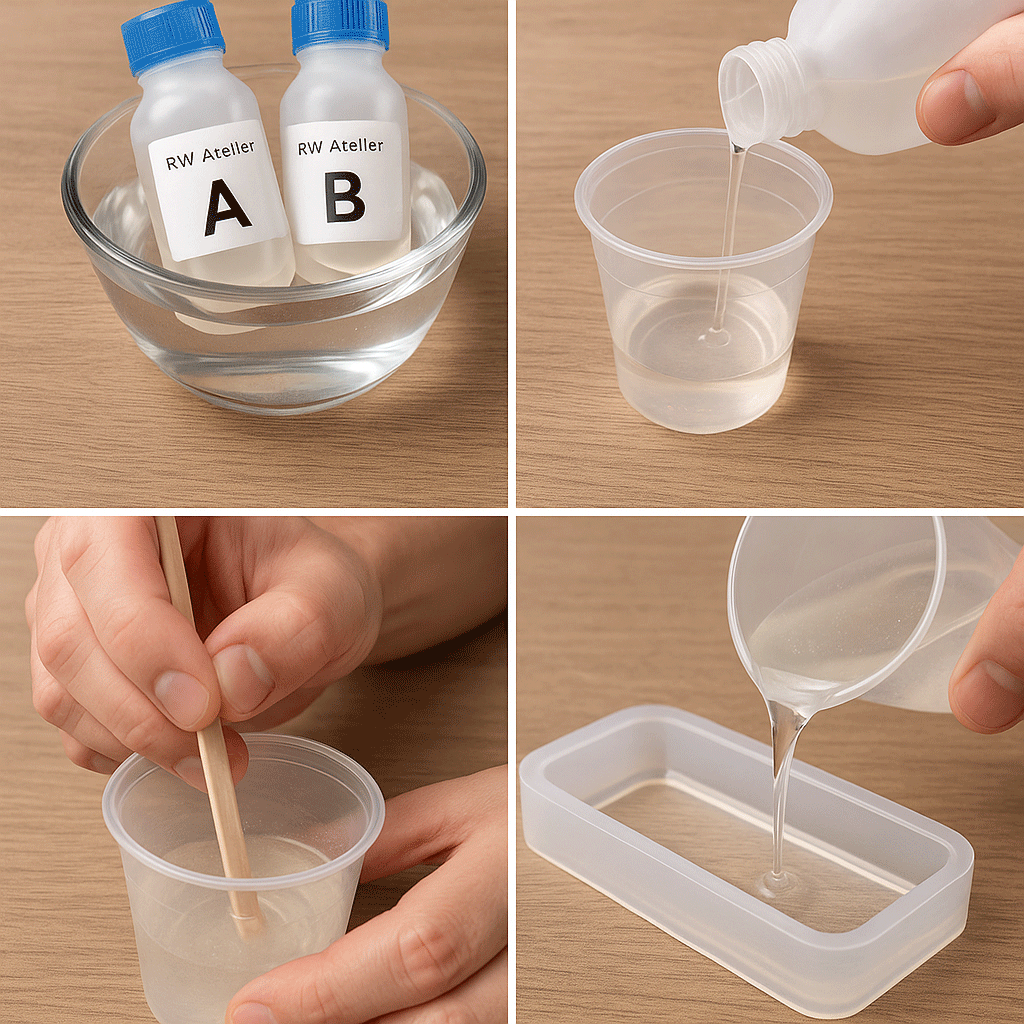
How to Mix Epoxy AB Glue Without Bubbles (5 Easy Steps for Crystal Clear Results) Learn how to mix epoxy AB glue without bubbles in just 5 simple steps. Get crystal-clear, professional results for jewelry, woodwork, and resin art using RW Atelier’s low-bubble formulas like 315AB and 5050AB. 🔧 Quick Snapshot Working Time: 10–30 minutes […]
Epoxy AB glue is a powerful two-part adhesive widely used in crafts, woodworking, electronics, and small-scale manufacturing. It offers strong, clear, and long-lasting bonds—but like any chemical material, it needs to be stored properly to maintain peak performance.
Whether you’re using 315AB, 703AB, 5050AB, or other variants, poor storage can lead to common issues like crystallization, yellowing, or premature hardening. This guide will help you keep your glue fresh, stable, and ready for action.
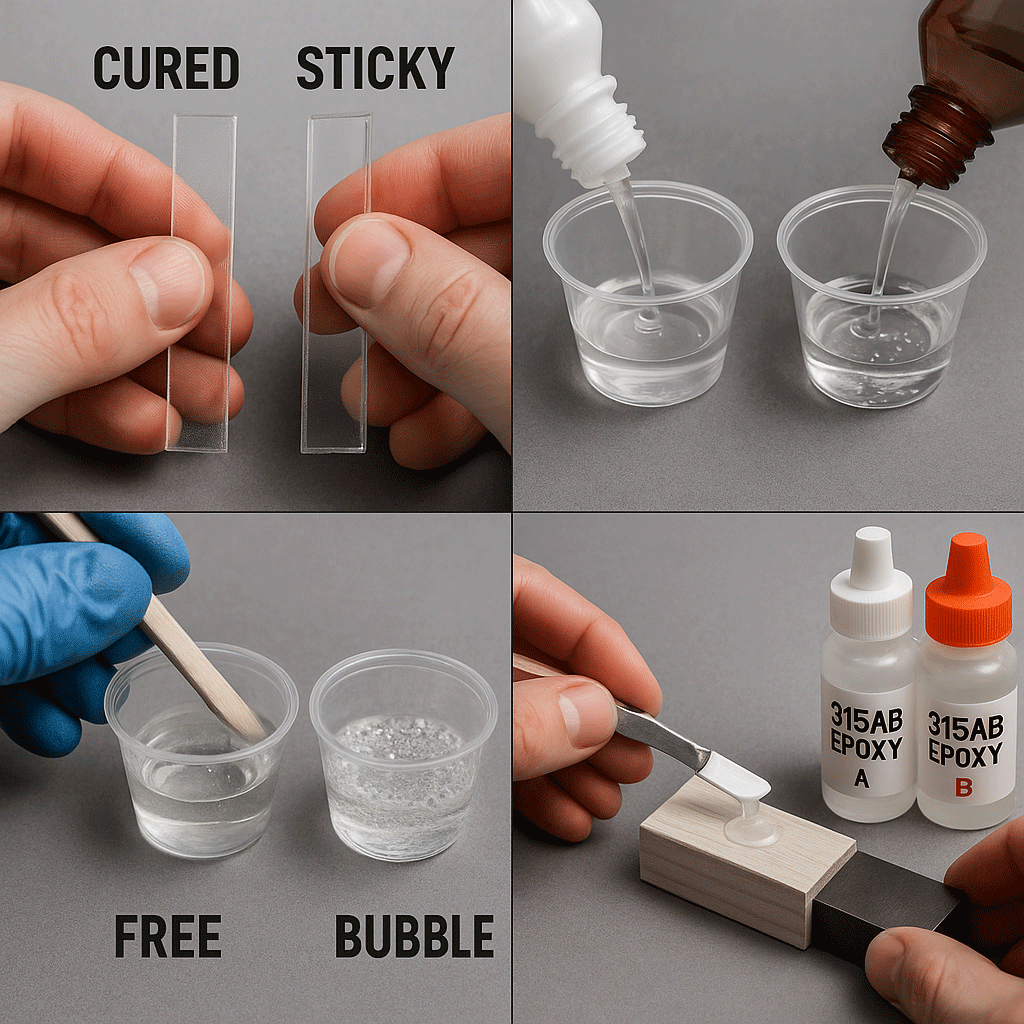
How to Use Epoxy AB Glue for Strong and Clear Craft Bonding (And How to Fix It When It Doesn’t Cure)
Epoxy AB glue is an indispensable adhesive used by makers, artisans, and small manufacturers who need strong, long-lasting bonds that remain visible and transparent. Whether you’re working with wood, metal, resin, or plastic, mastering this two-part adhesive can mean the difference between a flawless finish or a sticky, foggy mess.
This all-in-one guide walks you through how to apply epoxy AB glue properly for smooth, bubble-free bonding—and what to do when things go wrong.
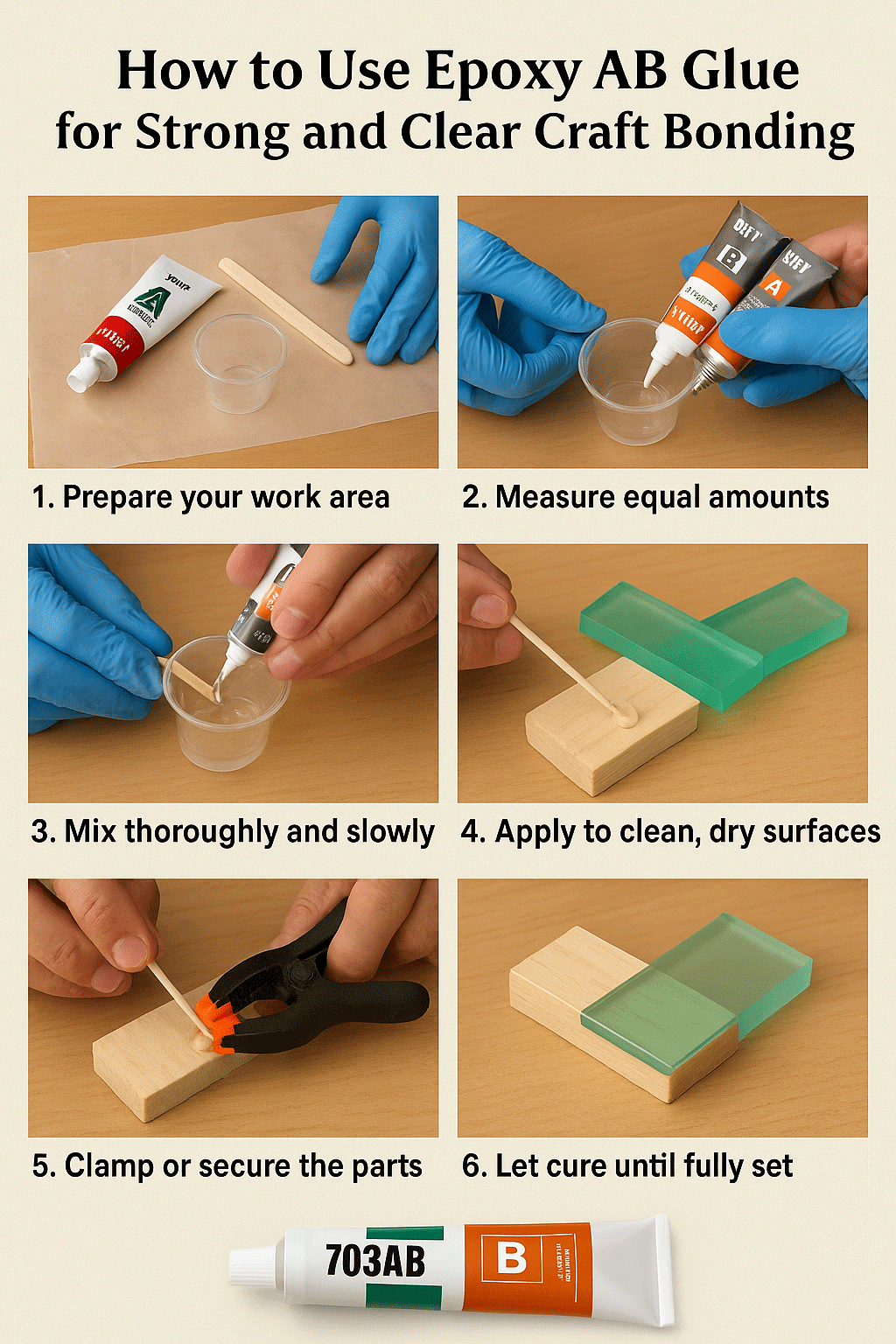
Epoxy AB glue is a must-have adhesive for makers, artisans, and small manufacturers. It delivers strong, long-lasting bonds that are also visually clean and transparent. Whether you’re working with wood, metal, plastic, or resin, mastering this two-part adhesive is essential for getting professional-looking results instead of messy, cloudy finishes.
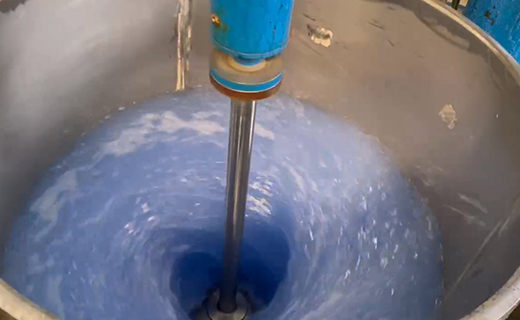
What Is Epoxy Resin AB Glue? A Simple Guide to How It Works and Where It’s Used If you’ve ever made handmade jewelry, fixed a cracked surfboard, or repaired fishing gear, chances are you’ve come across epoxy resin — especially in the form of AB glue. But what exactly is it? Why is it so […]
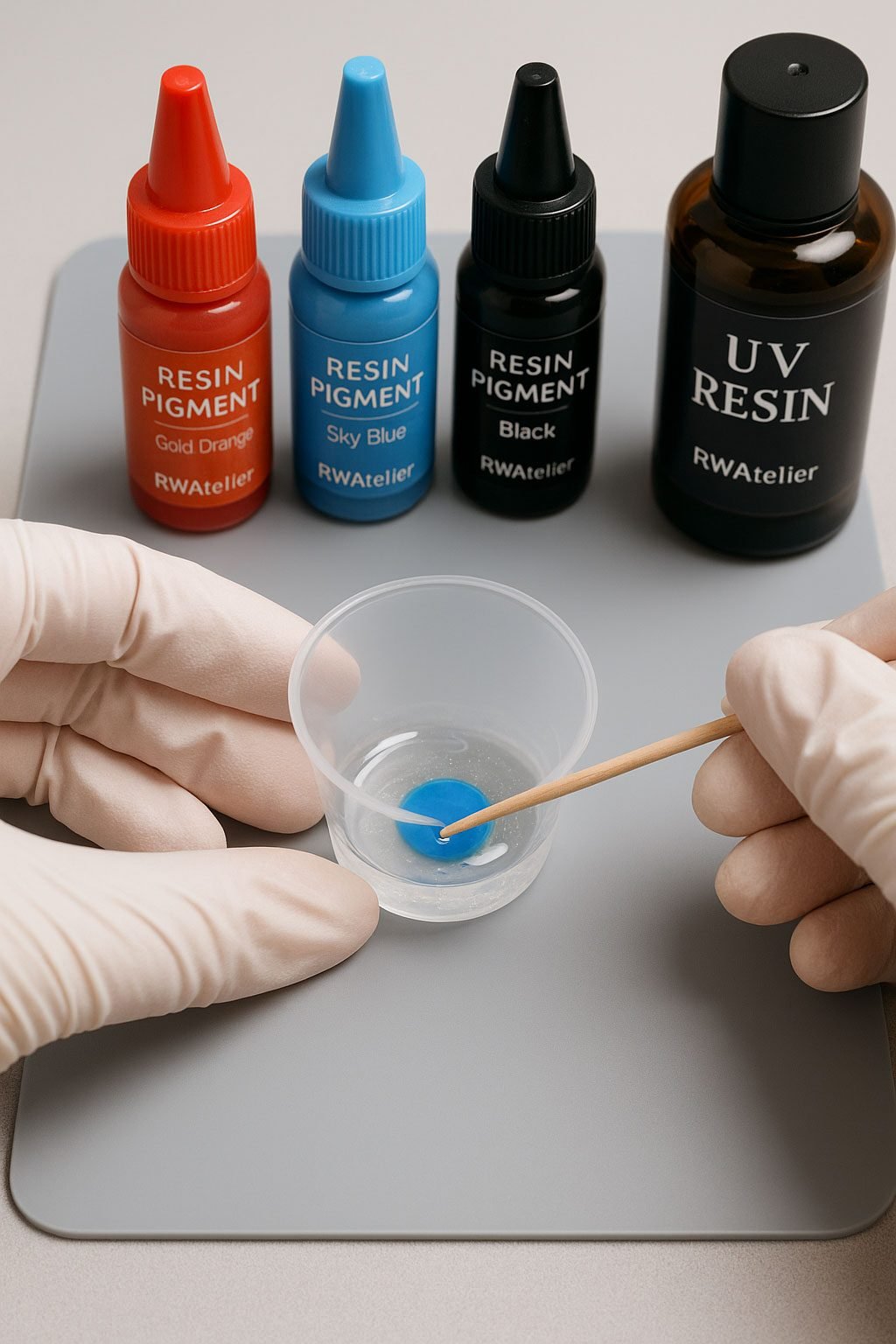
From Zero to Hero: Craft Your Own Crystal Pendant With Epoxy Resin AB Glue Epoxy resin AB glue two bottles labeled A and B, You’re in. One mix in and suddenly you’re staring at something clear, solid, and glittering that you made yourself — a crystal pendant you can actually wear. What Is AB Glue […]
- 1
- 2