
Comprehensive guide to low exotherm epoxy resin for large castings including causes of cracking 3230AB M8 performance thickness dosage and craft cases
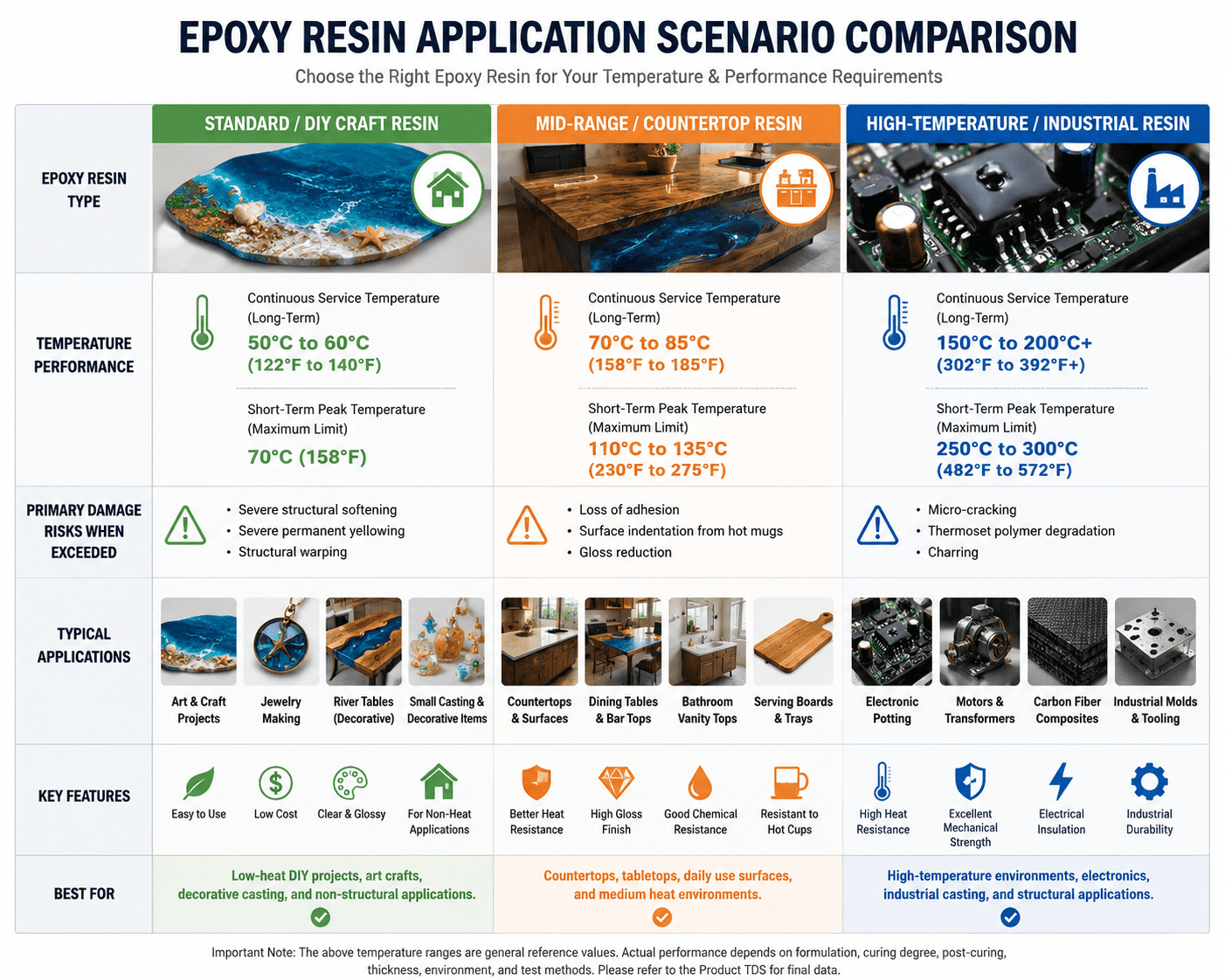
Learn how much heat Common epoxy resin can handle short term vs long term with Tg limits DIY vs industrial and prevent softening or yellowing
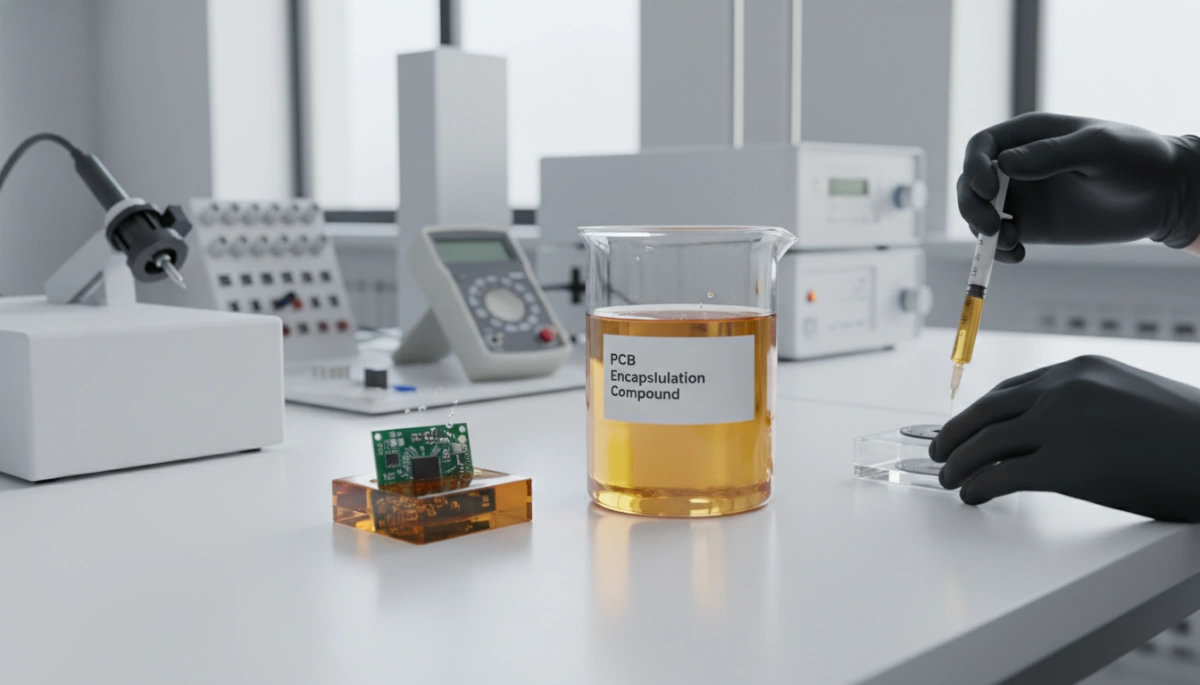
Epoxy potting compound for PCB with high heat resistance flame retardancy and reliable curing for durable PCB epoxy encapsulation resin solutions

Temperature affects everything when working with epoxy—curing time, clarity, consistency, and structural integrity. Pouring epoxy resin at the wrong temperature can result in bubbles, yellowing, soft cures, or even failure to harden.
The best temperature to pour epoxy resin is between 72°F and 78°F (22°C to 25°C). This range ensures proper polymerization and minimizes surface issues.
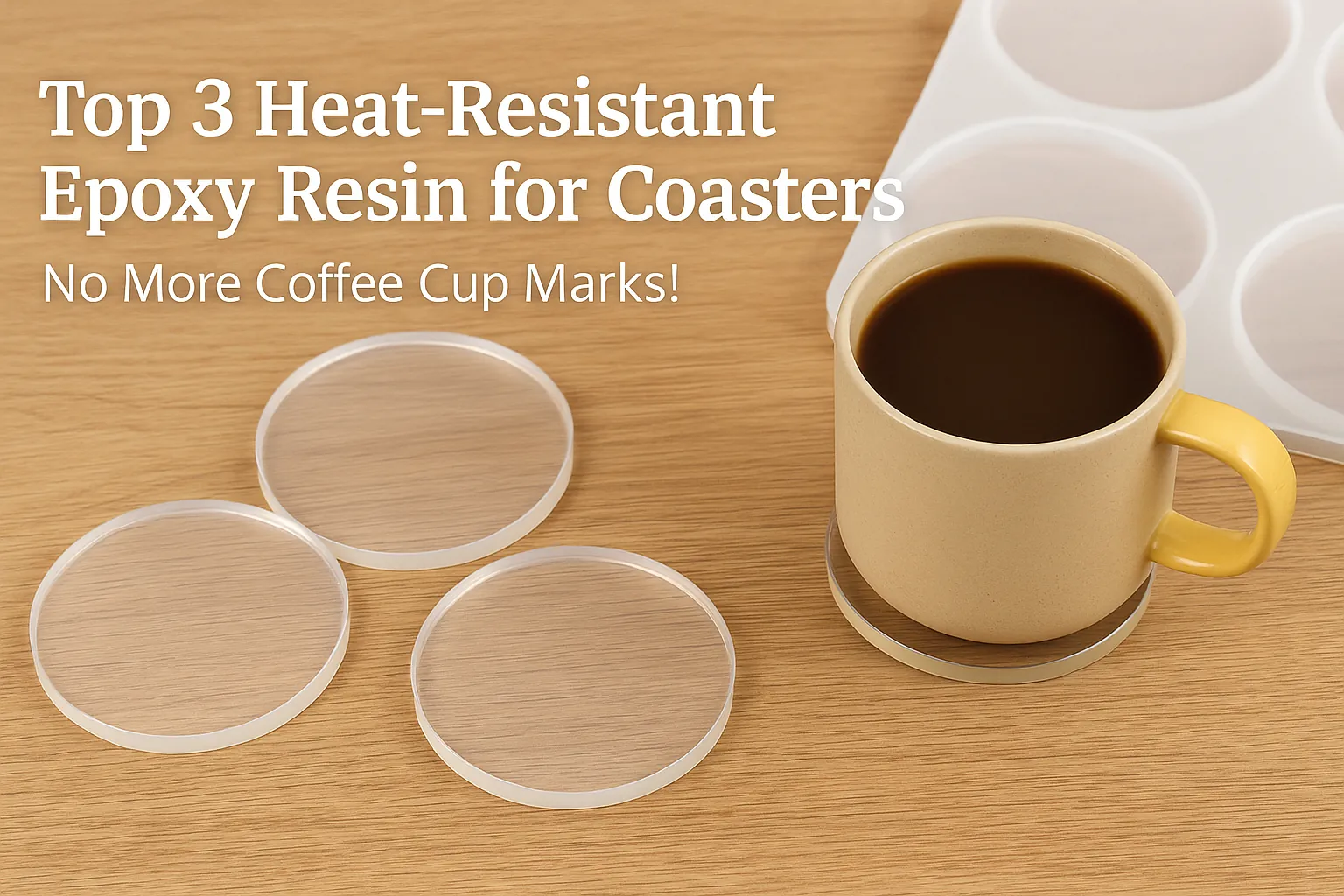
Heat-resistant epoxy resin for coasters is essential if you’re tired of seeing cup rings or soft spots from hot coffee mugs. Many first-time DIYers discover this the hard way—standard epoxy simply can’t handle heat over 120°C (248°F), which most mugs easily reach.
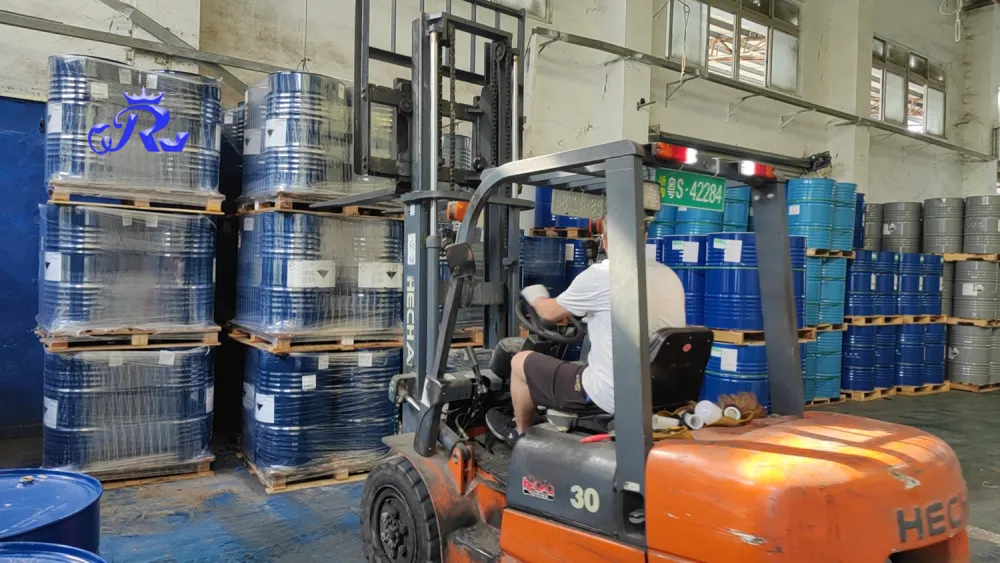
Are you familiar with high-temperature resistant epoxy resins? We have discussed the properties of epoxy resins in other articles. This adhesive, which is used by the engineering industry, can also be applied to all kinds of coatings. Industries such as food and electronics, maritime, construction, or even electronic, cannot live without it. What temperatures can this […]