
Best Epoxy System for Concrete Floor UV Resistant
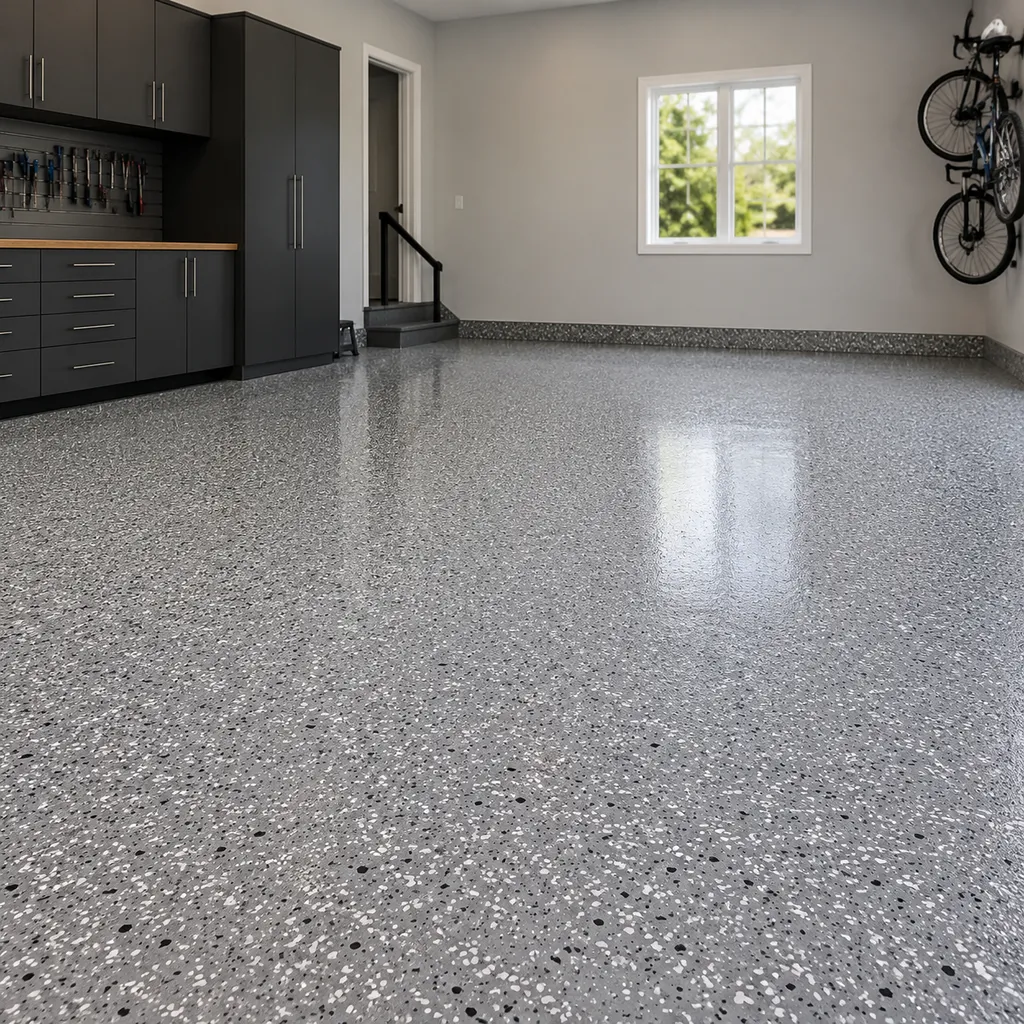
Quick Answer
The best epoxy system for concrete floor applications is a multi-layer coating system featuring a 100% solids epoxy primer and topcoat, often finished with a specialized protective layer. Single-coat retail products lack the structural integrity required for long-term adhesion and wear resistance. Commercial and industrial epoxy flooring environments require a engineered system tailored specifically to chemical exposure, heavy load capacity, and substrate conditions.
What Buyers Need to Know First
Selecting the right concrete floor coating requires evaluating environment-specific performance parameters rather than relying on a single off-the-shelf product.
- Layering Architecture: A durable concrete floor epoxy system relies on a dedicated penetrating primer for concrete bond strength, a thick build coat for impact resistance, and a topcoat designed for environmental exposure.
- Environmental Demands: High foot traffic, thermal shock, chemical exposure, and sunlight exposure dictate whether standard epoxy, aliphatic polyurethane, or polyaspartic topcoats are needed.
- Substrate Preparation: Even the highest-grade factory floor resin will fail without proper mechanical surface profiling (CSP 2–3) and concrete moisture testing prior to application.
- Direct Supply Benefits: Working with a direct wholesale epoxy resin manufacturer ensures consistent batch-to-batch chemical stability, technical support, and scalable supply for commercial projects.
Is any epoxy completely UV-proof?
Direct Answer
No, no epoxy resin system is 100% UV-proof. Standard epoxies are inherently susceptible to ultraviolet radiation, which breaks down polymer chains over time. While advanced formulations use UV stabilizers to delay yellowing, pure epoxy will eventually dis-color, chalk, or lose gloss under sun exposure. To build the best epoxy system for concrete floor installations exposed to natural light, we always pair our base resin with a UV-stable aliphatic polyurethane or polyaspartic topcoat.
Key Selection Factors or Failure Risks
- Chemical Structure: Standard aromatic epoxies absorb UV light, causing ambering and surface micro-cracking. Aliphatic topcoats provide complete color stability.
- Chalking & Gloss Loss: Unprotected sunlight exposure breaks down the surface resin, leaving a fine powdery film on your concrete floor coating.
- Color Distortion: Light pigments shift tone quickly without UV barriers (e.g., light gray turning greenish-yellow).
- Layering Compatibility: Combining a high-adhesion base layer with an UV-resistant top layer secures the ideal epoxy primer and topcoat system for long-term outdoor or window-facing industrial epoxy flooring.
Why does overheating increase discoloration?
Direct Answer
Overheating accelerates thermal oxidation inside the polymer matrix. High temperatures—whether from an unchecked exothermic reaction during mixing or exposure to radiant heat after curing—break down amine hardener bonds and aromatic ring structures. This chemical breakdown causes rapid yellowing and premature aging. When picking the best epoxy system for concrete floor installations, thermal stability directly determines how long your finish retains its original shade under real-world conditions.
Key Selection Factors or Failure Risks
Heat exposure impacts resin performance during application and throughout its service life. Watch for these key factors and risks:
- Exothermic Heat Spikes: Mixing large batches of factory floor resin too quickly traps heat in the bucket, scorching the amine hardeners and starting the yellowing process before the resin even hits the floor.
- Thermal Oxidation: Constant exposure to elevated operational temperatures degrades standard industrial epoxy flooring, causing clear coats to amber and darken prematurely.
- Mass Effect in Layering: Applying a thick epoxy primer and topcoat layer traps curing heat inside the film, accelerating heat-induced discoloration compared to thin, controlled coats.
- Failure Risk: Beyond visual fading, thermal degradation weakens the structural bond of the concrete floor coating, leading to surface brittleness, lost gloss, and reduced impact resistance.
Do pigments hide or worsen yellowing?
Direct Answer
Pigments generally hide yellowing, but pigment selection and color shade determine the outcome. Dark, opaque colors in a concrete floor epoxy system mask the resin’s natural ambering over time. Light shades like white, beige, and light gray do not worsen yellowing chemically, but they make resin discoloration instantly noticeable. However, using low-quality organic pigments can cause pigment fading, compounding UV damage and making the coating look worse faster.
Key Selection Factors or Failure Risks
- Inorganic vs. Organic Pigments: Premium industrial epoxy flooring relies on inorganic pigments like titanium dioxide and iron oxides. They withstand UV exposure without fading and help block sunlight from reaching the binder.
- Color Shade Selection: Darker shades effectively obscure minor resin yellowing, extending the visual lifespan of a standard concrete floor coating.
- Light Color Vulnerability: White and light-colored floors provide no visual mask. For light colors, the best epoxy system for concrete floor applications must include a UV-stable polyurethane or polyaspartic topcoat.
- Insufficient Pigment Density: Low pigment loading fails to block light penetration, leading to faster resin breakdown beneath the surface. Ensure proper pigment loading for maximum hide and protection.
How should yellowing resistance be compared?
Direct Answer
To accurately compare yellowing resistance when selecting the best epoxy system for concrete floor projects, evaluate standardized laboratory test results like ASTM G154 accelerated UV weathering rather than relying on general visual claims. Standard aromatic epoxy resins naturally turn amber under UV exposure, while high-grade aliphatic polyaspartics and UV-stabilized resins maintain clarity over time.
Key Selection Factors or Failure Risks
When evaluating color stability for industrial epoxy flooring or commercial concrete floor coating installations, focus on these critical comparison metrics:
| Selection Metric | Performance Target | Risk / Failure Mode |
|---|---|---|
| QUV Weathering Standard | 500+ test hours with Delta E < 2 | Rapid yellowing within months under sunlight |
| Resin Formulation | Cycloaliphatic or Polyaspartic | Standard aromatic resins turn dark amber |
| Topcoat Protection | Aliphatic epoxy primer and topcoat system | Surface breakdown, chalking, and discoloration |
- Lab Testing Data: Always request certified ASTM G154 or QUV test results on the Technical Data Sheet (TDS) instead of trusting simple visual samples.
- System Design: Pair high-adhesion base layers with a UV-stable clear topcoat to build a complete concrete floor epoxy system that balances strength with visual retention.
- Direct Batch Verification: As an epoxy resin factory direct supplier, we recommend testing sample mixes under your location’s lighting conditions before specifying a heavy-duty factory floor resin for sunlit spaces.
Failing to verify yellowing performance upfront leads to uneven ambering near windows and entryways, ruined aesthetics, and expensive early refinishing.
Can a Topcoat Improve Outdoor Durability in the Best Epoxy System for Concrete Floor?
Direct Answer
Yes. Standard epoxy resins provide exceptional bond strength and impact resistance, but they yellow and chalk under direct UV exposure. We always specify an aliphatic polyurethane or polyaspartic topcoat over the base layer to build the best epoxy system for concrete floor applications exposed to sunlight. Combining a robust base coat with a high-performance UV-blocking topcoat shields the surface from severe weathering, yellowing, and mechanical wear on any industrial epoxy flooring project.
Key Selection Factors or Failure Risks
- Topcoat Chemistry: Always pair an epoxy base with an aliphatic polyurethane or polyaspartic clear topcoat. Standard aromatic epoxies break down rapidly outdoors without UV-resistant chemistry.
- Recoat Window Compliance: Apply the protective topcoat within the strict re-coat window. Waiting too long creates surface gloss that prevents proper chemical bonding, leading to eventual flaking.
- Intercoat Adhesion: Mechanical sanding between layers is non-negotiable if the base concrete floor coating cures completely before topcoating.
- Traffic & Chemical Exposure: Tailor the topcoat thickness to the site conditions. High-traffic driveways or loading docks require heavy-duty clear coats to safeguard the underlying factory floor resin against chemical spills and tire marks.
What Information Should You Send to the Manufacturer?
Getting the best epoxy system for concrete floor applications requires sharing precise technical details upfront. Working directly with a wholesale epoxy resin manufacturer ensures you get an exact formulation matched to your project demands.
Application, Substrate and Process Details
To recommend the right concrete floor epoxy system, we need clear parameters about your job site and installation environment:
- Substrate Condition: Age of the slab, moisture vapor emission rates, surface porosity, and any existing concrete floor coating layers.
- Environmental Exposure: Indoor facility, outdoor exposure, temperature swings, and sunlight levels.
- Traffic Loads: Standard foot traffic versus heavy industrial epoxy flooring subjected to forklift traffic and heavy machinery.
- Application Method: Trowel, squeegee, or roller application, along with your required working time and cure window.
Performance, Packaging and Estimated Quantity
Specifying your exact chemical, aesthetic, and volume requirements ensures accurate pricing and optimal formulation for your factory floor resin:
- System Structure: Single-coat builds versus complete multi-layer systems requiring a targeted epoxy primer and topcoat.
- Chemical & Wear Resistance: Exposure to specific oils, solvents, acids, or harsh cleaning chemicals.
- Branding & Packaging: Custom kit sizes, steel drums, or complete private label epoxy resin solutions.
- Order Volume: Total square footage and projected recurring volume needed to negotiate direct factory rates from a bulk epoxy resin supplier.
How Can Rongwei Support This Project?
As a wholesale epoxy resin manufacturer, we provide factory-direct floor resins tailored to exact project specifications. Whether you are installing heavy-duty industrial epoxy flooring or sourcing high-durability systems for broad distribution, our technical team works directly with your operational requirements.
Sample Matching and Formula Adjustment
No two concrete slabs or climates are identical. We refine chemical formulations to ensure you get the best epoxy system for concrete floor performance in your specific environment:
- Custom Lab Matching: Send us your benchmark sample, and our chemical engineers will match gloss, viscosity, and color profiles.
- Formula Customization: We adjust pot life, cure speed, thermal stability, and yellowing resistance to match local ambient temperatures.
- System Compatibility: We optimize chemical bonds across every layer, ensuring flawless adhesion between your epoxy primer and topcoat.
OEM / Private Label Packaging and Bulk Supply
As an established bulk epoxy resin supplier, we simplify global distribution through complete private label epoxy resin programs and direct factory fulfillment.
| Service Option | Capabilities & Specifications |
|---|---|
| Private Label Packaging | Full custom branding, custom drum artwork, and localized regulatory labeling. |
| Bulk Supply Options | High-volume factory floor resin shipped in 200kg drums, 1000kg IBC totes, or sets. |
| Direct Manufacturing | Pure epoxy resin factory direct sourcing to protect profit margins and guarantee supply consistency. |
Buyer Checklist
Questions to Confirm Before Placing an Order
Before finalizing your order for a concrete floor coating, run through this checklist to ensure you pick the best epoxy system for concrete floor applications:
- Performance Requirements: Does your job site need an industrial epoxy flooring system engineered for heavy forklift traffic, chemical spills, or high impact?
- System Components: Are you securing a complete epoxy primer and topcoat setup to seal substrate moisture and prevent delamination?
- Site Environment: Will the factory floor resin face direct sunlight near bay doors where yellowing resistance and UV stability matter most?
- Application Timelines: What are the local temperature and humidity ranges on site, and can your wholesale epoxy resin manufacturer adjust pot life and cure speeds accordingly?
- Branding & Customization: If you need private label epoxy resin or custom color matching, are those adjustments confirmed prior to full production?
- Supply Chain Stability: Is your bulk epoxy resin supplier providing material directly epoxy resin factory direct with guaranteed batch-to-batch consistency?
