
Slip Resistant Epoxy Floor UV Yellowing Guide
Quick Answer
What Buyers Need to Know First
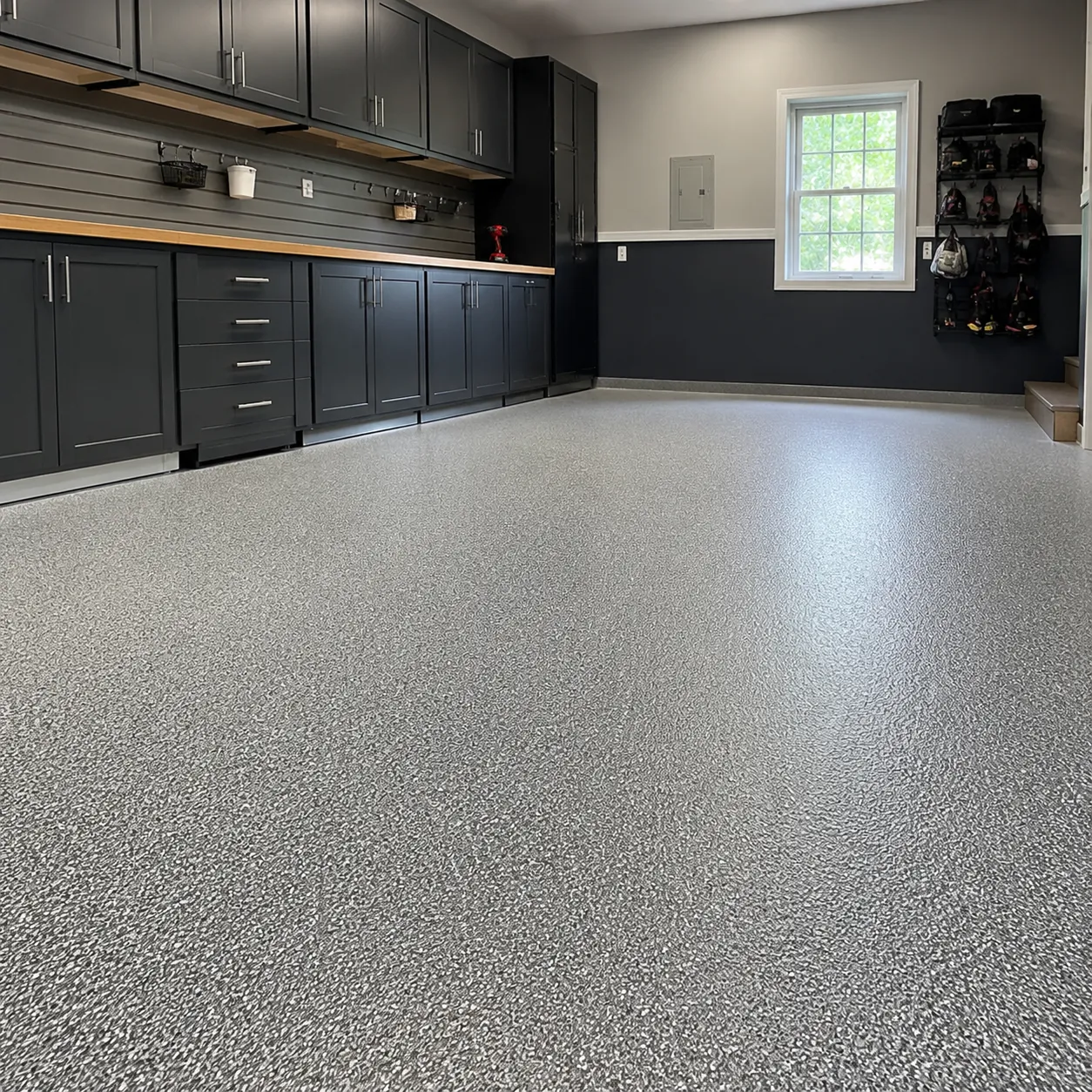
A slip resistant epoxy floor is achieved by incorporating anti-slip aggregates—such as aluminum oxide, quartz, silica sand, or polypropylene granules—into the liquid resin or broadcasting them into the wet base coat. Smooth epoxy surfaces pose severe slip hazards in wet or oily environments. Implementing a specialized anti slip floor coating creates essential surface texture to meet strict industrial floor safety standards while maintaining chemical and mechanical durability.
- Epoxy Aggregate Broadcast: Coarse aggregate is scattered over the wet base coat, creating a rugged, high-traction surface sealed with a clear topcoat.
- Stir-In Additive Technique: Micronized non skid epoxy particles are blended directly into the liquid topcoat before rolling for fine to medium slip resistance.
- Concrete Floor Epoxy System Tailoring: Surface friction levels can be customized from easy-to-clean commercial walkways to heavy-duty anti-slip industrial processing floors.
Is any epoxy completely UV-proof?
Direct Answer
No standard epoxy resin is 100% UV-proof. In our manufacturing experience, sunlight and UV radiation eventually break down polymer chains, causing clear formulas to amber or chalk over time. While we add UV stabilizers to delay yellowing on indoor installations, maintaining a durable slip resistant epoxy floor outdoors or near heavy sunlight requires pairing your concrete floor epoxy system with a UV-resistant polyurethane or polyaspartic topcoat.
Key Selection Factors or Failure Risks
- Discoloration: Sunlight turns standard epoxy resin yellow within months, ruining the clean look of light-colored anti slip floor coating systems.
- Surface Chalking: Continuous solar exposure degrades the resin binder, loosening quartz or aluminum oxide particles in an epoxy aggregate broadcast and reducing traction.
- Loss of Durability: UV breakdown weakens resin bonds, compromising long-term industrial floor safety in outdoor loading docks or sunlit bay doors.
- Protective Topcoats: Applying an aliphatic clear coat over your non skid epoxy locks in aggregate while providing complete UV stability for outdoor environments.
Why does overheating increase discoloration?
Direct Answer
Heat accelerates chemical oxidation inside the polymer matrix. When a slip resistant epoxy floor overheats—whether from an aggressive exothermic reaction during mixing or extreme operational heat—molecular resin bonds break down prematurely. This thermal degradation forces clear or light-tinted coatings to shift yellow or brown rapidly.
Key Selection Factors or Failure Risks
- Exotherm Spike Control: Pouring mixed resin too thick traps heat inside the mass, causing early ambering before the concrete floor epoxy system even fully cures.
- High Operational Temperatures: Standard non skid epoxy formulations deployed near hot machinery or thermal processing lines discolor much faster without high-heat stabilizers.
- Aggregate Masking: Utilizing light-colored quartz in an epoxy aggregate broadcast makes thermal yellowing immediately obvious, whereas neutral aggregate tones obscure minor shade shifts.
- Resin Quality: Lower-tier formulations lack thermal degradation blockers, leading to permanent discoloration and reduced industrial floor safety appeal.
Do pigments hide or worsen yellowing?
Direct Answer
Pigments visually mask resin ambering, but they do not stop chemical UV degradation in a slip resistant epoxy floor. Dark pigments like charcoal, dark gray, and oxide red hide yellowing over time. In contrast, white, light gray, and clear non skid epoxy systems expose yellowing almost immediately. Furthermore, low-grade organic pigments break down under sunlight, causing color shifts that make discoloration look noticeably worse.
Key Selection Factors or Failure Risks
When we formulate and supply any concrete floor epoxy system, we evaluate how pigment chemistry and system design impact long-term UV performance:
- Pigment Quality (Inorganic vs. Organic): Cheap organic pigments fade and chalk quickly under sunlight. We use UV-stable inorganic pigments to ensure the coating maintains its true shade without blotchy discoloration.
- Epoxy Aggregate Broadcast Shielding: A full epoxy aggregate broadcast using quartz or color flakes physically blocks UV rays from reaching the underlying base resin while creating an anti slip floor coating.
- Base Color Selection: Light grays, tans, and whites highlight binder degradation rapidly. Selecting medium to dark base tones masks early-stage resin ambering in sunlit areas.
- Topcoat Dependency: Pigment alone cannot protect standard epoxy binders from chalking or ambering. As a wholesale epoxy resin manufacturer, we recommend locking in color and industrial floor safety by sealing pigmented base coats with a non-yellowing polyaspartic or polyurethane finish.
How should yellowing resistance be compared?
Direct Answer
To compare yellowing resistance accurately, you must look at standardized lab data rather than supplier promises. We recommend evaluating ASTM G154 (QUV accelerated weathering) test reports and checking the Delta E color change rating over 500 to 1,000 hours. A lower Delta E value proves superior color retention, ensuring your slip resistant epoxy floor maintains its original shade even when exposed to ambient sunlight or harsh indoor lighting.
Key Selection Factors or Failure Risks
- Standardized QUV Testing: Always request verified ASTM G154 test results from your wholesale epoxy resin manufacturer to compare color stability across different formulations under identical lab conditions.
- Curing Agent Chemistry: Cycloaliphatic amine hardeners provide significantly better clarity retention than standard aromatic options, making them essential for light-colored non skid epoxy coatings.
- Aggregate Masking Capability: Utilizing an epoxy aggregate broadcast with colored quartz or flake systems helps mask subtle shade shifts, preserving overall visual quality in high-traffic spaces.
- Failure Risk – Relying on Short-Term Clarity: Choosing a product based on how clear it looks right after mixing often leads to unexpected field failures, turning a bright concrete floor epoxy system into an unsightly yellowed surface within months.
- Failure Risk – Ignoring Lighting Conditions: Installing standard epoxy near large windows or dock doors without comparing UV resistance metrics compromises both aesthetic appeal and long-term industrial floor safety markings.
Can a topcoat improve outdoor durability?
Direct Answer
Yes. Applying a UV-resistant clear topcoat—such as aliphatic polyurethane or polyaspartic—over a slip resistant epoxy floor drastically extends its outdoor lifespan. Standard epoxy base coats offer outstanding strength but naturally yellow and chalk under direct sunlight. A high-performance topcoat acts as a durable sunshield while locking down the non-skid texture on your concrete floor epoxy system.
Key Selection Factors or Failure Risks
- UV Stability: Always use UV-stable aliphatic formulations for outdoor topcoats. The base epoxy provides the structural bond, but the topcoat handles weather and sun exposure.
- Texture Preservation: When sealing an anti slip floor coating, topcoat thickness must be exact. Applying it too thick buries your epoxy aggregate broadcast, ruining traction; applying it too thin causes aggregates to dislodge under heavy traffic.
- Adhesion & Recoat Windows: Applying a topcoat outside the specified recoat window creates inter-coat delamination. Proper surface profiling ensures long-term bonding on any non skid epoxy surface.
- Material Sourcing: Partnering with a reliable epoxy resin factory direct supplier or wholesale epoxy resin manufacturer guarantees UV-stabilized systems engineered specifically for high-exposure industrial floor safety applications.
What Information Should You Send to the Manufacturer?
Getting accurate formulations and fast quotes for a slip resistant epoxy floor requires giving us clear job site specs up front. As a wholesale epoxy resin manufacturer, we need specific details to match you with the right anti slip floor coating system.
Application, Substrate and Process Details
To ensure long-term adhesion and proper traction, provide the following site conditions:
- Substrate Type & Condition: Specify if you are working on new or old concrete, along with the mechanical prep planned (e.g., shot-blasting or diamond grinding).
- Operating Environment: Clarify if the area is indoor or outdoor, subjected to frequent washdowns, oil spills, or harsh chemical exposures.
- Installation Method: Outline whether you are using an epoxy aggregate broadcast technique or incorporating a aggregate mix-in.
Performance, Packaging and Estimated Quantity
We tailor formulations and order logistics around your project scope and operational needs:
| Requirement Category | Details Needed |
|---|---|
| Performance Profile | Targeted friction coefficient (COF) for industrial floor safety, heavy vehicle load capacity, and UV exposure level. |
| Packaging Format | Bulk supply (drums or IBC totes) or tailored private label epoxy resin kits. |
| Order Volume | Total square footage or total material weight needed to calculate volume pricing. |
How Can Rongwei Support This Project?
We engineered our production capabilities to help contractors, distributors, and facility managers get the exact slip resistant epoxy floor performance required for demanding commercial environments. As a direct wholesale epoxy resin manufacturer, we deliver tailored formulas and scalable supply straight from our factory floor.
Sample Matching and Formula Adjustment
Every project presents unique traction, chemical exposure, and curing speed demands. We eliminate jobsite guesswork by fine-tuning formulas directly to your exact specifications:
- Custom Texture & Aggregate Integration: We optimize resin viscosity and gel times to work seamlessly with your preferred epoxy aggregate broadcast technique, ensuring maximum grain retention and reliable non-skid performance.
- Lab-Grade Sample Matching: Send us a target sample or job requirement, and our R&D team will match color, hardness, and cure profiles for your anti slip floor coating.
- Substrate Compatibility: We adjust primers and main coats to lock onto specialized surfaces, improving overall industrial floor safety and preventing premature delamination.
OEM / Private Label Packaging and Bulk Supply
As an epoxy resin factory direct supplier, we provide full turn-key manufacturing for brands expanding their product lines or contractors running large-scale installations:
- Private Label Epoxy Resin: Complete custom labeling, branding, and chemical packaging tailored to your company’s specifications.
- Bulk Epoxy Resin Supplier Logistics: Skip intermediary markups with consistent bulk ordering, from standard drum sets to multi-ton drum and tote shipments.
- Reliable Quality Control: Every batch of our concrete floor epoxy system undergoes rigorous lab testing to ensure consistent viscosity, pot life, and final wear resistance.
Slip Resistant Epoxy Floor Buyer Checklist
Questions to Confirm Before Placing an Order
Before finalizing a bulk order or locking in specs for your project, run through this checklist to ensure your concrete floor epoxy system performs as expected under daily operational demands.
- What friction level does your space require? Confirm the target Coefficient of Friction (COF) or pendulum test rating so your anti slip floor coating complies with local industrial floor safety standards.
- Which aggregate type fits your cleaning routine? Determine whether aluminum oxide, silica sand, or quartz aggregate broadcast offers the right balance between heavy traction and easy washing.
- Is the floor exposed to harsh chemicals or temperature swings? Verify that the underlying non skid epoxy formulation can withstand specific chemical spills and thermal shock without cracking or peeling.
- What are your ambient installation conditions? Match your job site’s working temperature and humidity levels with the proper hardener cure speed from your wholesale epoxy resin manufacturer.
- Do you need custom branding or batch sizes? Confirm whether factory-direct bulk epoxy resin supply can be tailored with private label packaging or customized formula tweaks for large-scale distribution.
| Verification Factor | Key Detail to Confirm | Why It Matters |
|---|---|---|
| Traction Rating | COF Target & Aggregate Size | Prevents workplace slips while keeping routine maintenance manageable. |
| Chemical Exposure | Acid, Solvent, or Oil Resistance | Prevents surface degradation and premature coating failure. |
| Logistics & Scale | Bulk Supply & Factory Lead Time | Secures consistent batch coloring and prevents on-site delays. |
Related Sources
- https://rwepoxyresin.com/epoxy-resin-4010ab-surface-batch-coating/
- https://infinitalab.com/services/astm-e313-yellowness-index-testing/
- https://www.jinyupaint.com/epoxy-floor-yellowing-uv-causes-prevention.html
- https://incurelab.com/wp/addressing-epoxy-yellowing-from-uv-exposure
- https://customcrete.net/blog/pros-and-cons-of-polyurethane-topcoat
