
Epoxy Floor System Layers Explained for Buyers
Quick Answer
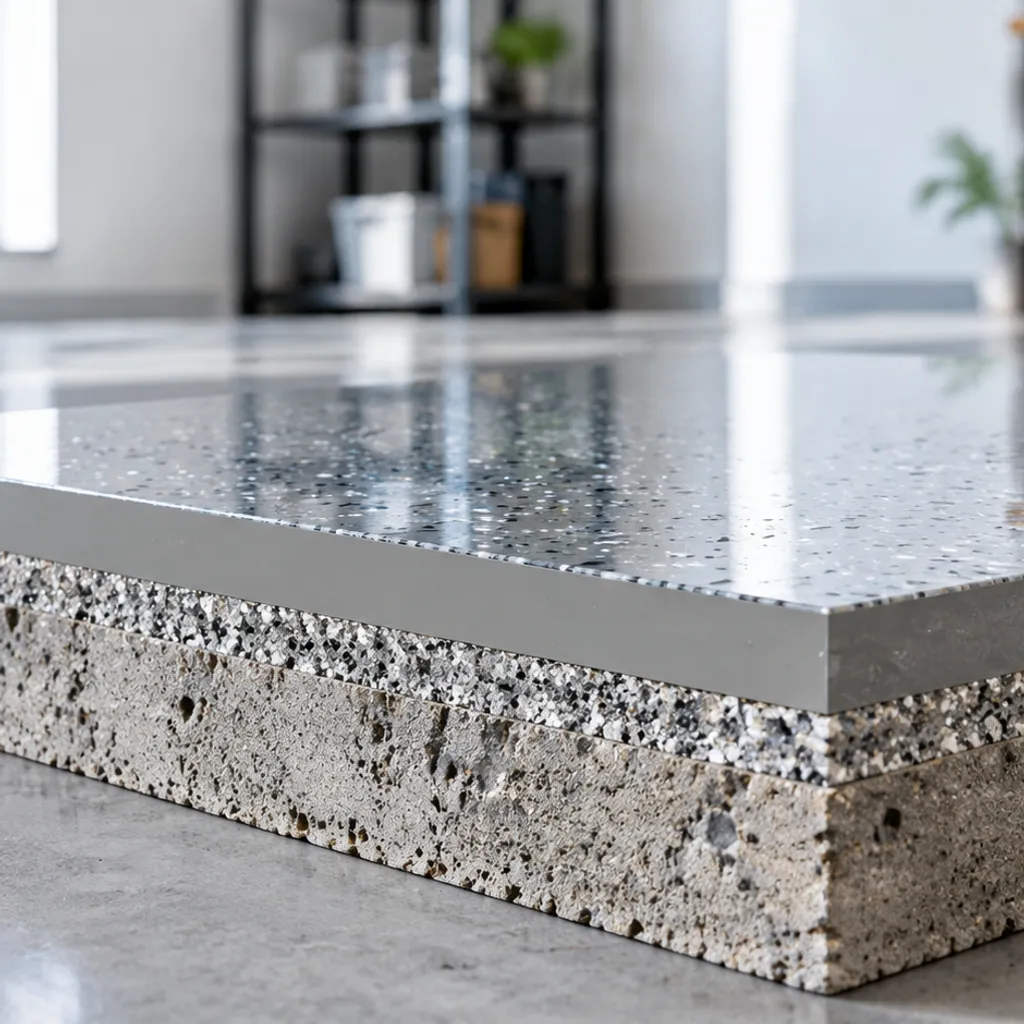
A standard epoxy floor system layers structure is engineered to transform raw concrete into a continuous, high-performance protective surface. Rather than applying a single coat of paint, a multi-layer build-up ensures proper bonding, impact absorption, and long-term durability against heavy traffic and chemical exposure.
A complete industrial-grade epoxy build-up consists of four core stages:
- Primer Coat: Deeply penetrates the prepared concrete surface, seals substrate pores, eliminates outgassing bubbles, and creates a strong mechanical bond.
- Mortar / Base Coat: Builds the structural thickness (DFT), absorbs mechanical shock, levels surface unevenness, and supports aggregate broadcasts.
- Putty / Intermediate Coat: Fills pinholes, micro-cracks, and minor surface defects to create an ultra-smooth foundation.
- Protective Topcoat: Delivers the final defense line, offering direct resistance against abrasion, harsh chemicals, heavy rolling loads, and environmental wear.
Tailoring the number and thickness of these layers ensures the flooring assembly matches the mechanical demands, thermal conditions, and operational environment of your facility.
What Buyers Need to Know First
Before ordering materials or specifying an installation, you must understand that an epoxy floor is not a single coat of paint. It is a bonded, multi-step structural coating. Getting the performance you need comes down to selecting the correct epoxy floor system layers tailored to your facility’s real-world conditions.
Skipping steps or under-specifying layers leads directly to delamination, bubbling, and early floor failure. Here are the core factors we advise every buyer to evaluate before finalizing their epoxy floor build up:
- Substrate Condition and Moisture: A coating system is only as solid as the concrete beneath it. High moisture vapor emission or poor surface profiling (CSP) will blow through standard coatings without a dedicated moisture-mitigating primer.
- Mechanical Load & Traffic: A light garage epoxy flooring project handles passenger tires and foot traffic. An industrial floor system requires intermediate body coats and high-strength mortar layers to withstand steel-wheel forklifts, point loads, and heavy impact.
- Chemical & Thermal Exposure: Determine early on if the surface will encounter battery acid, harsh solvents, hot oil spills, or steam cleaning. Your operational environment dictates resin selection, from custom epoxy formulations to high-performance clear topcoats.
- Total System Thickness: Epoxy durability is measured in mils or millimeters, not just coats. Thin-mil roll-on coats provide dustproofing and basic color, while high-build self-leveling and broadcast systems provide the physical mass required to absorb structural wear.
Matching the specific layout of your resin layers to your operating environment ensures maximum floor lifespan and eliminates costly downtime for repairs.
How a Multi-Layer Epoxy Floor System Works
A professional finish relies on stacked protection. When building out epoxy floor system layers, every tier serves a distinct mechanical purpose. Skipping steps compromises the entire structure, while the proper sequence guarantees high load tolerance, impact absorption, and long-term durability.
Understanding the full epoxy floor build up ensures the final installation withstands heavy industrial traffic, thermal shifts, and daily wear without peeling or cracking.
| Layer Stage | Primary Function | Key Benefit |
|---|---|---|
| Primer Layer | Substrate penetration & sealing | Prevents outgassing and ensures adhesion |
| Mortar / Body Layer | Thickness build & load distribution | Absorbs heavy impacts and levels uneven spots |
| Putty Layer | Micro-pore filling | Creates a completely flat surface |
| Topcoat | Surface sealing & chemical protection | Delivers UV resistance and finish texture |
Primer: Adhesion and Substrate Sealing
The first step in any reliable system is the epoxy floor primer. Concrete is naturally porous, full of air pockets and micro-fissures. Applying a dedicated primer ensures the material sinks deep into the concrete pores rather than just sitting on top.
- Locks the Substrate: It penetrates deep into the prepared concrete to create a powerful mechanical and chemical anchor for the subsequent tiers.
- Seals Concrete Pores: By closing off open capillaries, it stops outgassing, which prevents pinholes, bubbles, and craters from ruining subsequent layers.
- Acts as a Moisture Buffer: It stabilizes minor moisture vapor issues within the slab to prevent future delamination.
- Maximizes Bond Strength: A properly cured primer guarantees that the heavy-duty intermediate coatings stay bonded permanently under high-stress conditions.
Mortar or Intermediate Layer: Build and Strength
When we design a heavy-duty floor, the mortar or intermediate layer does the heavy lifting. In the overall build-up of epoxy floor system layers, this stage creates the structural body, adds essential thickness, and absorbs mechanical stress from equipment, traffic, and impacts.
Without a solid body coat, thin coatings crack under heavy point loads. We blend high-grade base resins with graded aggregates—such as quartz sand—to create a dense, high-strength matrix that levels rough substrates and builds long-term durability.
- Impact Resistance: Absorbs repeated shocks from dropped tools, heavy pallets, and rolling machinery.
- Thickness Build: Establishes the target system thickness quickly and cost-effectively.
- Surface Correction: Fills deeper divots, low spots, and substrate imperfections across uneven concrete.
- Load Distribution: Spreads compressive weight evenly across the prepared concrete foundation.
| Layer Feature | Mortar / Intermediate Stage |
|---|---|
| Primary Function | Structural strength, thickness build, and shock absorption |
| Common Additives | Graded silica sand, quartz, or selected aggregate blends |
| Application Areas | Heavy manufacturing plants, busy warehouses, and traffic aisles |
Putty Layer: Smoothing and Pore Filling
Even after applying an epoxy mortar layer, small pinholes, voids, and aggregate texture remain on the surface. That is where our epoxy putty coat steps in. This stage targets fine imperfections to seal the body layer before any final finish is applied.
We squeegee and scrape the putty formulation directly over the intermediate body to choke off microscopic pores. This process prevents outgassing bubbles from rising into the final coat and ensures a continuous, non-porous foundation.
- Fills Micro-Pores: Penetrates sand texture and tiny voids left by the base coat.
- Eliminates Surface Defects: Stops pinholes, blisters, and cratering in the final seal coat.
- Improves Aesthetics: Creates a smooth, consistent base that makes topcoats look uniform and clean.
- Reduces Topcoat Waste: Keeps premium finish coats from sinking into open pores, optimizing material consumption across the entire project.
Topcoat: Wear, Appearance and Chemical Resistance
The final shield in our epoxy floor system layers is the epoxy topcoat. While the lower layers build bulk and bond strength, the topcoat takes the direct impact of day-to-day operations. As an industrial epoxy resin supplier, we formulate topcoats to act as the primary defense line against environmental, physical, and chemical stress.
A properly applied topcoat delivers essential performance characteristics:
- Abrasion and Wear Resistance: Absorbs continuous friction from foot traffic, heavy equipment, and vehicular movement across an industrial floor system or high-traffic garage epoxy flooring.
- Chemical and Stain Protection: Prevents oils, fuels, industrial solvents, and cleaning chemicals from permeating the underlying resin layers.
- Aesthetic Finish: Locks in color, seals broadcast aggregates, and defines the final sheen—ranging from high-gloss clarity to subtle satin or matte textures.
- Surface Safety: Allows for the incorporation of non-slip additives to meet workplace safety standards without compromising cleanability.
When a Layer Can Be Reduced or Omitted
Not every application requires every single layer of a heavy-duty epoxy floor build up. Depending on slab conditions and target load capacities, we often help clients streamline the system:
- Pristine Concrete Substrates: If the concrete slab is level, dense, and shot-blasted cleanly, you can often omit the leveling putty layer and move straight from the primer to the body coat or topcoat.
- Light-Foot-Traffic Areas: Residential settings or light-duty storage spaces rarely need an intermediate mortar layer; a primer paired directly with a high-build topcoat provides sufficient protection.
- Solid-Color Utility Builds: Decorative flake or quartz broadcast layers can be skipped entirely when the goal is pure utility, saving both material costs and turnaround time.
The two non-negotiables are always the primer and the topcoat—sealing the substrate and protecting the surface remain critical to preventing delamination and early failure.
What Information Should You Send to RW ATELIER?
To help us configure the right epoxy floor system layers for your facility, we need a clear breakdown of your operational environment and substrate conditions. Providing accurate site details upfront ensures we specify the exact resin build-up, primer, and protective topcoat required for lasting durability.
When you reach out, share the following project parameters:
- Substrate Condition: The age, porosity, and mechanical state of your concrete, including any past coatings, visible cracking, or moisture transmission issues.
- Total Surface Area: The exact square footage or square meters so we can calculate the material volume needed for each layer of the system.
- Traffic and Mechanical Load: The everyday stresses the floor will handle, ranging from light foot traffic to continuous forklift paths and heavy machinery loads.
- Chemical and Thermal Exposure: Any regular contact with industrial chemicals, solvents, extreme temperature shifts, or direct sunlight.
- Performance and Finish Requirements: Specific demands such as slip resistance, impact resistance, hygiene standards, or specific color and gloss levels.
Sharing these details allows our team to map out the correct layer thickness, aggregate needs, and resin formulations for a dependable, high-performance finish.
How Can RW ATELIER Support This Project?
Building the right epoxy floor system layers requires matched materials and dependable technical data. We work directly with contractors, project managers, and facility owners to ensure every layer performs as intended.
Here is how we support your installation:
- System Formulation Matching: We help specify the exact sequence of epoxy floor system layers—from penetrative primers to wear-resistant topcoats—calibrated to your facility’s traffic, chemical exposure, and thermal conditions.
- Custom Formulations: When standard systems do not meet performance criteria, we provide custom epoxy formulation options engineered for specialized curing rates, viscosity, and chemical resistance.
- Factory-Direct Supply: As an industrial epoxy resin supplier, we provide bulk supply directly from the factory, ensuring batch-to-batch consistency and reliable lead times for large-scale floor build-ups.
- Technical Compliance: Every batch is backed by comprehensive Technical Data Sheets (TDS) and Safety Data Sheets (SDS) to keep your project fully aligned with site specifications and regulatory requirements.
