Epoxy Moisture Application Guide Uses Benefits and Tips
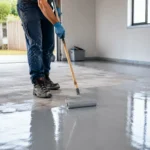
Ever tried applying epoxy only to have moisture ruin the entire cure, leaving you with a cloudy, peeling mess?
As an industrial flooring contractor, I’ve seen countless projects fail because someone ignored the hidden dampness in the concrete. When it comes to epoxy moisture application, you aren’t just painting a floor—you’re managing a chemical reaction. If you want to avoid costly bubbles and delamination, you need to understand the strict moisture limits, the common application issues, and the exact testing specifications required to get the job done right.
Let’s dive into the blueprint for a flawless, moisture-resistant finish.
The Problem: Excess Substrate Moisture
Applying epoxy over damp concrete or high-humidity surfaces is a recipe for coating failure. When subfloor moisture vapor rises, it becomes trapped beneath the non-porous epoxy layer. This leads to osmotic blistering, delamination, and severe bubbling. For international industrial projects, unmanaged moisture means costly downtime, ruined aesthetics, and compromised structural integrity.
The Limits: Strict Application Boundaries
To guarantee a flawless bond, environmental and substrate conditions must remain within tight technical limits.
- Substrate Moisture Content: Must not exceed 4% when tested with a concrete moisture meter.
- Relative Humidity (RH): Standard internal concrete RH must be below 75% via in-situ probe testing.
- Humidity Limit 85%: The ambient relative humidity during application must stay below this critical threshold to prevent blushing or improper curing.
- Dew Point: The surface temperature must be at least 3°C (5°F) above the dew point to avoid microscopic condensation.
The Specifications: Correct Application Protocol
Achieving a durable finish requires absolute compliance with global industrial standards. Our commercial-grade moisture vapor barriers are engineered specifically to mitigate these risks.
- Surface Preparation: Shot-blast or diamond-grind the concrete to an ICRI Concrete Surface Profile (CSP) of 3 to 5. Clean away all dust, oil, and laitance.
- Moisture Testing: Conduct ASTM F2170 (in-situ probes) or ASTM F1869 (calcium chloride) tests before mixing any product.
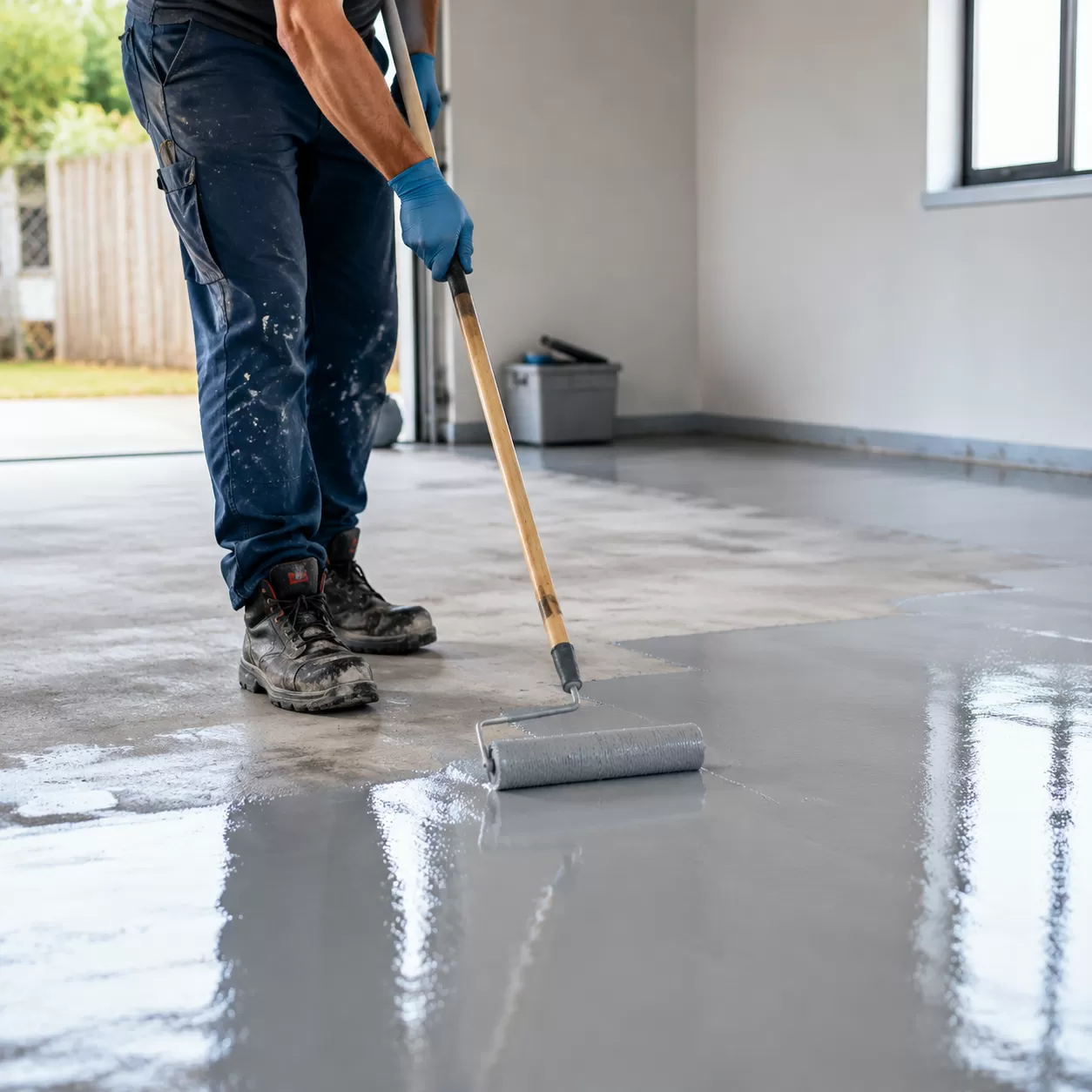
- Primer Application: Apply a dedicated moisture-tolerant epoxy primer. This deep-penetrating layer seals the pores and withstands high hydrostatic pressure.
- Environmental Monitoring: Continuously track ambient temperature, surface temperature, and humidity limits to maintain the ideal curing window.