
Polyurea Waterproof Coating for Construction Epoxy Materials
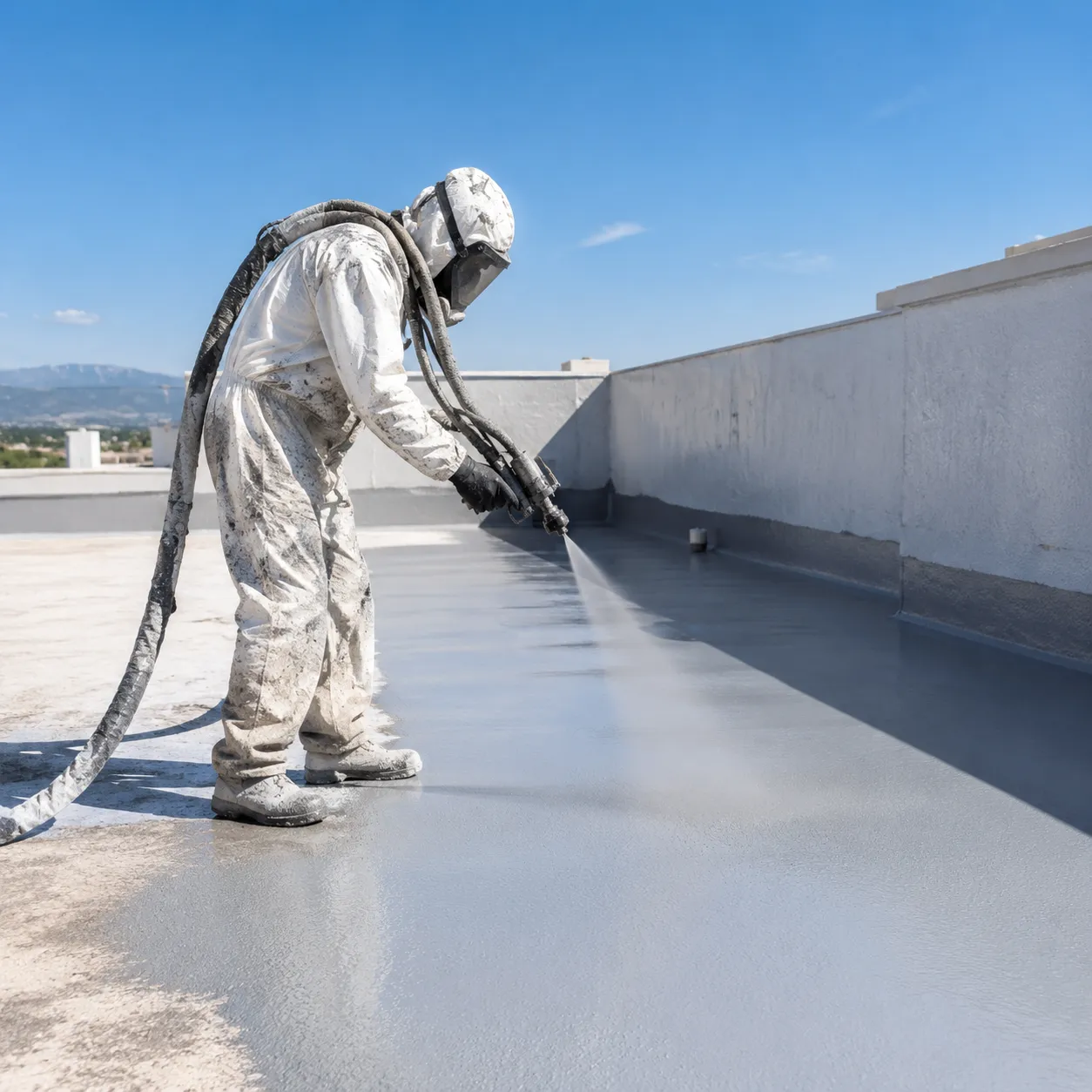
Are you struggling to find a polyurea waterproof coating that seamlessly integrates with your construction epoxy materials while delivering ultimate durability and crystal-clear appearance?
Dealing with application failures like bubbles, yellowing, or soft curing can lead to costly rework and damaged reputations. As a specialist in protective coatings, I know that choosing the right formulation isn’t just about technical specs—it’s about delivering flawless, long-lasting performance on every job.
In this complete guide, you’ll discover the main application scenarios, key performance requirements, and exact steps to select the perfect polyurea waterproof coating. You’ll also learn how to optimize your mixing ratio and curing conditions, troubleshoot surface defects, and leverage RW Atelier custom manufacturing support for tailor-made formula adjustments, private label packaging, and reliable bulk supply.
Let’s dive right in!
What Is polyurea waterproof coating Used for in Construction Epoxy Materials?
A polyurea waterproof coating serves as a high-performance protective layer when integrated into construction epoxy material systems. By combining the structural strength and priming capabilities of epoxy resins with the elastomeric toughness of polyurea, this hybrid approach delivers long-lasting protection against water ingress, structural movement, and chemical exposure.
Main application scenarios
- Industrial & Commercial Flooring: Functions as a durable topcoat over epoxy slurry bases, providing superior impact resistance in high-traffic warehouses and manufacturing plants.
- Bridge Decks & Parking Structures: Protects underlying concrete and epoxy repair mortars from deicing salts, vehicular abrasion, and continuous dynamic loads.
- Roofing & Balcony Waterproofing: Creates a seamless, crack-bridging membrane over structural concrete slabs and pre-applied epoxy primers.
- Secondary Containment & Bunds: Forms an impermeable barrier in chemical storage areas, preventing hazardous leaks from penetrating concrete substrates.
Required material properties
- Extreme Flexibility & Elongation: Accommodates structural shifting and thermal expansion without cracking or peeling.
- Rapid Return-to-Service: Acts as a fast curing coating that sets in minutes, drastically reducing job-site downtime compared to traditional polyurethane systems.
- High Tensile & Tear Strength: Resists punctures, mechanical wear, and heavy wheel traffic under demanding environmental conditions.
- Seamless Adhesion: Bonds tightly with epoxy primers, concrete, and steel to eliminate risk of moisture migration between layers.
Common user expectations
- Reliable Moisture Defense: Contractors expect zero water permeability and total protection against hydrostatic pressure.
- Consistent Cure Performance: Formulations must cure reliably without pinholes, bubbling, or curing failure, even under challenging atmospheric humidity levels.
- Low Maintenance & Long Lifespan: End-users demand decades of service life with minimal repair overhead.
- Tailored Formulations: Direct collaboration with a custom epoxy resin manufacturer to adjust working time, viscosity, and color matching for specific project requirements.
Performance Requirements for Construction Epoxy Materials
As a custom epoxy resin manufacturer, we engineer our base materials to meet tough jobsite standards. When you combine high-performance epoxies with a polyurea waterproof coating, the system must deliver seamless protection, clean visuals, and long-term structural integrity.
Clarity, gloss, and appearance
Visual appeal matters just as much as physical strength in commercial and industrial spaces. The top surface needs to look clean and stay that way under heavy use.
- High Clarity: Crystal-clear formulas stop cloudiness over decorative concrete or color coats.
- Reflective Gloss: Delivers a deep, glass-like shine that brightens up indoor spaces.
- Color Stability: Fights off yellowing caused by indirect UV exposure and indoor lighting.
Adhesion and durability
Strong mechanical bonding prevents coating separation. When paired with a fast curing coating on top, the underlying epoxy layer must lock down tightly to concrete, steel, or tile.
| Performance Metric | Key Benefit |
|---|---|
| Substrate Adhesion | Prevents peeling, bubbling, and edge lifting under stress |
| Impact Resistance | Absorbs heavy drop impacts without chipping or cracking |
| Wear Resistance | Holds up against constant forklift and heavy foot traffic |
Temperature, moisture, and chemical resistance
Jobsite environments are rarely gentle. Construction epoxy systems must handle harsh ambient conditions during application and long-term exposure after cure.
- Moisture Protection: Works alongside your polyurea waterproof coating layer to block moisture vapor transmission and eliminate moisture-related adhesion loss.
- Chemical Shield: Resists motor oil, industrial solvents, mild acids, and harsh cleaning agents without softening.
- Thermal Stability: Withstands rapid heat changes and freeze-thaw cycles without cracking.
- Reliable Curing: Balanced reactive formulas prevent curing failure even when humidity fluctuates during application.
How to Select the Right polyurea waterproof coating
Choosing the right polyurea waterproof coating comes down to your project demands, ambient conditions, and required cure speeds. Partnering with an experienced custom epoxy resin manufacturer ensures your formula performs reliably on site.
Recommended formula type
| Formula Type | Primary Application | Key Advantage |
|---|---|---|
| Pure Polyurea | Industrial decks, water containment, high-moisture zones | Maximum elasticity, instant gel time |
| Polyaspartic Polyurea | Exposed topside floors, high-traffic commercial spaces | UV stability, longer working time |
| Hybrid Polyurea | General concrete waterproofing, secondary containment | Balanced cost, high impact resistance |
For projects requiring rapid turnover, a specialized fast curing coating minimizes labor delays and gets floors back in service within hours.
Mixing ratio and curing conditions
Proper application settings prevent batch contamination and complete curing failure:
- Mix Ratio: Standard formulas use a strict 1:1 by volume mix ratio. Use calibrated plural-component equipment for consistent curing.
- Temperature Range: Best applied between 50°F and 90°F (10°C to 32°C). Extreme cold slows reaction times, while high heat speeds up gel time.
- Humidity Tolerance: Polyurea handles moderate moisture during application, but substrate moisture should remain under 4% for peak adhesion.
Packaging and bulk order options
We provide tailored packaging configurations to suit various project scales and OEM requirements:
- Pail Sets (5-Gallon): Easy handling for smaller projects and touch-up applications.
- Drum Kits (55-Gallon): The standard choice for high-volume spray equipment.
- Bulk Totes (275-Gallon): High-capacity supply for large industrial production lines.
- Custom Private Labeling: Full OEM branding, custom drum colors, and localized safety labeling available for international distributors.
Common Problems and Solutions
Working with high-performance protective coatings isn’t always smooth sailing. Over years of operating as a custom epoxy resin manufacturer, we have helped contractors and industrial applicators troubleshoot nearly every job site issue. Here is how to handle the most frequent coating defects effectively.
Bubbles, yellowing, or soft curing
Most application defects trace directly back to environmental conditions or off-ratio mixing. Here is how to prevent these major issues:
- Trapped Bubbles: High-speed mechanical mixing entraps air, or porous substrates outgas into the coating. Solution: Mix at lower speeds, use deaeration additives, and seal raw concrete with a suitable primer before applying your polyurea waterproof coating.
- Yellowing & Discoloration: Standard aromatic systems degrade under direct UV rays. Solution: Formulate with UV stabilizers or apply an aliphatic polyurea waterproof coating topcoat for long-term color stability.
- Soft Curing or Curing Failure: Inaccurate mix ratios, unmixed material left on bucket sidewalls, or ambient temperatures below cure thresholds stop full cross-linking. Solution: Measure strictly by weight, scrape container walls thoroughly during mixing, and ensure ambient temps stay within specs to prevent total curing failure.
Surface defects and poor leveling
Pinholes, cratering, and uneven surfaces ruin visual appeal and weaken long-term protection. Use this matrix to identify and fix surface defects quickly:
| Surface Defect | Root Cause | Practical Solution |
|---|---|---|
| Fish Eyes / Craters | Oil, grease, or silicone contamination on the substrate. | Mechanically grind the surface and perform a solvent wipe before application. |
| Orange Peel Texture | Coating applied too thick, or ambient temperature dropped too fast. | Maintain recommended thickness and adjust viscosity with flow control additives. |
| Pinholes / Outgassing | Air escaping from unsealed concrete pores through a fast curing coating. | Apply a low-viscosity penetrative primer before applying the main protective coat. |
How to test before mass production
Before committing to large-scale job sites or bulk orders, testing on a small scale protects your budget and project timeline. We recommend following this straightforward 4-step validation process:
- Gel Time & Working Window: Mix a 100g sample in local job site conditions to confirm actual working time and cure speed.
- Substrate Adhesion Check: Coat a test panel of your actual target substrate (concrete, metal, wood) and perform a pull-off adhesion test after 24 hours.
- Environmental Stress Test: Cure sample panels inside high-humidity or low-temperature chambers to replicate harsh application environments.
- Chemical Exposure Test: Immerse fully cured sample panels in target liquids (water, mild acids, industrial solvents) for 48 hours to confirm chemical resistance limits.
RW Atelier Custom Manufacturing Support
As a dedicated custom epoxy resin manufacturer, we build tailor-made polyurea waterproof coating systems engineered for your specific job-site demands. We partner directly with contractors, distributors, and brand owners worldwide to transform custom technical requirements into high-performing commercial products.
