Industrial Coating Safety Guidelines for Safe Operation Requ
Industrial coatings do an incredible job protecting equipment, but handling them without the right guardrails? That’s a fast track to severe health hazards, chemical fires, and costly compliance fines.
Whether you are managing a busy factory floor or stepping into the spray booth yourself, knowing the exact industrial coating safety (工业涂层安全规范) protocols isn’t just about ticking a box—it’s about survival and precision.
So, what does it actually take to run a flawless, accident-free operation?
I’ve broken down the essential requirements (要求) and critical operations (操作) you need to implement right now to keep your team safe and your finishes flawless.
Let’s dive right in.
Industrial Coating Safety
Operational Protocols
Implementing strict industrial coating safety measures during application is vital to mitigate health risks and workplace hazards. Prior to starting any project, operators must review the specific SDS (Safety Data Sheet) for every chemical, solvent, and coating material used.
- Ventilation Control: Always operate in well-ventilated areas or use dedicated exhaust systems to prevent the buildup of toxic vapors and flammable gases.
- Equipment Inspection: Check spray guns, hoses, and pressure valves daily to prevent high-pressure injection injuries and equipment failure.
- Static Grounding: Ensure all spray equipment and containers are properly grounded to eliminate static sparks in volatile environments.
Safety Requirements
Compliance with international safety standards protects personnel and maintains operational efficiency on the shop floor.
| Safety Domain | Mandatory Compliance Requirement |
|---|---|
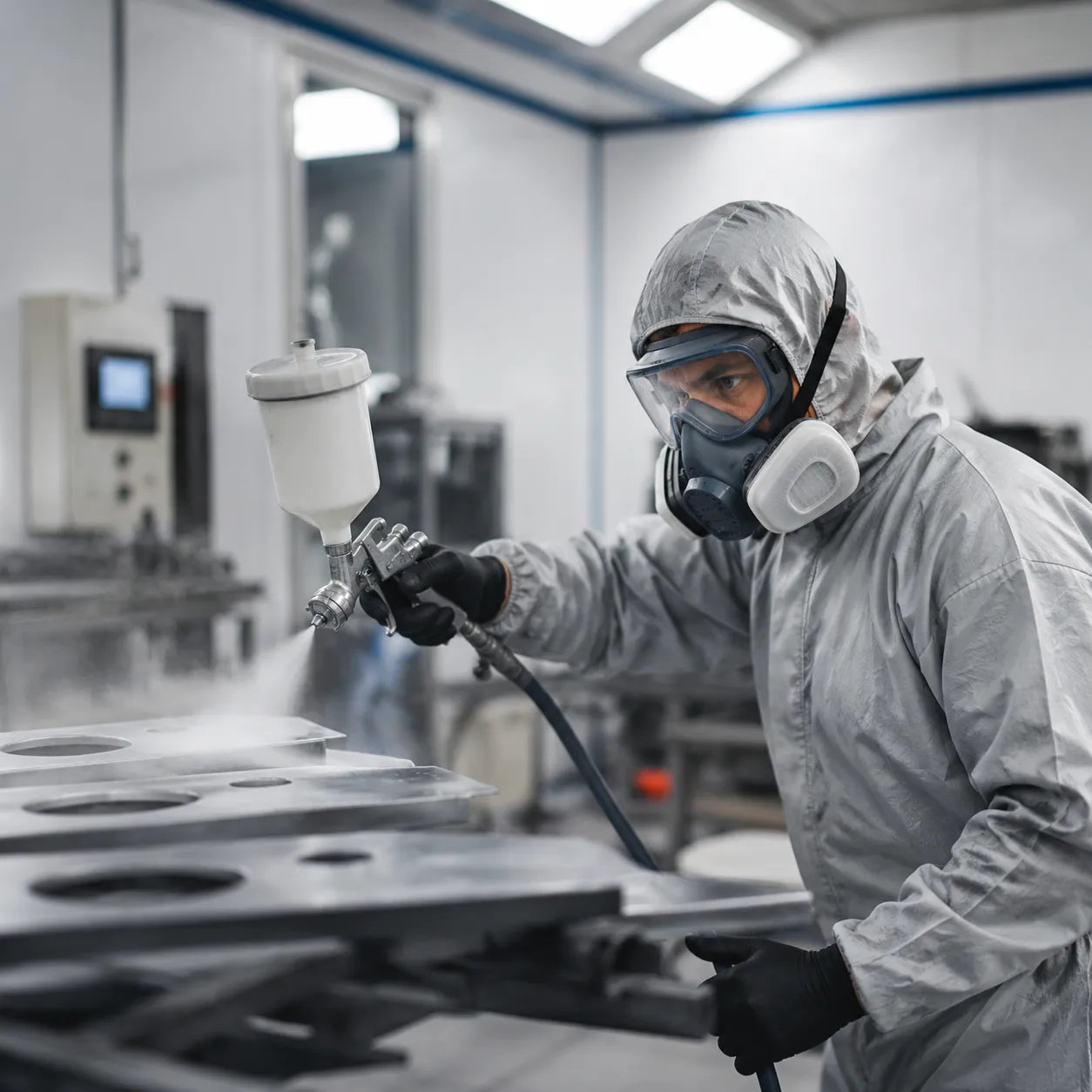
| Personal Protection | Full-body PPE, including chemical-resistant gloves, coveralls, and respiratory protection (supplied-air or air-purifying respirators depending on toxic load). |
| Storage & Disposal | Store all coatings in fire-rated cabinets. Dispose of hazardous waste and contaminated rags in accordance with environmental regulations. |
| Emergency Preparedness | Maintain unobstructed access to eyewash stations, safety showers, and Class ABC/CO2 fire extinguishers in the immediate work zone. |
