
How VOC Affects Epoxy VOC Coating and Green Materials
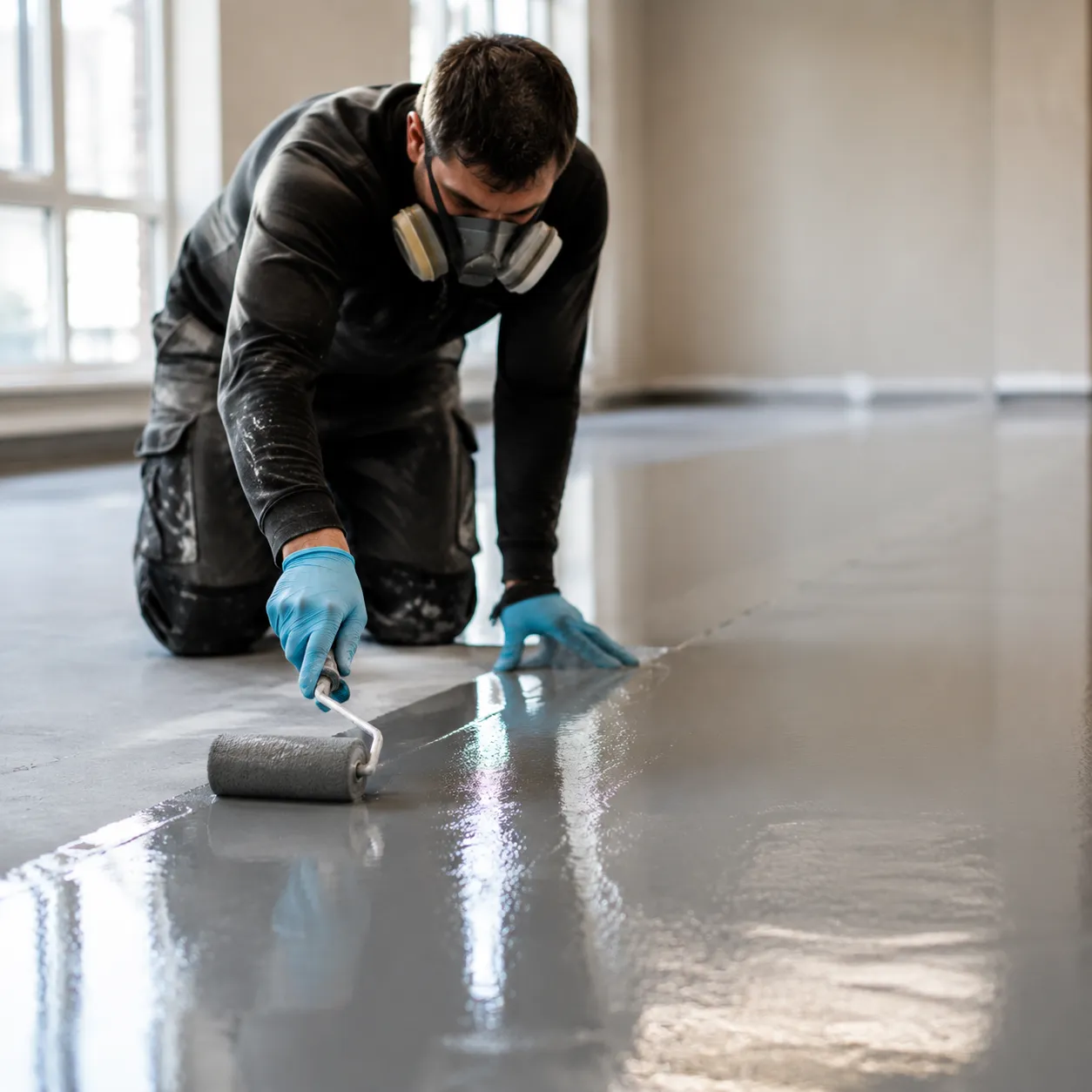
Are you finding it tough to balance high performance with strict compliance in your coating formulations? Selecting the right materials without compromising on quality is a massive hurdle for manufacturers today.
As an industry insider, I know that navigating the shift toward sustainability isn’t just about following regulations—it’s about survival. The VOC impact on epoxy coatings is reshaping the entire market, forcing a massive pivot toward eco-friendly solutions that still deliver rock-solid durability.
Whether you are trying to cut emissions, upgrade your formulations, or source advanced materials that meet 2026 standards, you are in the right place.
Let’s dive straight into how you can slash VOCs while keeping your epoxy performance razor-sharp.
Understanding VOCs in Epoxy Coatings
Volatile Organic Compounds (VOCs) are carbon-based chemicals that evaporate easily at room temperature. In traditional solvent-borne formulations, these compounds act as carriers to help the resin flow, level, and cure effectively. However, during application and curing, these solvents release into the atmosphere, creating significant environmental and health concerns.
For industrial and commercial projects, the presence of high VOC levels impacts both performance metrics and regulatory compliance.
How VOCs Affect Epoxy Performance
While solvents traditionally aided in application, high-VOC coatings present several distinct disadvantages compared to modern low-VOC or 100% solids alternatives:
- Shrinkage and Film Thickness: As VOCs evaporate during the curing process, the applied film loses volume. A high-VOC coating results in a thinner dry film thickness (DFT) compared to the wet film thickness (WFT).
- Porosity and Pinholes: Rapid solvent evaporation can trap microscopic air bubbles within the curing matrix. This leads to pinholes, cratering, and compromised structural integrity.
- Adhesion and Durability: Excessive solvent retention can weaken the polymer cross-linking network, reducing the overall impact resistance and chemical durability of the finished floor or lining.
| Feature | High-VOC Solvent Coatings | Low/Zero VOC Epoxy Coatings |
|---|---|---|
| Volume Solids | Typically 40% – 60% | 90% – 100% (Solids by volume) |
| Shrinkage Rate | High (Significant volume loss) | Minimal to zero shrinkage |
| Odour Level | Strong, hazardous fumes | Low to negligible odour |
| Application Layer | Requires multiple thin coats | Can be applied in thick, single layers |
Managing the balance between formulation workability and emissions is critical. Transitioning to an advanced epoxy VOC coating ensures high-performance surface protection without compromising structural integrity or environmental safety.
Eco-Friendly Shifts: Why Low-VOC Epoxy Coating Matters
Going green isn’t just a trend anymore; it’s a core requirement for modern surface solutions. As global regulations tighten, the demand for sustainable, eco-friendly infrastructure has skyrocketed. Traditional coatings often rely heavily on harsh solvents, but the shift toward a low-VOC epoxy coating is changing the game for global commercial and industrial projects.
Protecting the environment means rethinking the chemicals we release into the air. Our focus is on delivering high-performance surface protection that aligns with global green building standards.
Prioritizing Environmental Safety
Choosing the right materials has a direct impact on both planet health and indoor air quality. By engineered reduction of hazardous emissions, modern coatings provide a safer application process and a healthier end-use environment.
- Carbon Footprint Reduction: Transitioning to sustainable formulations lowers overall chemical waste during manufacturing and application.
- Regulatory Compliance: Meeting international environmental standards ensures smooth project approvals across global markets.
- Long-Term Sustainability: Utilizing eco-conscious materials means fewer reapplications, preserving resources over time.
| Environmental Focus | Impact of Low-VOC Epoxy |
|---|---|
| Air Quality | Drastically reduces harmful chemical emissions during curing. |
| Safety Compliance | Aligns with strict international eco-labels and green certifications. |
| Durability | Maintains heavy-duty protection without compromising environmental safety. |
Investing in eco-friendly epoxy coatings means choosing top-tier performance without sacrificing environmental responsibility. We ensure every project meets the highest standards for a cleaner, safer tomorrow.
Choosing the Right Low-VOC Epoxy Coating Materials
When formulating or selecting a reliable epoxy VOC coating, the raw materials make all the difference. Traditional epoxies often rely on heavy solvents to achieve the right viscosity and application flow. However, meeting strict environmental safety standards requires a shift toward advanced, low-VOC or solvent-free material alternatives.
[Image of epoxy coating chemical structure]
Key Material Alternatives for Low-VOC Performance
- Waterborne Epoxy Resins: These systems replace volatile organic solvents with water. They deliver excellent adhesion and lower emissions without sacrificing the durability expected from industrial coatings.
- Reactive Diluents: Instead of evaporating into the atmosphere as harmful emissions, reactive diluents chemically bond into the cured epoxy matrix. This reduces viscosity while keeping the VOC count near zero.
- High-Solids Formulations: By maximizing the volume of solid resin and minimizing solvent content, these materials ensure that what you apply stays on the substrate rather than evaporating into the air.
Material Selection Matrix
| Material Type | VOC Level | Primary Benefit | Common Application |
|---|---|---|---|
| Waterborne Epoxy | Ultra-Low | Easy cleanup, low odor | Commercial flooring, indoor walls |
| High-Solids Epoxy | Low to Medium | Thick build, high durability | Industrial floors, heavy-duty marine |
| 100% Solids Epoxy | Zero VOC | Maximum chemical resistance | Seamless garage floors, containment tanks |
Selecting the right base resins and additives ensures that your epoxy VOC coating complies with regional eco-regulations while maintaining top-tier mechanical strength, chemical resistance, and long-term surface protection.
