
Prepreg Tack and Drape Explained for Better Layup
Quick Answer
Prepreg tack and drape are critical handling characteristics that determine how easily composite materials adhere to tooling and conform to complex geometries. Prepreg tack defines the surface stickiness essential for holding plies in place during manual or automated layup, while prepreg drape describes the material’s ability to bend, stretch, and conform tightly to sharp contours without wrinkling or bridging. Managing temperature, storage conditions, and out-time ensures optimal processing performance for industrial composite manufacturing.
What Buyers Need to Know First
When you are sourcing materials for composite manufacturing, understanding prepreg tack and drape is essential for getting consistent results on the shop floor. Material handling, storage conditions, and processing parameters directly impact how a prepreg performs during composite layup tack and prepreg layup operations.
Buyers evaluating prepreg samples need to balance several operational factors:
Storage and Out-Time: Monitoring how long materials spend outside freezers to preserve working characteristics.
Resin Rheology: Ensuring the resin system flows correctly during cure cycles without compromising structural integrity.
Conformability: Matching the fabric architecture and resin content to your specific mold geometry.
Getting these variables right prevents common manufacturing defects like dry spots, bridging, and excessive void content. Whether you are working with standard industrial applications or specialized formulations, knowing your material parameters ahead of time saves production hours.
What Tack Means in Prepreg
When looking at composite materials, prepreg tack is essentially the stickiness of the material. It determines how well layers stick to each other and to the mold during the layup process. Good prepreg tack makes positioning layers much easier, preventing shifting before the curing phase. If the tack is too low, the plies might lift up, creating gaps or wrinkles. If it is too high, repositioning a misplaced layer becomes nearly impossible without damaging the fibers. Managing this property properly keeps production lines moving smoothly.
What Drape Means in Prepreg
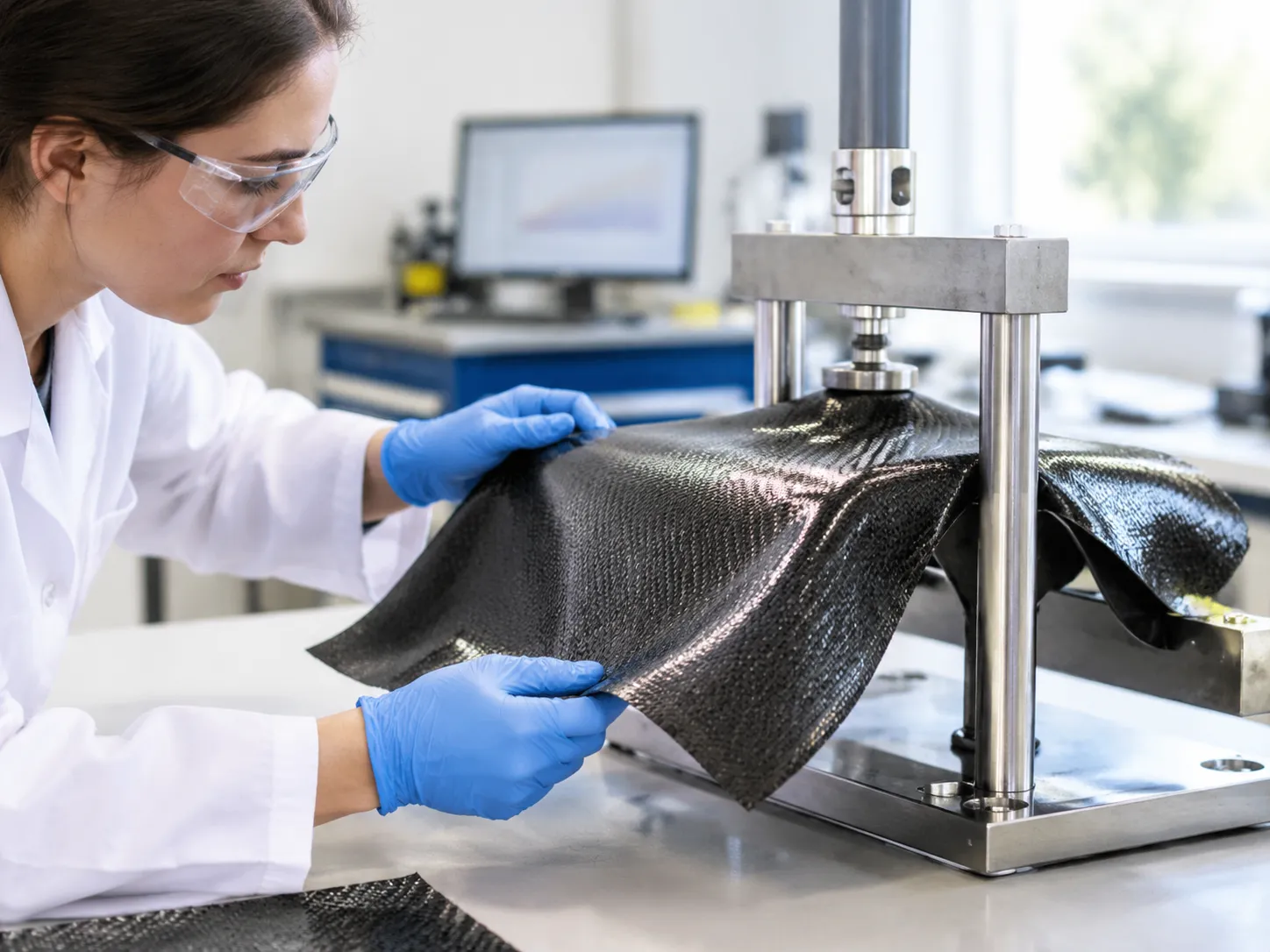
Prepreg drape refers to how easily the material can bend and conform to complex shapes and tight angles without wrinkling or tearing. Good drape allows the prepreg to drape smoothly over difficult molds, which is critical for making parts with sharp contours. Without proper drape, bridging can occur across corners, creating weak spots in the final composite structure. Balancing both tack and drape ensures that handling composite materials remains efficient and reliable across different manufacturing setups.
How Temperature Changes Tack and Drape
Temperature dictates how your material behaves on the shop floor. Because the matrix reacts directly to ambient warmth, dialing in the correct prepreg temperature is essential to balance prepreg tack and drape.
- Cold Storage Conditions: Below standard room temperature, the resin stays rigid. The material will feel dry, stiff, and prone to splintering or cracking during cutting.
- Ambient Working Window: At standard cleanroom temperatures (around 18°C to 22°C), the resin reaches its target viscosity. This window delivers predictable composite layup tack and sufficient pliability without making the sheets overly sticky.
- Excessive Heat Exposure: As the workshop temperature climbs, the resin softens too fast. The material turns overly aggressive, trapping air pockets during repositioning and reducing overall work life through premature staging.
As an industrial epoxy resin supplier, we engineer our matrix systems to deliver stable handling characteristics across defined processing windows. When working conditions fall outside normal shop temperatures, a custom epoxy formulation helps preserve the required tack levels without sacrificing cure cycles.
| Temperature Range | Tack Level | Drape Behavior | Handling Impact |
|---|---|---|---|
| Below 15°C (Cold) | Very Low | Stiff / Boardy | High risk of bridging; difficult to form tight radii |
| 18°C – 22°C (Optimal) | Balanced | Flexible / Smooth | Easy repositioning and steady compaction |
| Above 26°C (Hot) | High / Aggressive | Soft / Gummy | Resin transfer to gloves, difficult backing release |
Layup on Flat vs Complex Geometry
Tooling shapes determine the exact balance of physical properties you need during prepreg handling. A single matrix formulation does not perform identically across flat panels and contoured tooling.
- Flat Panel Layups: Flat structures require lower tack and moderate conformability. Fast placement, easy backing film removal, and smooth air release are the priorities. High stickiness on large, flat surfaces often causes unwanted wrinkling and trapped air.
- Complex Geometry and Tight Radii: A complex mold prepreg setup requires high conformability and dependable adhesion. The material must bend into deep contours, maintain position on vertical walls, and resist springback at tight corners during debulking.
Selecting the right prepreg means matching the resin’s mechanical flexibility and initial grab to the specific contours of your mold.
Common Handling Problems
How Buyers Can Compare Prepreg Samples
When working with composite materials, getting the right prepreg tack and drape is essential for a smooth manufacturing process. Common handling issues usually stem from improper material storage, incorrect shop temperatures, or aging out-time. If the material loses its surface stickiness, plies will fail to adhere properly during composite layup, leading to bridging over corners and potential void formation during the cure cycle. Conversely, if the resin system becomes overly tacky, it traps air and makes repositioning plies on complex molds extremely difficult.
Evaluating different material options requires a consistent testing approach. When buyers compare prepreg samples, they should focus on a few practical criteria to ensure the material fits their specific production workflow:
- Surface Stickiness Test: Press a gloved thumb against the material to check if it holds position without leaving excessive residue.
- Conformability Check: Drape a sample over a tight radius or test mold to see how well it shapes without wrinkling or tearing.
- Out-Time Stability: Track how the prepreg handling behavior changes after sitting at room temperature for a standard shift.
- Ply Adhesion: Verify that stacked layers bond securely to one another under light hand pressure during complex mold prepreg procedures.
What Information Should You Send to RW ATELIER?
When you reach out to RW ATELIER to discuss prepreg tack and drape requirements for your composite manufacturing projects, sharing precise project parameters ensures a streamlined development and supply process. Providing detailed specifications allows our team to match resin systems, fiber architectures, and handling characteristics precisely to your application.
- Target application and end-use performance requirements
- Preferred fiber type, weave style, and areal weight
- Specific handling preferences regarding prepreg tack and drape levels
- Processing method such as autoclave, out-of-autoclave, or press molding
- Expected production volume and delivery timelines
How Can RW ATELIER Support This Project?
When managing your composite layup tack and prepreg handling needs, RW ATELIER provides dedicated support to match your exact processing requirements. As an experienced manufacturer and supplier, we help global clients optimize their manufacturing workflows by offering tailored solutions for prepreg tack and drape. Whether you need specialized resin formulations, technical guidance on managing prepreg temperature during complex mold layups, or consistent supply chain fulfillment, our team ensures your projects meet strict industry standards without delays.
