

Adhesives have increasingly replaced soldering processes in electronics manufacturing and assembly. Adhesives provide strong bonds to hold PCB components in place while protecting electronics against vibration, corrosion and environmental hazards. Common uses for adhesives in electronics applications include bonding of surface-mount devices, wire tacking, potting/encapsulating/coating PCBs conformally as well as conformal coating PCBs. A variety […]
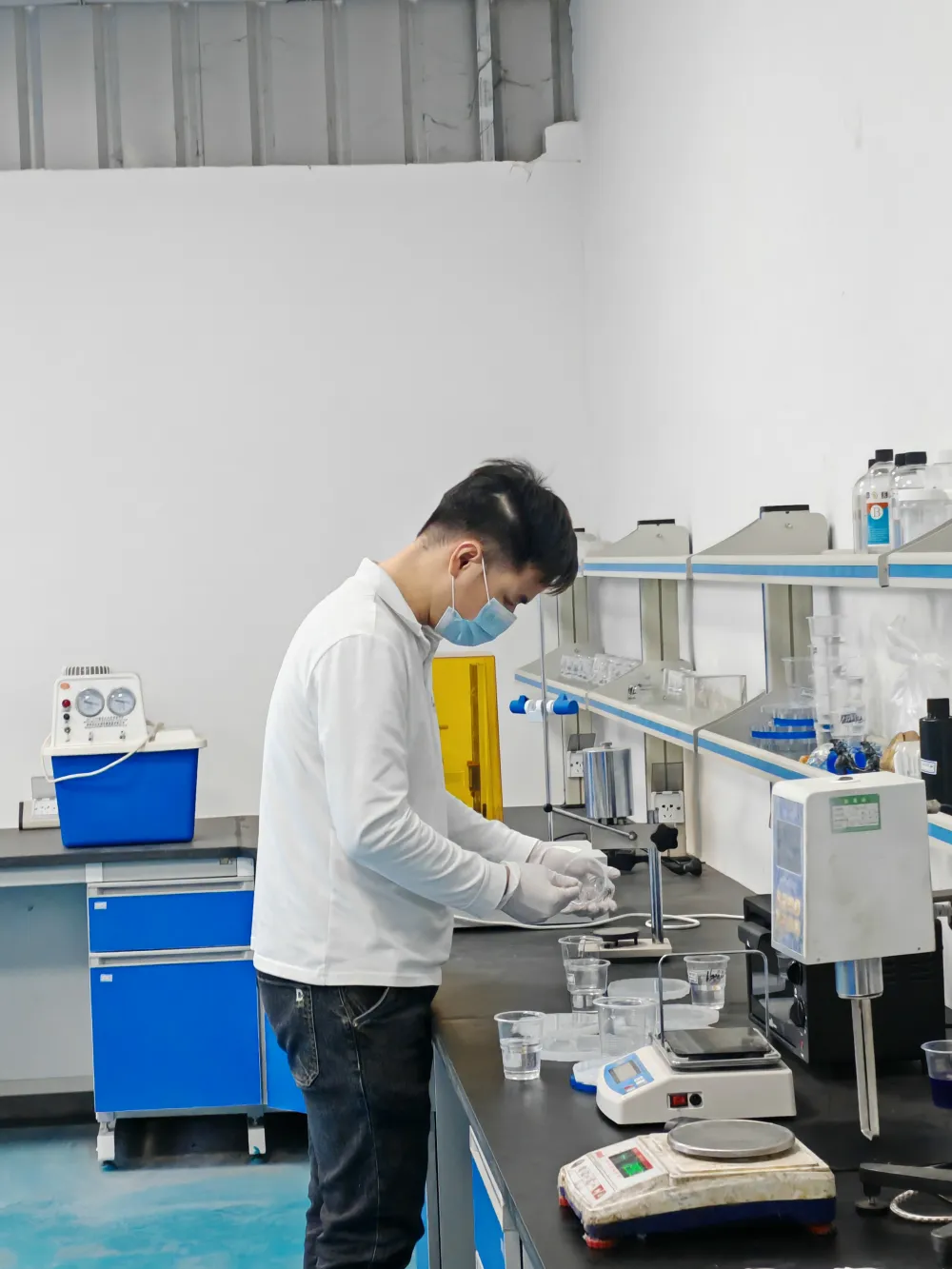
A versatile two-component adhesive used in many industries, AB glue has excellent bonding abilities but may present challenges and drawbacks that limit its performance across sectors. Here we explore strategies and practical solutions that may improve its functionality to maximize efficiency across numerous fields. Overview of AB glue AB glue is a two-component adhesive typically […]
An AB adhesive is a two-component glue made up of A agent and B agent; these need to be mixed in specific proportions in order for it to play its purpose, making this widely applicable in multiple fields due to its special performance characteristics. Characteristics of an Adhesive bond. High Bond Strength: When […]
Manufacturers often prioritize storage costs and quality when choosing industrial adhesives, particularly one-component adhesives with tight storage conditions as improper storage could compromise their chemical properties and lead to high storage costs. One component adhesives require careful storage conditions in order to retain their quality properties over time; otherwise their chemical composition would deteriorate rapidly […]
Electronic component adhesives provide the foundation to securely adhere discrete devices to various substrates. While commonly utilized for surface mounting parts onto printed circuit boards (PCBs), adhesives also serve a multitude of other uses including potting/encapsulation/substrate assembly/electronic repairs/potting applications and repairs to electronic systems. This guide presents everything design engineers should know when selecting electronic […]

Within the dynamic world of consumer electronics, assembly processes play an integral part in their durability and functionality. Each device relies on high-grade assembly materials including adhesives that contribute to durability and functionality – from smartphones and tablets through laptops and wearables – including smartphones themselves rely on them heavily as bonding agents; consumer electronics […]
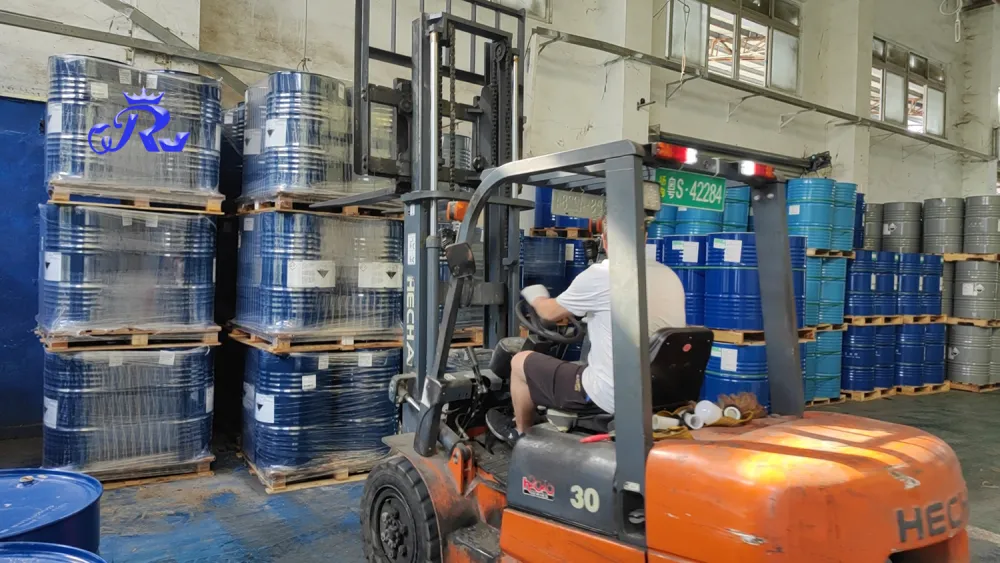
What are the uses of epoxy glue? When epoxy resin is mixed with hardener, it forms an epoxy. Both substances can be stored separately and only combined when ready to glue. The mixing ratio should be 1:1 or else the resin won’t cross-link. The pot life starts after you have mixed both ingredients. The pot life is the […]
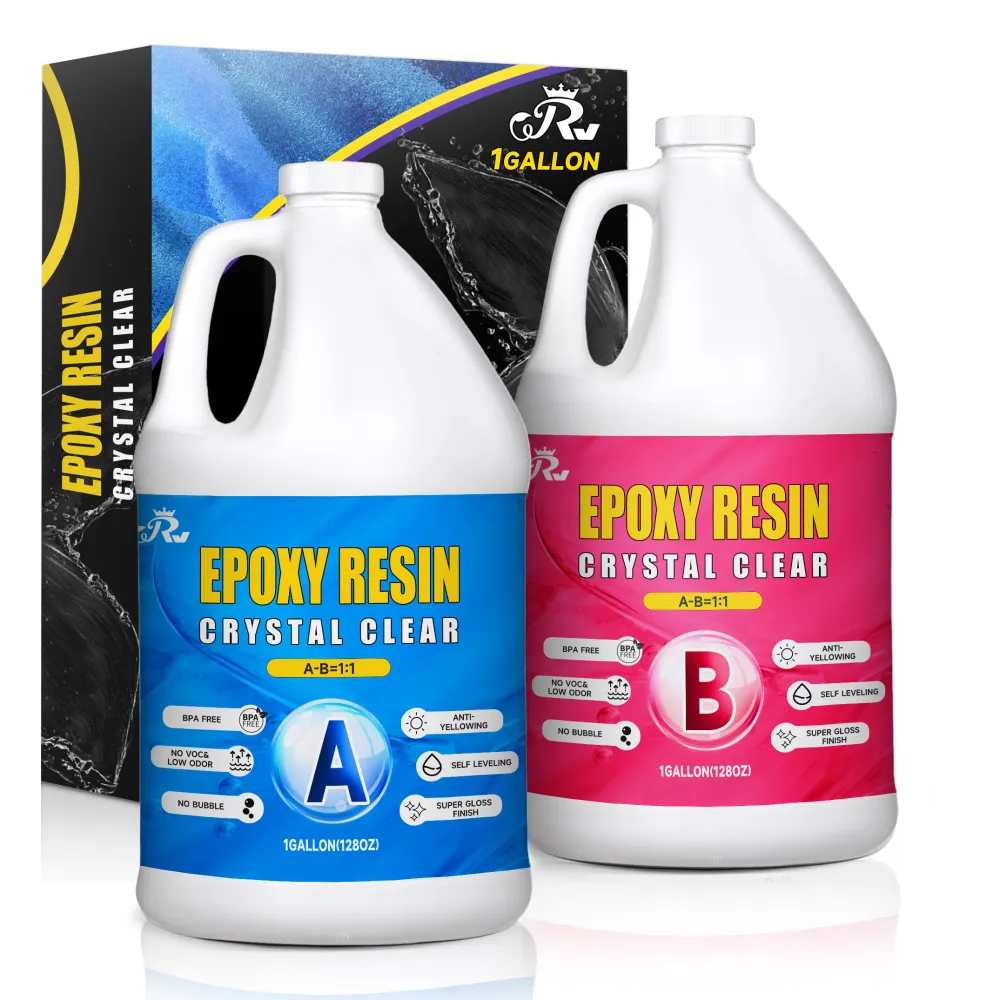
You can adjust the viscosity to meet different requirements. These are some of the most common ways: The viscosity of epoxy adhesives is correlated with the temperature. Temperature increases tend to increase flowability and decrease viscosity. Heating the adhesive will reduce its viscosity. To prevent premature cure or degradation, the temperature must be carefully controlled during heating. Lowering the temperature […]
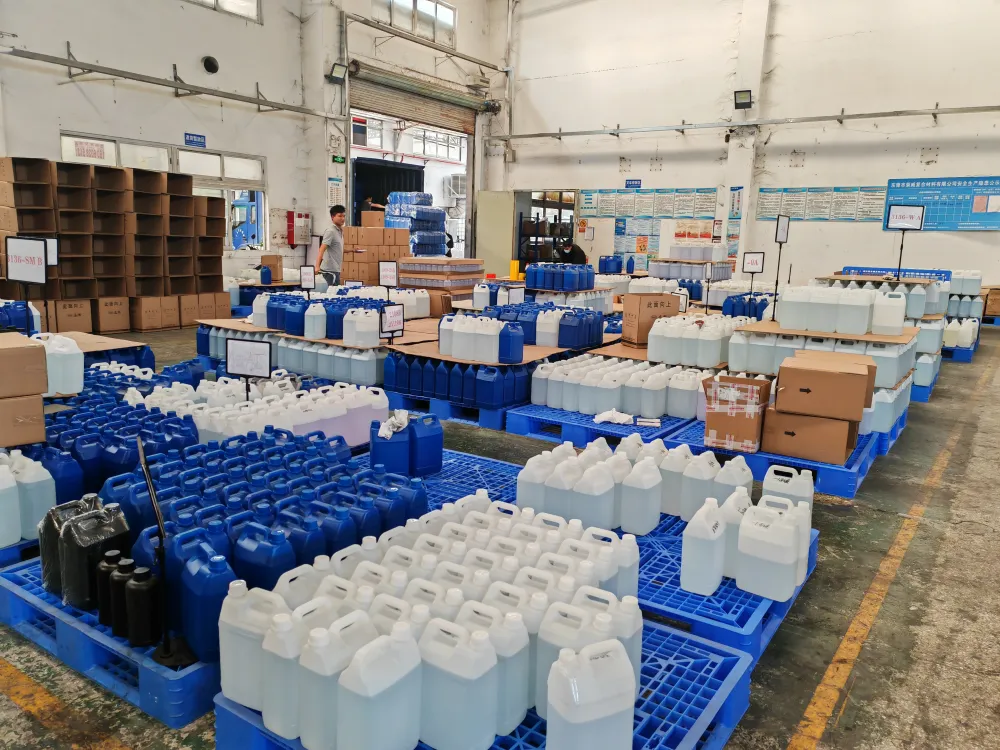
The epoxy resin adhesives are one of the more widely used adhesives. The reliability of epoxy resin adhesive is shown by: High Bond Strength The network structure of the 3D polymer formed after curing is very strong and stable, and can bond high-strength material like ceramic and metal. Excellent durability It is resistant to heat and chemical […]
Are you familiar with high-temperature resistant epoxy resins? We have discussed the properties of epoxy resins in other articles. This adhesive, which is used by the engineering industry, can also be applied to all kinds of coatings. Industries such as food and electronics, maritime, construction, or even electronic, cannot live without it. What temperatures can this […]