
Why Look for Bulk Epoxy Resin for Sale? If you run a high-volume fabrication shop or handle large-scale commercial installations, buying retail-sized resin kits eats directly into your profit margins. Scaling up your material sourcing is the fastest way to reduce overhead and streamline production. When we offer bulk epoxy resin for sale, we focus […]
Discover the top 5 epoxy resin systems for industrial use in 2025. Compare performance, applications & curing types. Includes clear, heat-proof & eco-friendly options.
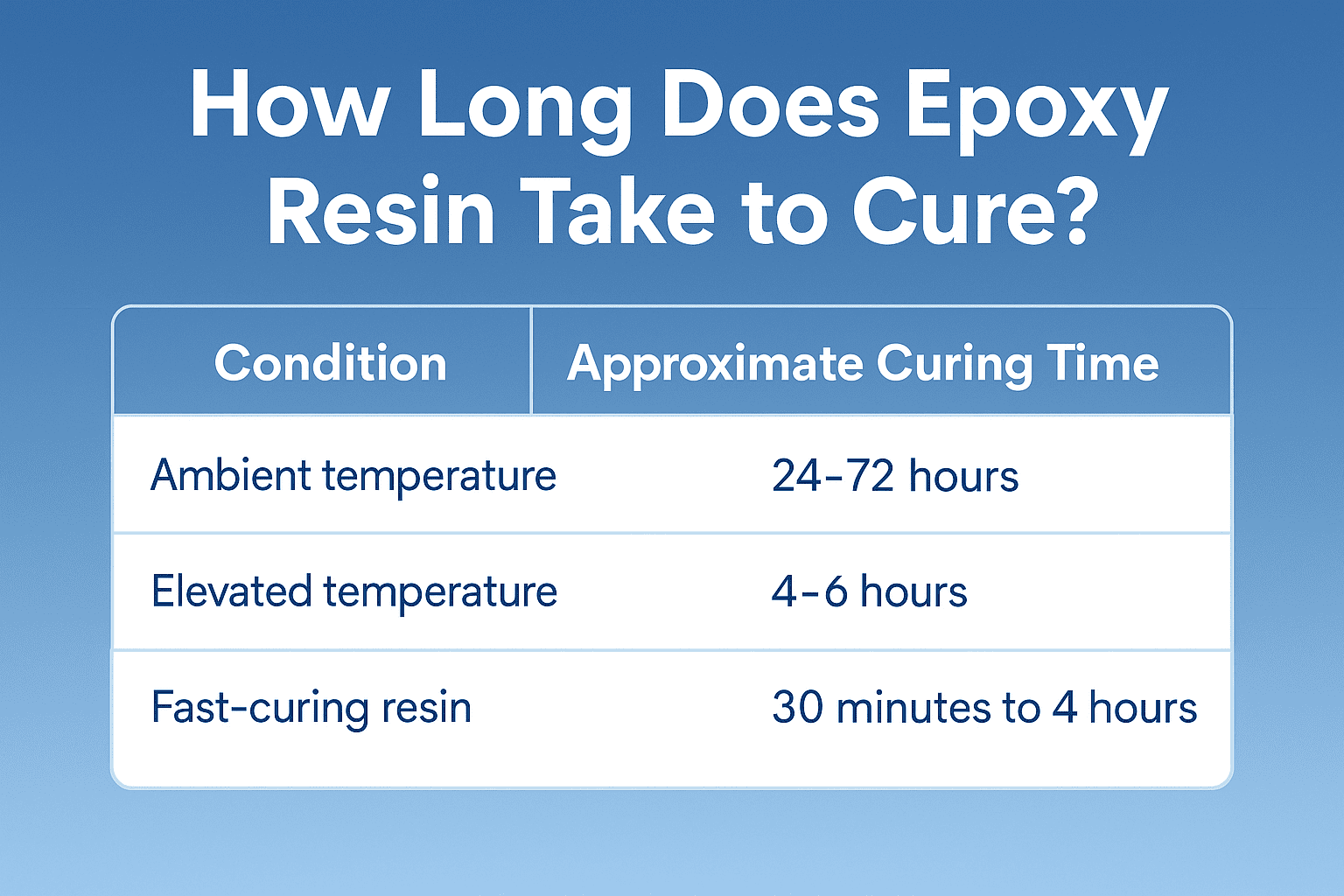
Curing time refers to how long it takes for epoxy resin to fully harden after mixing. This time varies depending on several factors like the brand, resin type, temperature, and thickness of the pour. Knowing the epoxy resin cure time is essential for planning projects and ensuring the best finish.

Temperature affects everything when working with epoxy—curing time, clarity, consistency, and structural integrity. Pouring epoxy resin at the wrong temperature can result in bubbles, yellowing, soft cures, or even failure to harden.
The best temperature to pour epoxy resin is between 72°F and 78°F (22°C to 25°C). This range ensures proper polymerization and minimizes surface issues.
Cold shop? Here’s how to get a full cure without compromising clarity or strength.

You’ve got the orders. The market demand is real. You’re ready to scale your workshop or factory. But then… things start to go wrong:
Your product warps after curing
The surface turns yellow in just a few weeks
Customers complain, returns pile up, and margins shrink
Cheap or mismatched resin can quietly sabotage your business. We’ve seen it happen more than once.
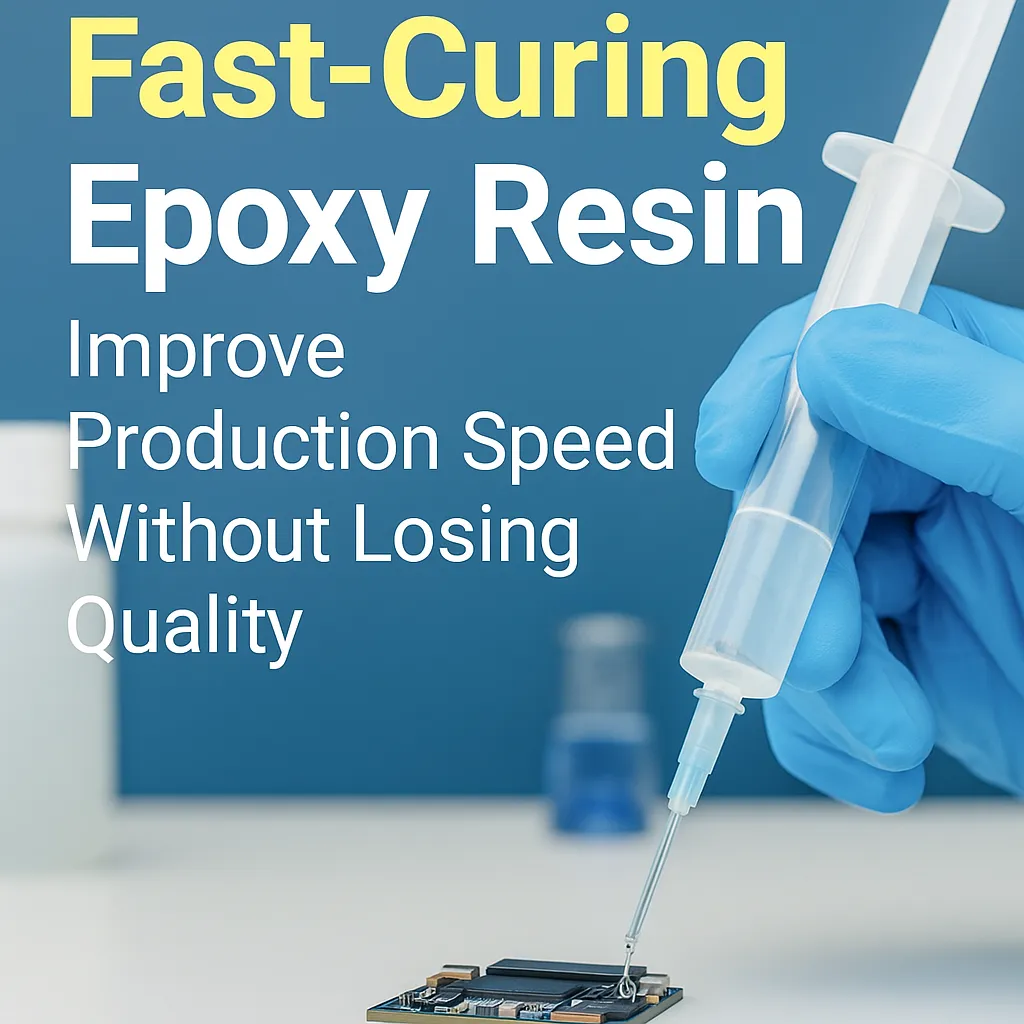
If you work in a factory or on a production line, you already know the bottleneck that curing time can create. Every minute saved per part adds up — and that’s where fast-curing epoxy resin comes in. But not all fast epoxies are created equal. Some cure quickly but compromise on bonding strength, clarity, or heat resistance. So how can you speed up your output without sacrificing reliability?
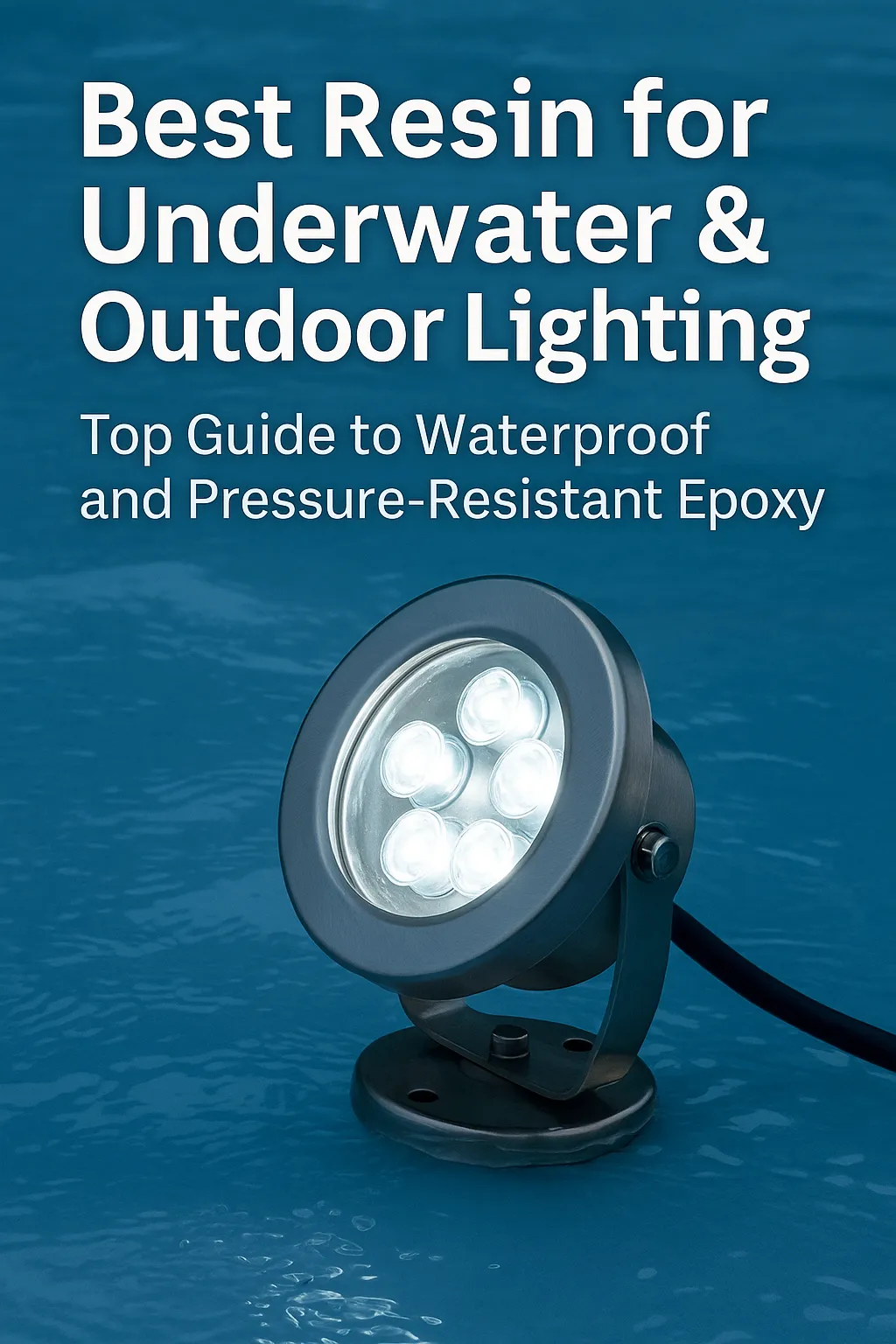
When it comes to lighting that operates in wet or fully submerged conditions, your resin choice becomes more than cosmetic — it’s a matter of reliability and safety.
Whether you manufacture underwater LED lamps, garden pathway lights, or pool installations, the right waterproof and pressure-resistant epoxy resin can make or break your product’s performance.
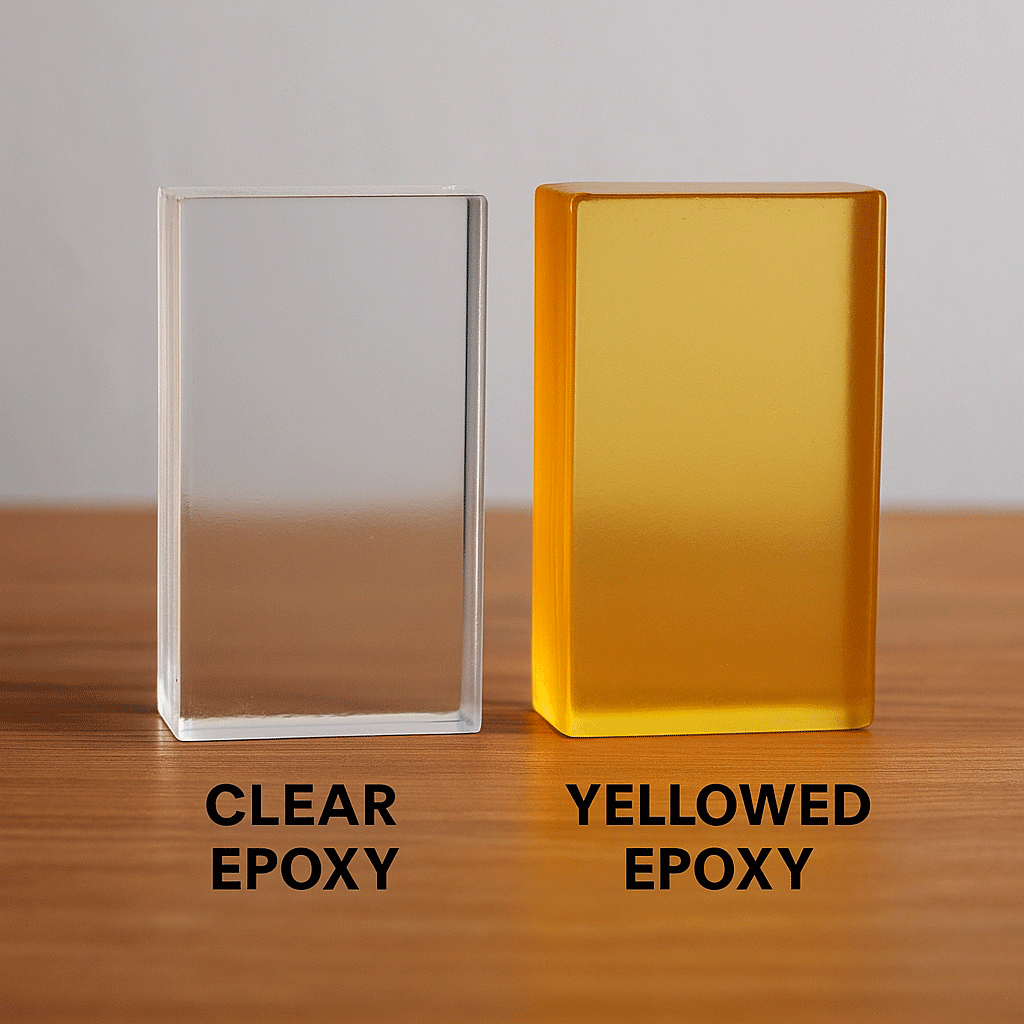
At RW Atelier, we know how frustrating it feels: you spend hours perfecting a beautiful piece, only to find it turning yellow days—or even hours—later. Sadly, epoxy yellowing is a common problem. But the good news? It’s absolutely preventable.
This guide explains why epoxy resin yellows, how to avoid it, and which formulas—like our 5050AB—can help you achieve that long-lasting, crystal-clear finish your work deserves.
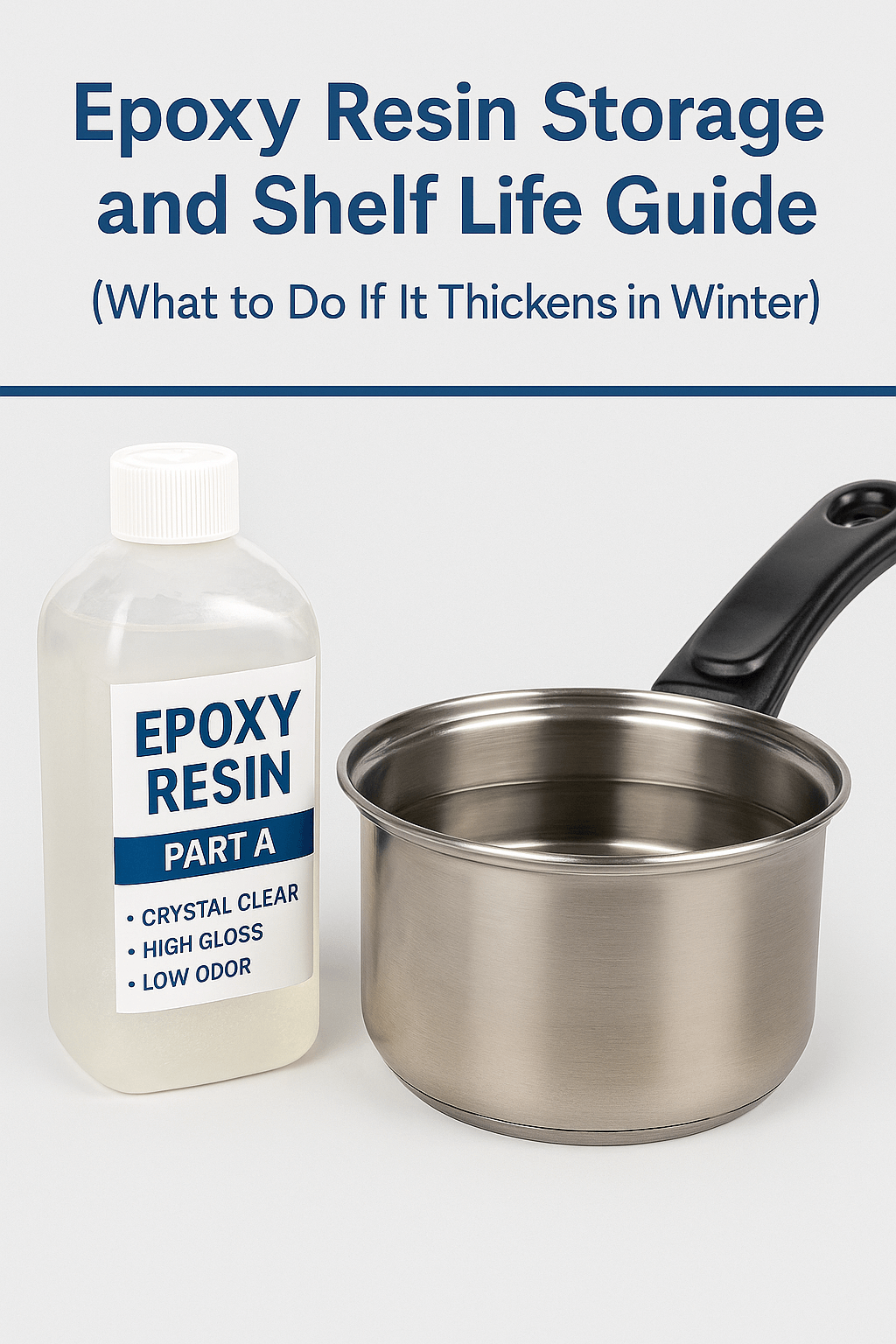
Epoxy Resin Storage & Shelf Life Guide (What to Do If It Thickens in Winter) Epoxy resin is one of those materials that, when stored properly, can last for years. But if you’ve ever opened a bottle during the winter and found it thick, cloudy, or grainy—you’re not alone. Cold weather and poor storage conditions […]