Epoxy Coating Failure Causes System Defects Solutions
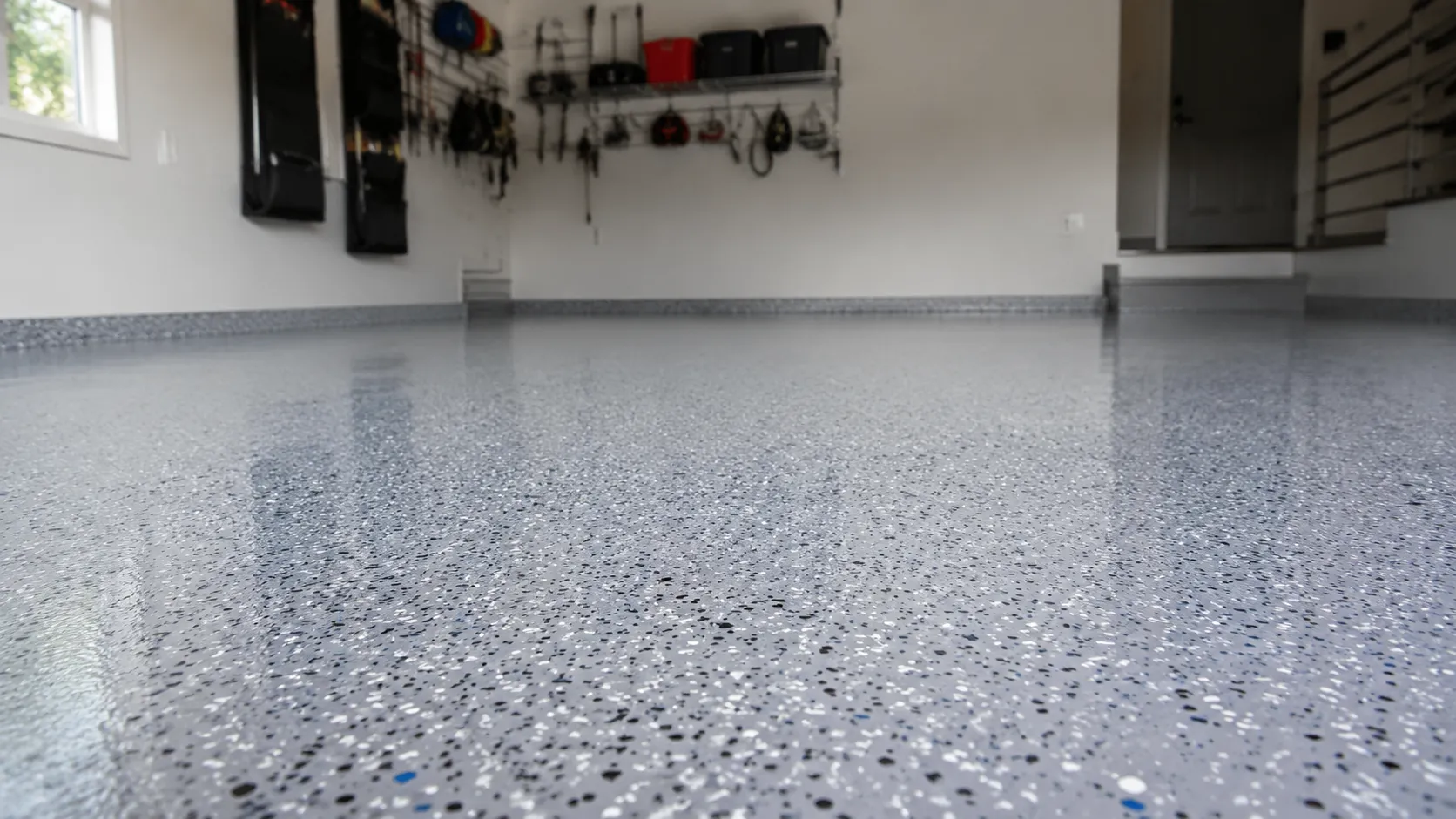
Epoxy Coating Failure
Industrial and commercial floors rely on heavy-duty protection, but epoxy coating failure can disrupt operations and ruin your investment. Understanding why these systems fail is the first step toward securing a flawless, long-lasting surface.
Root Causes of Coating Failure
Most performance issues stem from poor preparation or environmental interference during application.
- Improper Surface Preparation: Epoxy requires a porous, clean surface to mechanically bond. Leaving behind oil, dust, laitance (a weak top layer of concrete), or old coatings guarantees a weak bond.
- Moisture Vapor Transmission: Concrete breathes. If hydrostatic pressure pushes moisture upward through the slab, it destroys the adhesive bond, leading to peeling and blistering.
- Incorrect Mixing Ratios: Epoxy is a two-part system requiring precise chemical ratios. Improperly measuring or under-mixing the resin and hardener causes a curing failure, leaving the floor sticky, soft, or structurally weak.
Inherent System Vulnerabilities
Standard epoxy formulations face specific physical limits when exposed to harsh operational environments.
- Thermal Shock: Rapid temperature swings cause concrete and epoxy to expand and contract at different rates, resulting in cracking or delamination.
- UV Degradation: Standard aromatic epoxies chalk, yellow, and become brittle under direct sunlight or intense UV exposure.
- Low Flexibility: Brittle coatings cannot bridge structural movement, causing the floor to crack along with the underlying shifting concrete.
Engineered Solutions for Lasting Performance
Eliminating failures requires a systematic approach combining mechanical prep, moisture mitigation, and advanced chemistry.
| Phase | Action Item | Preventative Benefit |
|---|---|---|
| Preparation | Shot-blasting or diamond grinding | Creates the ideal Concrete Surface Profile (CSP 2-3) for mechanical bonding. |
| Mitigation | Apply a moisture vapor barrier primer | Suppresses high hydrostatic pressure and prevents moisture-driven peeling. |
| Chemistry Switch | Upgrade to polyaspartic or urethane topcoats | Provides superior UV resistance, thermal shock protection, and flexibility. |
Adhering strictly to curing failure prevention protocols—such as monitoring ambient humidity and dew points during installation—ensures the system achieves its full chemical resistance and compressive strength.
Related Sources
