
Industrial Epoxy System Guide for Materials and Installation
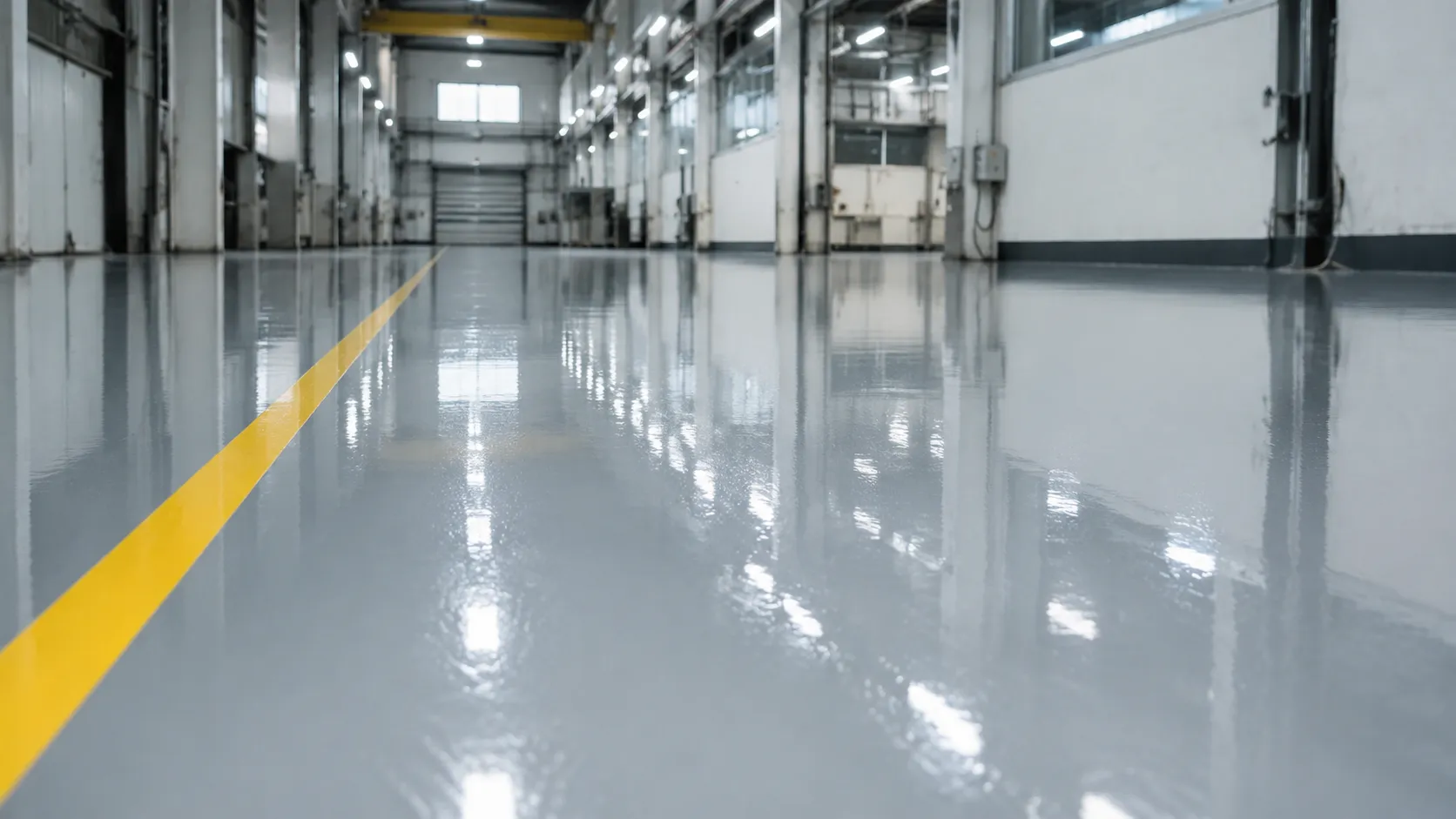
Are you tired of watching your facility’s floors crack, stain, and fail under heavy traffic? Choosing the right industrial epoxy system isn’t just about aesthetics—it’s about protecting your bottom line and ensuring operational safety.
With years of hands-on experience managing heavy-duty floor installations, I know exactly how overwhelming the process can be. That is why I’ve mapped out the ultimate blueprint to get it right the first time.
In this guide, you’re going to learn exactly how to approach your facility’s needs analysis, select the perfect material combination for your specific environment, and execute a flawless installation process.
Let’s dive right in.
Understanding Project Demands
Selecting the right industrial epoxy system requires a deep dive into the specific operational challenges of your facility. A one-size-fits-all approach does not work for heavy duty flooring projects; success depends entirely on matching the material formulation to your precise environment.
Key Factors to Evaluate
- Mechanical Loads: Calculate the weight and frequency of traffic. Facilities operating heavy forklifts, AGVs, or pallet jacks require high compressive strength to prevent cracking.
- Chemical Exposure: Identify all substances that may contact the floor, including acids, solvents, oils, and harsh cleaning agents.
- Thermal Conditions: Account for extreme temperatures, such as thermal shock from steam cleaning or the constant freezing environments of cold storage.
- Substrate Condition: Assess the moisture vapor emission rate (MVER) and structural integrity of the concrete base to eliminate the risk of a curing failure or delamination later on.
| Operational Factor | Impact on System Selection |
|---|---|
| High Impact / Heavy Loads | Demands thick, aggregate-filled slurry or mortar systems. |
| Chemical Spills | Requires specialized novolac epoxy or chemical-resistant topcoats. |
| Wet Environments | Requires textured slip-resistant broadcasting for worker safety. |
Selecting the Right Industrial Epoxy System Components
We do not believe in a one-size-fits-all approach. To build a truly heavy duty flooring system, you need to combine the right primers, body coats, and topcoats. Matching the correct chemical components ensures the floor handles extreme weight, resists harsh chemicals, and avoids common installation traps like curing failure.
The Core Layer Breakdown
- The Primer: This is your foundation. It penetrates deep into the concrete pores to create a mechanical bond. Skip this, and your entire system risks delamination.
- The Build Layer (Body Coat): This provides the thickness and impact resistance. We mix this high-solids epoxy with silica sand to build up durability against forklift traffic and heavy machinery.
- The Topcoat: The final line of defense. Usually a polyurethane or polyaspartic layer, this protects against UV damage, scratches, and chemical spills.
Essential Material Selection Checklist
| Component Layer | Main Purpose | Key Property to Look For |
|---|---|---|
| Moisture Vapor Barrier | Prevents osmotic blistering | High moisture suppression (up to 25 lbs) |
| 100% Solids Epoxy | Builds floor thickness | Zero VOCs, high compressive strength |
| Polyurethane Topcoat | Chemical and UV protection | Scratch resistance, gloss retention |
Crucial Mixing Ratios and Chemistry
Getting the chemical mix right is non-negotiable. An industrial epoxy system relies on a strict legal marriage between Part A (resin) and Part B (hardener).
- Strict Ratios: Always use the exact mixing ratio specified by the system. Deviating even by 2% alters the chemical matrix.
- Temperature Control: Keep your ambient and substrate temperatures between 60°F and 85°F during mixing.
- Preventing Curing Failure: Under-mixing or installing in high humidity causes sticky spots, soft floors, and complete curing failure. Mix with a low-speed drill for a full three minutes, scraping the sides of the bucket to ensure a total chemical reaction.
3. Applying the Industrial Epoxy System
Getting an industrial epoxy system down right requires precise execution. We follow a strict application protocol to ensure the surface delivers maximum durability and avoids common installation pitfalls.
Step-by-Step Application Process
- Surface Prep: We diamond-grind or shot-blast the concrete substrate to create an open profile. Clean, textured concrete ensures a permanent mechanical bond.
- Precision Mixing: We blend the resin and hardener using low-speed mixers. Skipping or rushing this step alters the chemical reaction, leading directly to a costly curing failure.
- Layered Installation: We roll out the primer to seal the substrate, apply the main build coat, and lock it in with a topcoat designed to handle extreme abuse.
Critical Application Parameters
| Phase | Core Requirement | Targeted Benefit |
|---|---|---|
| Substrate Evaluation | Mechanical grinding (CSP 3+) | Prevents coating delamination |
| Environmental Control | Stable temperature & zero moisture | Eliminates curing failure risks |
| Curing | 24 hours light traffic / 72 hours full load | Activates true heavy duty flooring strength |
