
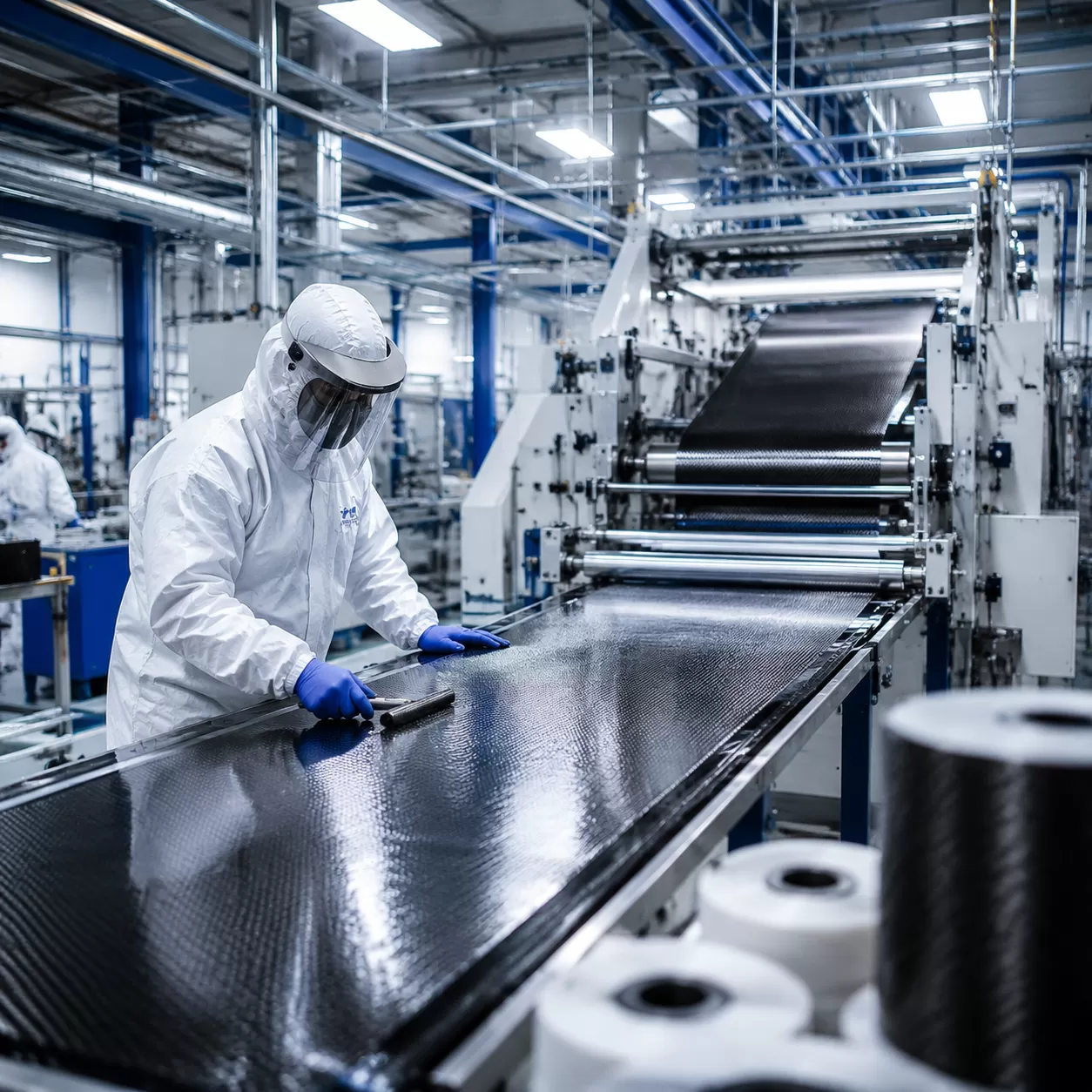
Epoxy resin for carbon fiber and composite resin manufacturing solutions for bicycles surfboards aerospace quality cost and performance
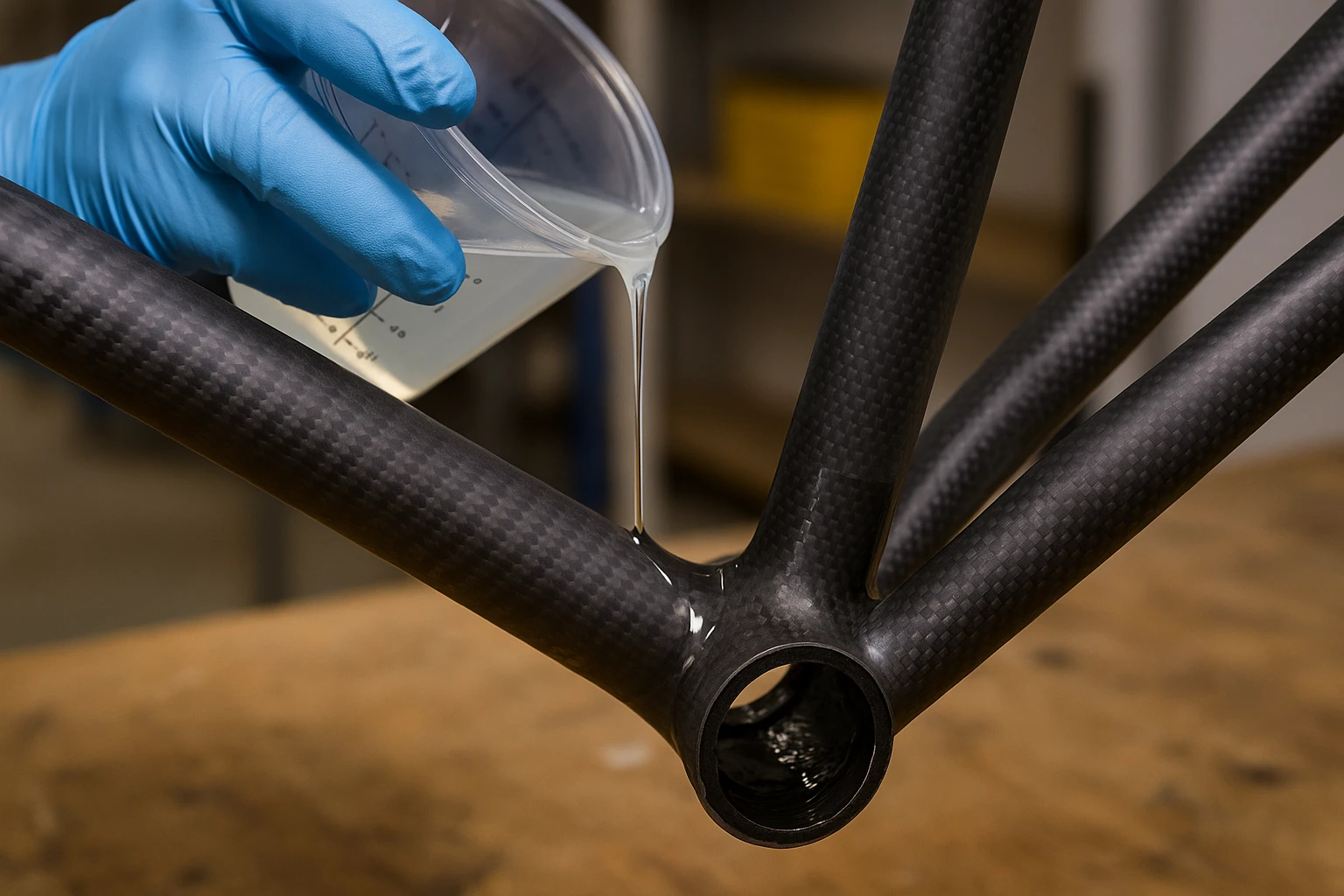
In carbon fiber bicycle frames, resin isn’t just what holds the fibers together—it defines the ride. From sprint stiffness to long-distance comfort, the epoxy matrix governs how the frame responds to real-world load cases.
If you’re manufacturing carbon frames—whether road, gravel, or MTB—your choice of epoxy directly affects:
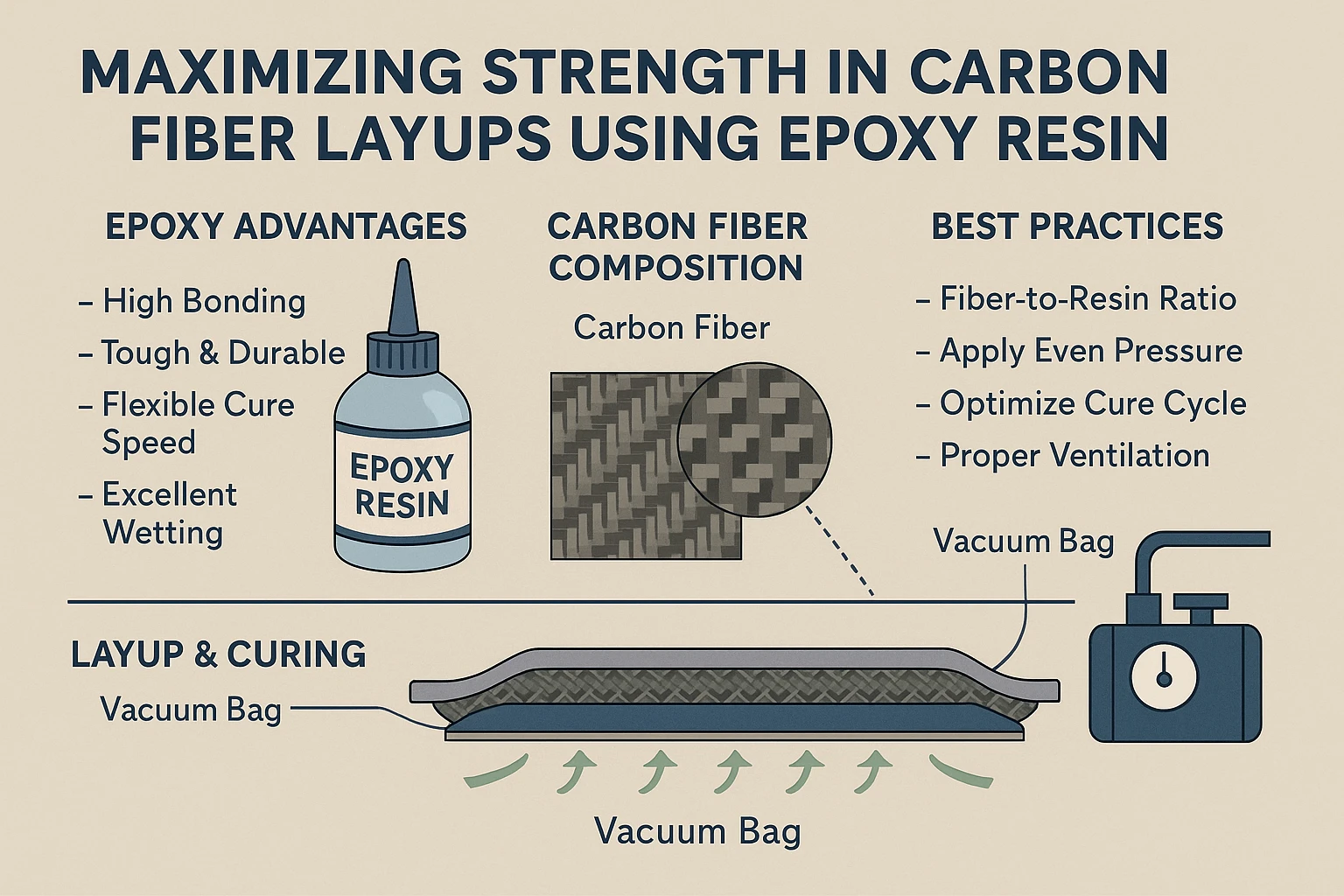
Carbon fiber composites are renowned for their exceptional strength-to-weight ratio, making them indispensable in performance-critical products like surfboards, skateboards, and high-end fishing rods. However, the full potential of carbon fiber can only be realized with the right matrix—most notably, epoxy resin.

Choosing the right epoxy resin for carbon fiber can make or break your product quality. Whether you’re working on aerospace panels, performance bikes, or car interiors, using the wrong resin can lead to delamination, cloudiness, or worse—product failure.
In this guide, we’ll walk through common mistakes manufacturers make when selecting epoxy resin for carbon fiber, and how to avoid them using industry-tested formulas like 212AB, 4212AB, and 4010AB.
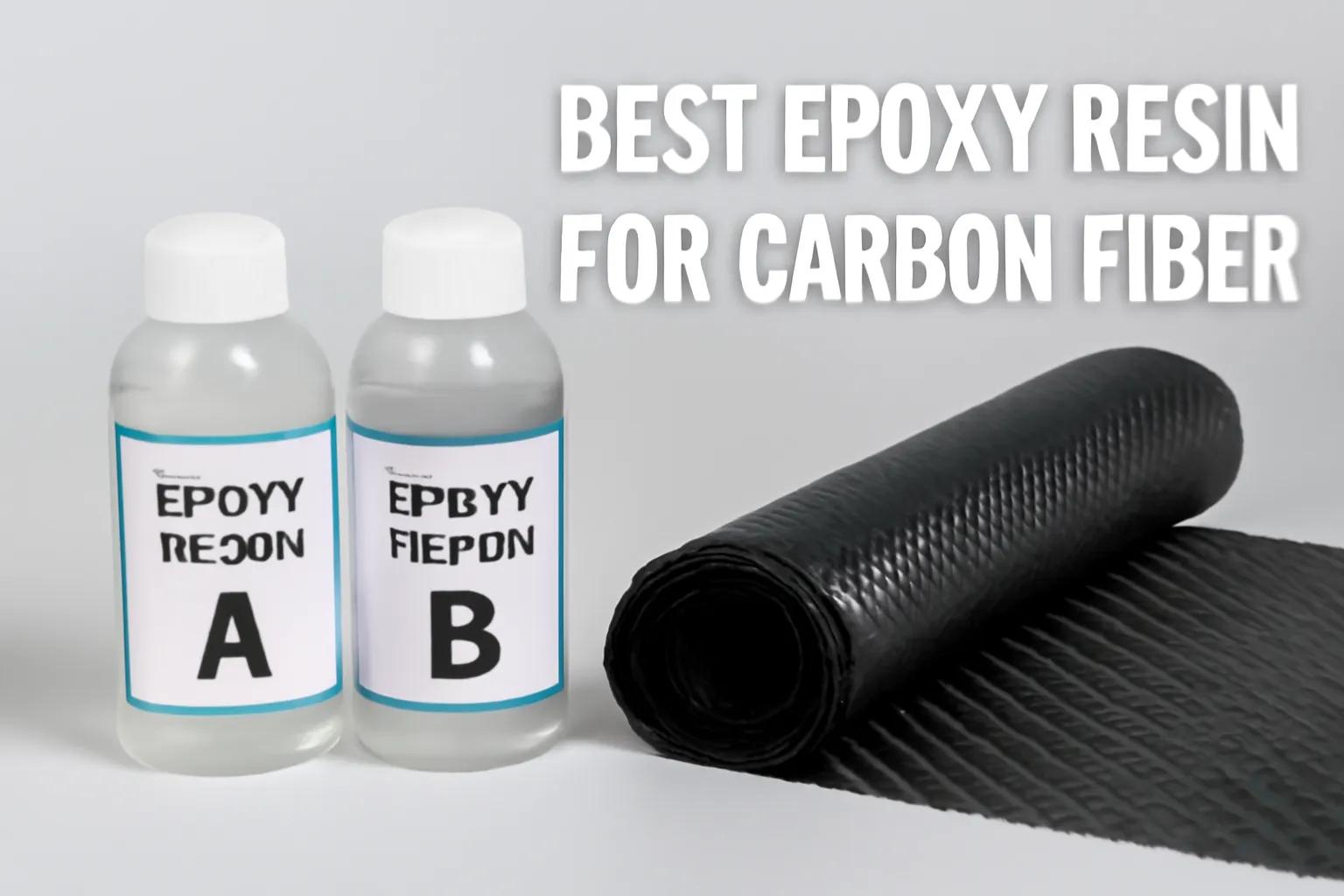
When it comes to carbon fiber reinforcement, choosing the best epoxy resin for carbon fiber is crucial. The right epoxy resin not only strengthens the material but also ensures its durability under extreme conditions. Whether you are working with automotive parts, aerospace components, or industrial products, the choice of resin plays a significant role in enhancing performance. Let’s explore how to choose the best epoxy resin that will strengthen your carbon fiber project and improve its longevity.
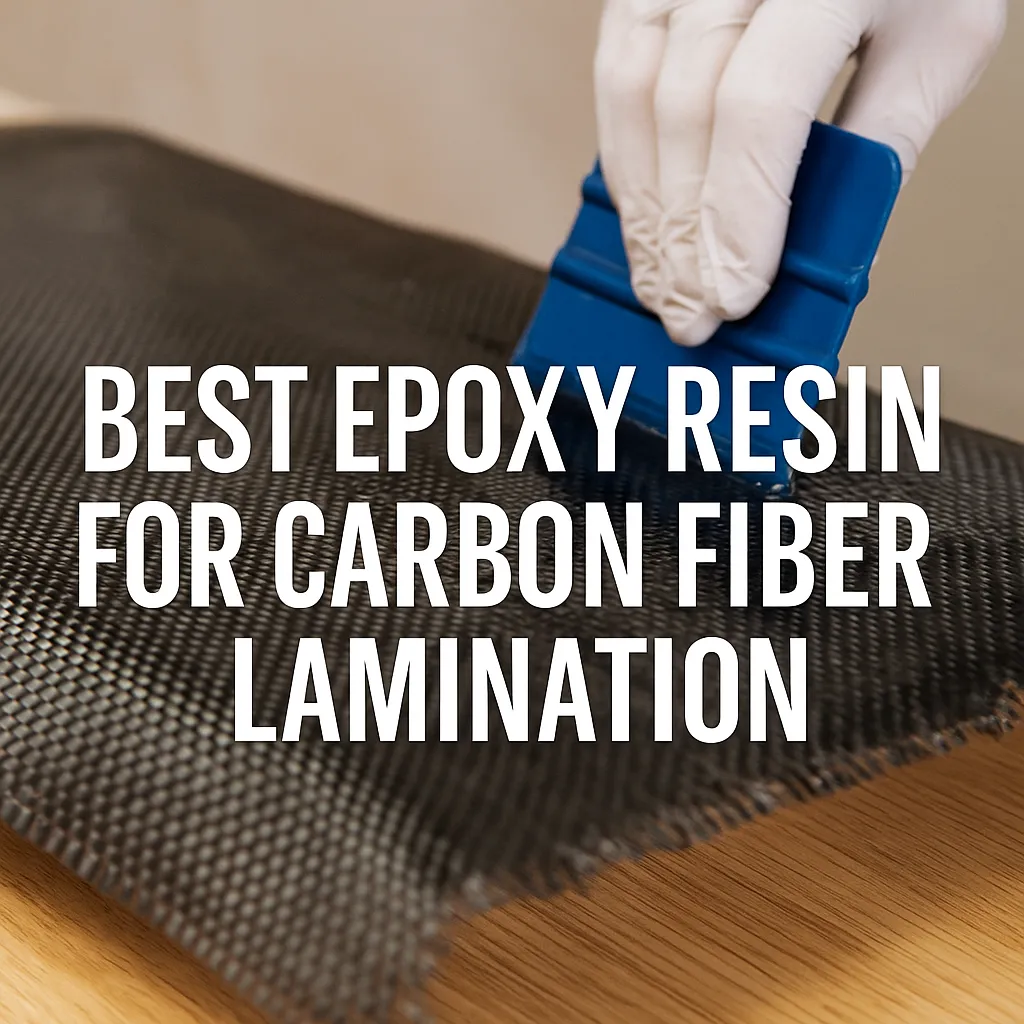
Epoxy Resin for Carbon Fiber Lamination: Best Formulas to Avoid Cracks & Yellowing Epoxy resin for carbon fiber lamination plays a critical role in high-performance composite manufacturing. From automotive body panels to aerospace-grade laminates, the right epoxy can protect your parts from UV yellowing, heat distortion, and stress-induced cracking. Why Use Epoxy Resin for Carbon […]
- 1
- 2