
Electronic component adhesives provide the foundation to securely adhere discrete devices to various substrates. While commonly utilized for surface mounting parts onto printed circuit boards (PCBs), adhesives also serve a multitude of other uses including potting/encapsulation/substrate assembly/electronic repairs/potting applications and repairs to electronic systems. This guide presents everything design engineers should know when selecting electronic […]

Within the dynamic world of consumer electronics, assembly processes play an integral part in their durability and functionality. Each device relies on high-grade assembly materials including adhesives that contribute to durability and functionality – from smartphones and tablets through laptops and wearables – including smartphones themselves rely on them heavily as bonding agents; consumer electronics […]
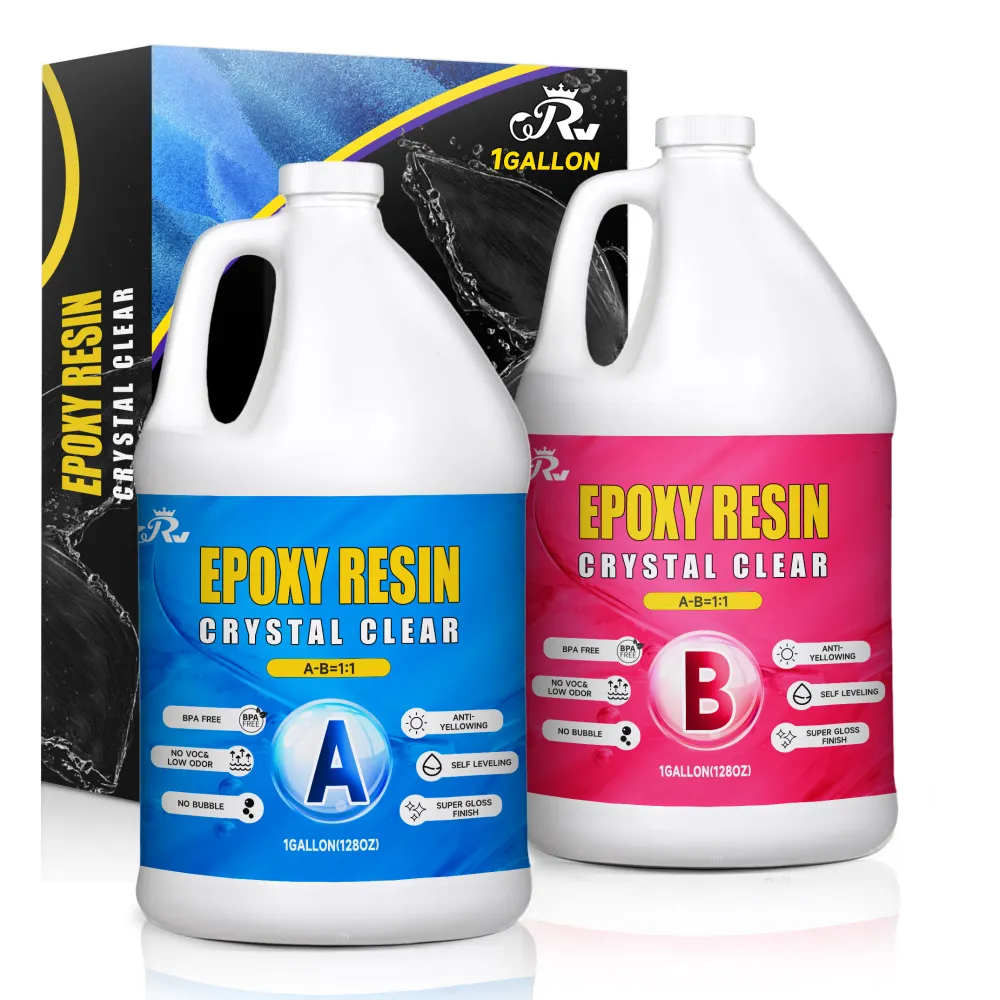
What are the uses of epoxy glue? When epoxy resin is mixed with hardener, it forms an epoxy. Both substances can be stored separately and only combined when ready to glue. The mixing ratio should be 1:1 or else the resin won’t cross-link. The pot life starts after you have mixed both ingredients. The pot life is the […]
You can adjust the viscosity to meet different requirements. These are some of the most common ways: The viscosity of epoxy adhesives is correlated with the temperature. Temperature increases tend to increase flowability and decrease viscosity. Heating the adhesive will reduce its viscosity. To prevent premature cure or degradation, the temperature must be carefully controlled during heating. Lowering the temperature […]
The epoxy resin adhesives are one of the more widely used adhesives. The reliability of epoxy resin adhesive is shown by: High Bond Strength The network structure of the 3D polymer formed after curing is very strong and stable, and can bond high-strength material like ceramic and metal. Excellent durability It is resistant to heat and chemical […]

Epoxy AB adhesive is not fully cured, you can take the following measures to deal with: First, check and adjust the ratio Confirm the accuracy of the ratio: epoxy AB adhesive consists of two parts, epoxy resin and curing agent, if the ratio of the two is not accurate, it may lead to incomplete curing. […]
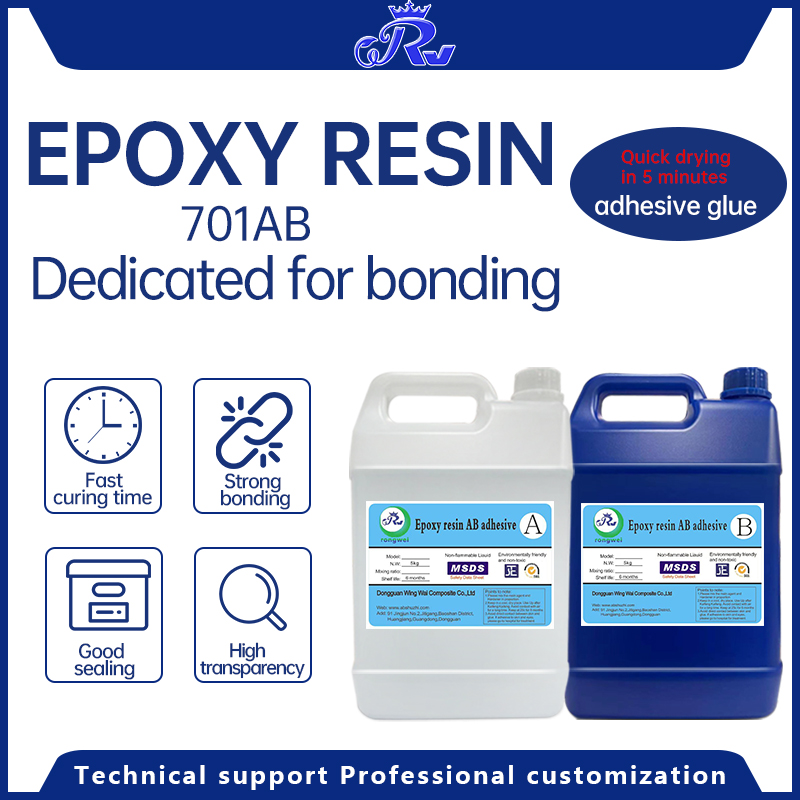
Epoxy resin AB glue is an indispensable material when it comes to adhesive solutions, consisting of two distinct components – resin (A) and hardener (B). When mixed together they form an exceptionally strong and long-term bond, making this adhesive suitable for various applications. By understanding their respective properties and interaction during curing processes users can […]
- 1
- 2