
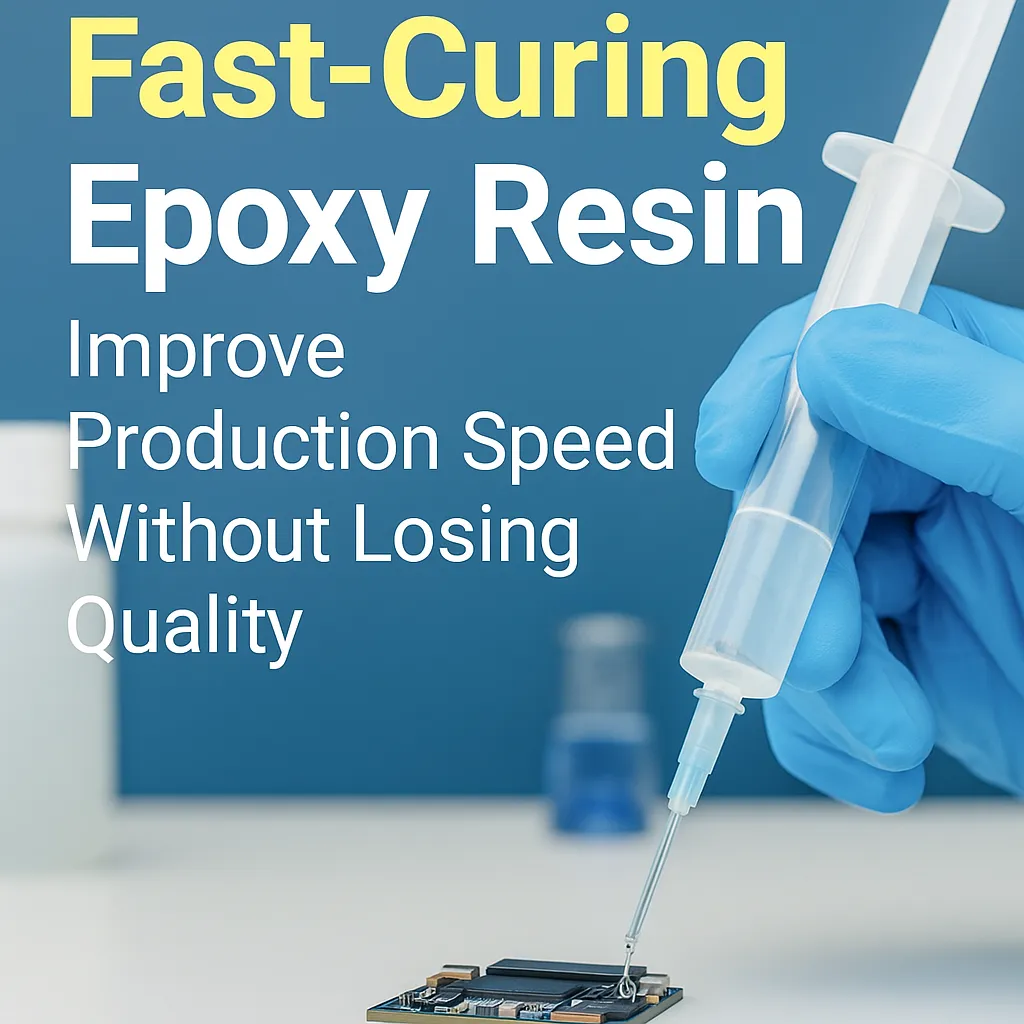
If you work in a factory or on a production line, you already know the bottleneck that curing time can create. Every minute saved per part adds up — and that’s where fast-curing epoxy resin comes in. But not all fast epoxies are created equal. Some cure quickly but compromise on bonding strength, clarity, or heat resistance. So how can you speed up your output without sacrificing reliability?
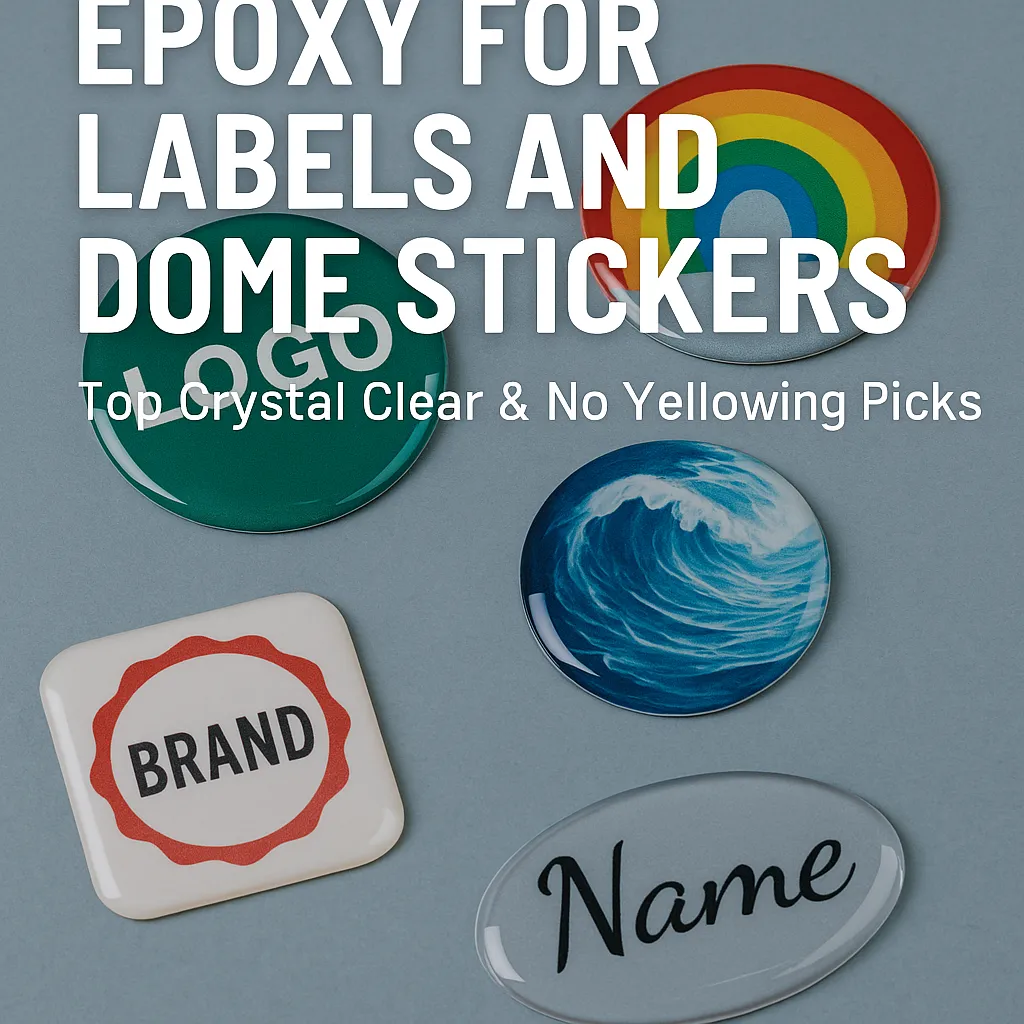
Epoxy for labels and dome stickers is a critical ingredient for manufacturers and crafters who want to add a professional, glossy, and protective finish to their product branding. A high-quality dome not only enhances the visual appeal, but also adds durability and resistance against UV light, scratches, and wear.
Among dozens of resins tested for clarity, hardness, and weathering, 315AB-40 stands out as one of the most balanced, beginner-friendly, and production-capable dome epoxies available today. Whether you’re a startup making sticker logos or a factory applying resin domes at scale, this epoxy gives you consistency and clarity in every drop.
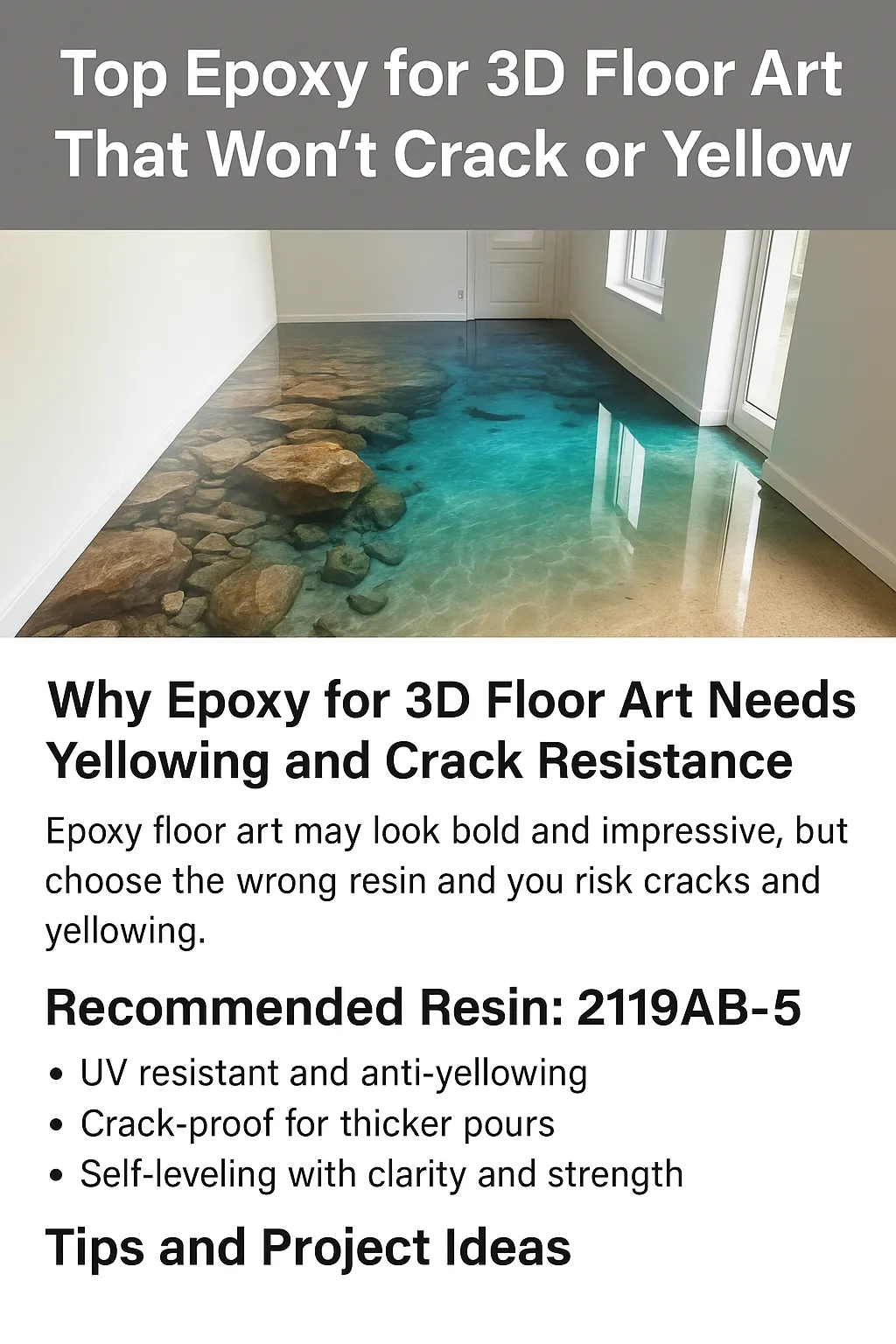
Epoxy for 3D floor art isn’t just about appearance — it’s about performance. From hotel lobbies to home murals, you need a resin that flows evenly, resists yellowing, and handles daily wear. Enter 2119AB-5, our professional-grade formula built to make your vision last.

Epoxy Resin for Jewelry and Dried Flowers: What I Wish I Knew Earlier Choosing the right epoxy resin for jewelry and dried flowers isn’t just about clarity — it’s about avoiding bubbles, yellowing, and heartbreak when your piece doesn’t cure as expected. Why Epoxy Resin for Jewelry and Dried Flowers Needs to Be Special Most […]
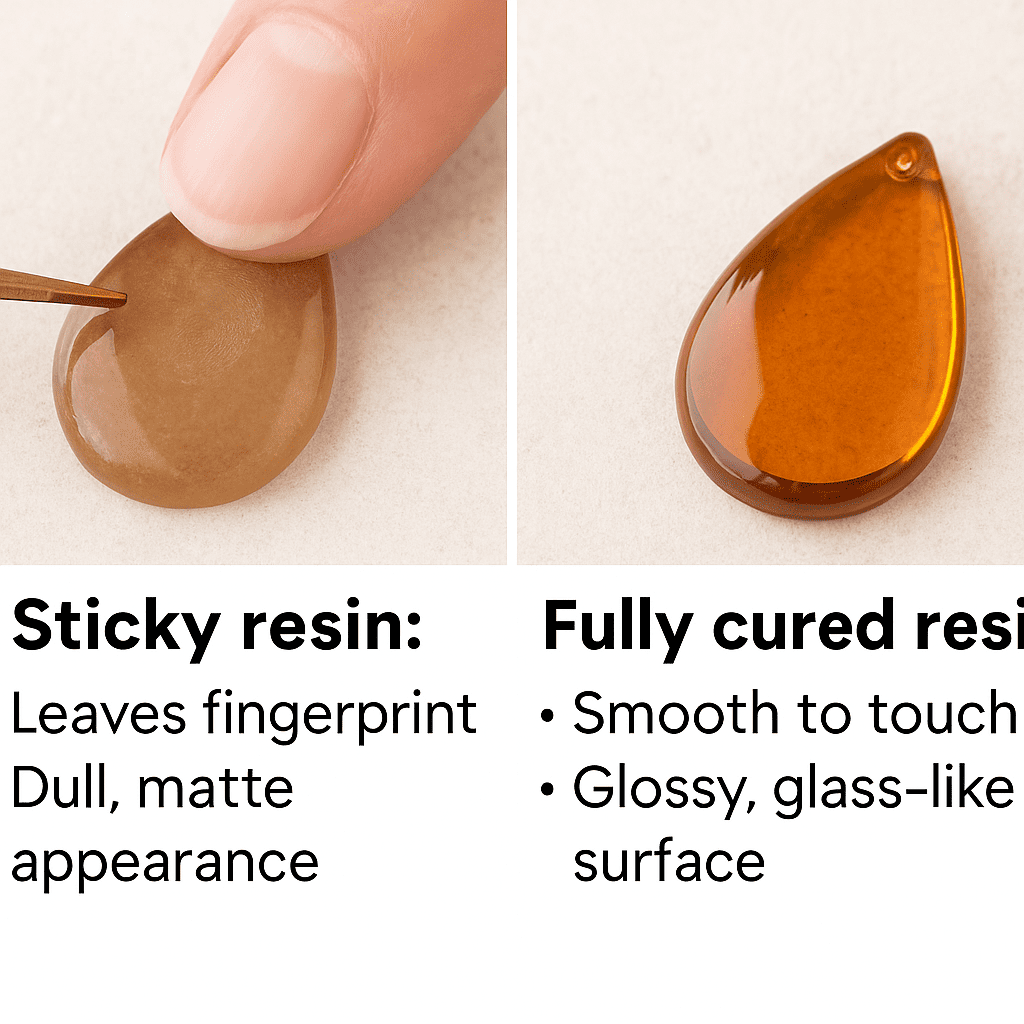
Why Is My UV Resin Sticky After Curing? Causes & Fixes Have you poured your resin, cured it under a UV lamp, and waited patiently—only to find your piece still sticky? You’re not alone. Sticky UV resin is one of the most common frustrations for beginners, but the good news is: it’s fixable. Most of […]
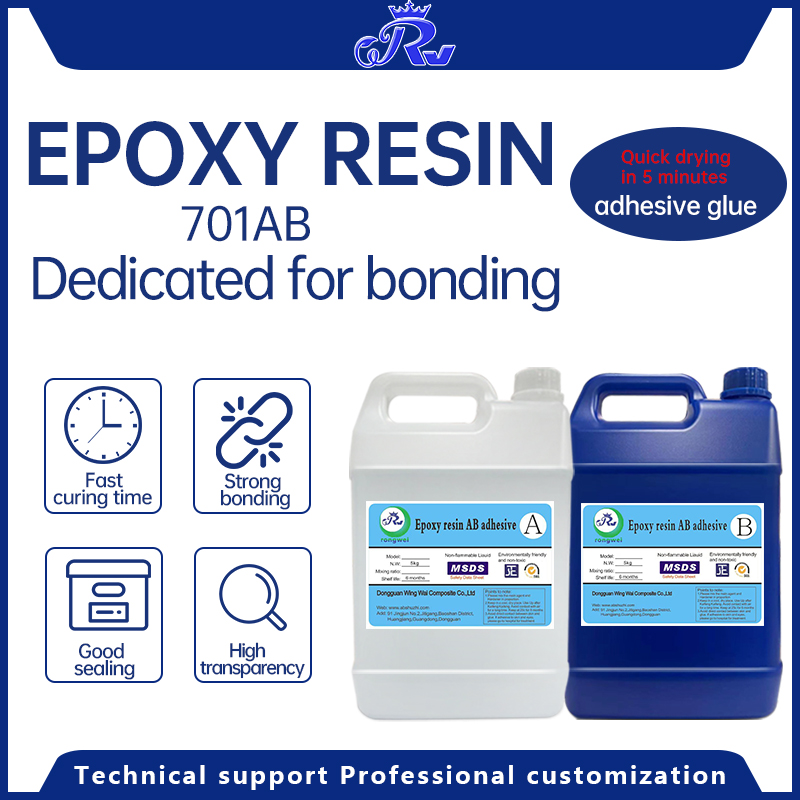
Epoxy resin AB glue is an indispensable material when it comes to adhesive solutions, consisting of two distinct components – resin (A) and hardener (B). When mixed together they form an exceptionally strong and long-term bond, making this adhesive suitable for various applications. By understanding their respective properties and interaction during curing processes users can […]
- 1
- 2