
Epoxy Chemical Resistance Testing Methods Standards and Uses
Epoxy Chemical Resistance: Testing Methods, Standards, and Applications
Evaluating epoxy chemical resistance is essential for ensuring long-term durability in harsh environments. Industrial floors, protective coatings, and structural adhesives must withstand aggressive agents without degrading.
Testing Methods
To guarantee reliable performance, epoxies undergo rigorous testing to evaluate their endurance against corrosive substances.
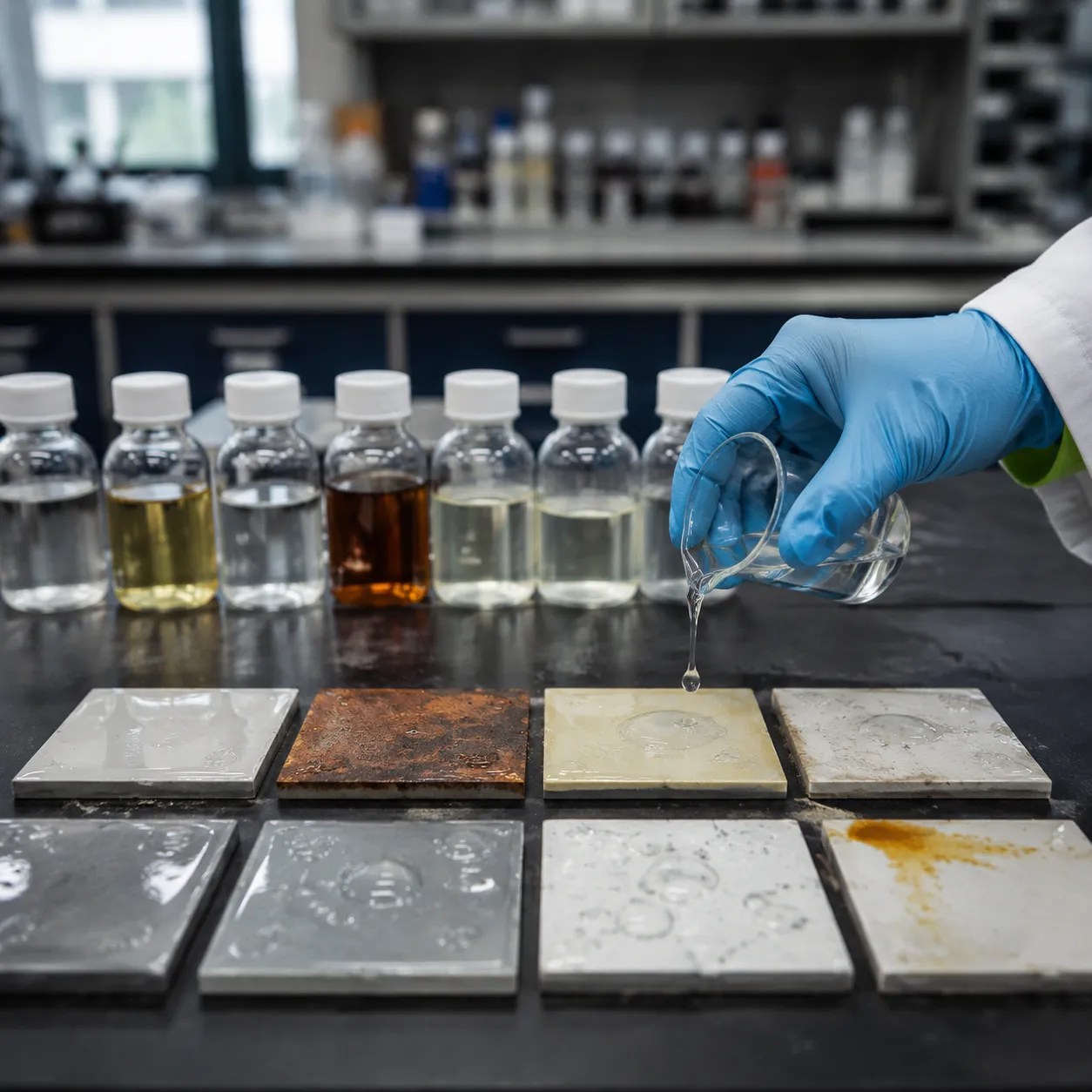
- Immersion Testing: Coating samples are fully or partially submerged in specific chemicals, such as acids, alkalis, solvents, and water, for a predetermined period (ranging from 24 hours to several months).
- Spot Testing: Chemical droplets are applied directly to the cured epoxy surface and covered with a watch glass to prevent evaporation, isolating the exact chemical impact.
- Physical Property Evaluation: Following chemical exposure, changes in weight, hardness, volume, and visual appearance (blistering, color change, or softening) are meticulously measured.
- Acid Alkali Test: A critical sub-protocol evaluating how well the resin matrix resists both low-pH acidic solutions and high-pH alkaline environments over extended cycles.
Standards
International standardized testing protocols ensure consistency, quality, and global market compliance.
| Standard | Description | Key Focus Area |
|---|---|---|
| ASTM D543 | Standard Practices for Evaluating the Resistance of Plastics to Chemical Reagents | Weight, dimension, and mechanical property changes. |
| ISO 2812 | Paints and varnishes — Determination of resistance to liquids | Evaluation of coating degradation under immersion or spotting. |
| ASTM C267 | Standard Test Methods for Chemical Resistance of Mortars, Grouts, and Monolithic Surfacings | Chemical limits for resinous flooring systems. |
Applications
High-performance chemical-resistant epoxies are vital across heavy industries where surface protection cannot fail.
- Chemical Processing Plants: Lining containment dikes, storage tanks, and piping networks to prevent catastrophic chemical leaks.
- Laboratories & Pharmaceuticals: Providing seamless, non-porous countertops and flooring that resist harsh sanitizers, solvents, and reagent spills.
- Industrial Wastewater Treatment: Protecting concrete infrastructure from hydrogen sulfide gas, microbial corrosion, and caustic water treatment chemicals.
- Manufacturing & Automotive: Shielding factory floors from battery acids, hydraulic fluids, fuel, and aggressive cleaning detergents.
