
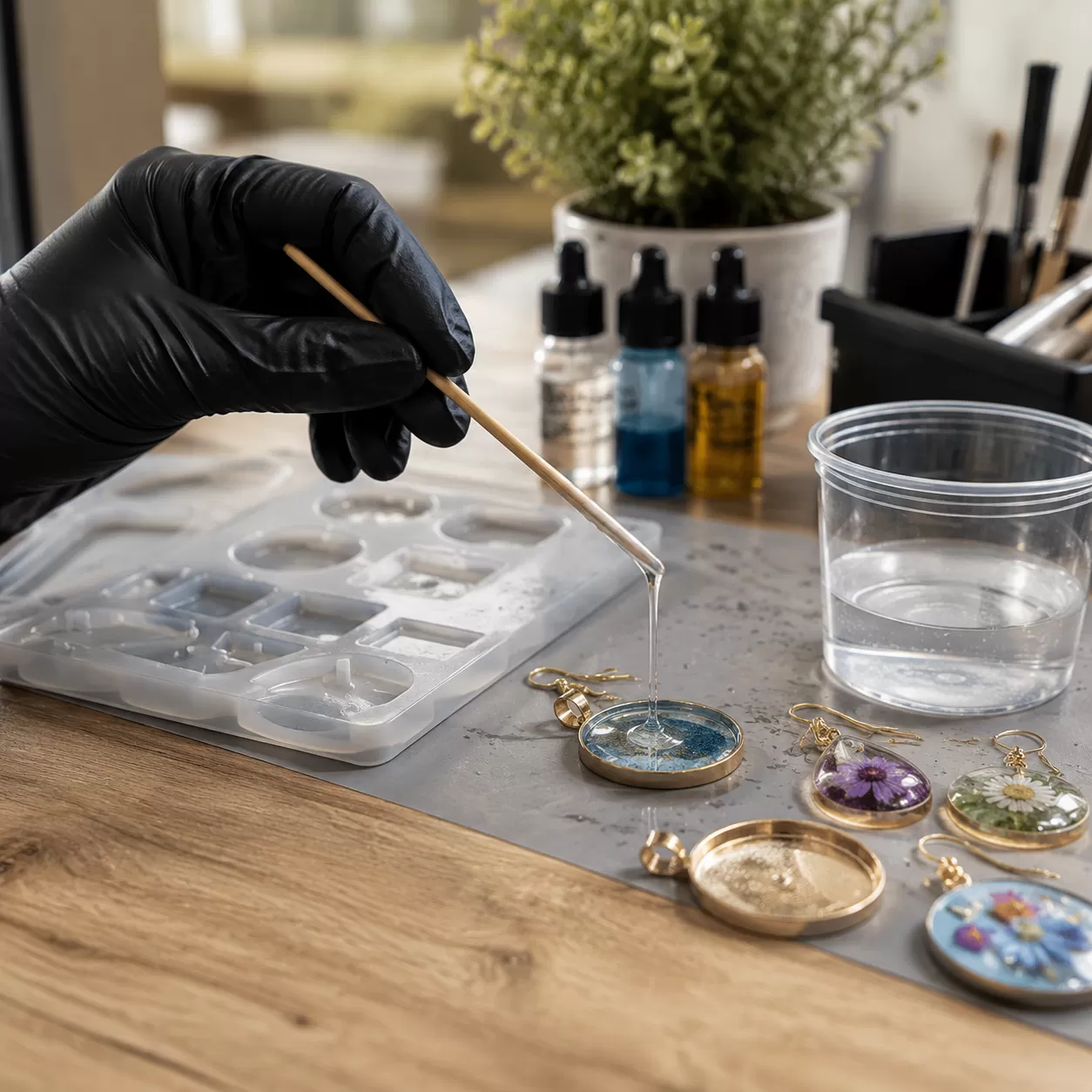
Learn how to choose materials and apply jewelry epoxy coating step by step for durable glossy protective finishes
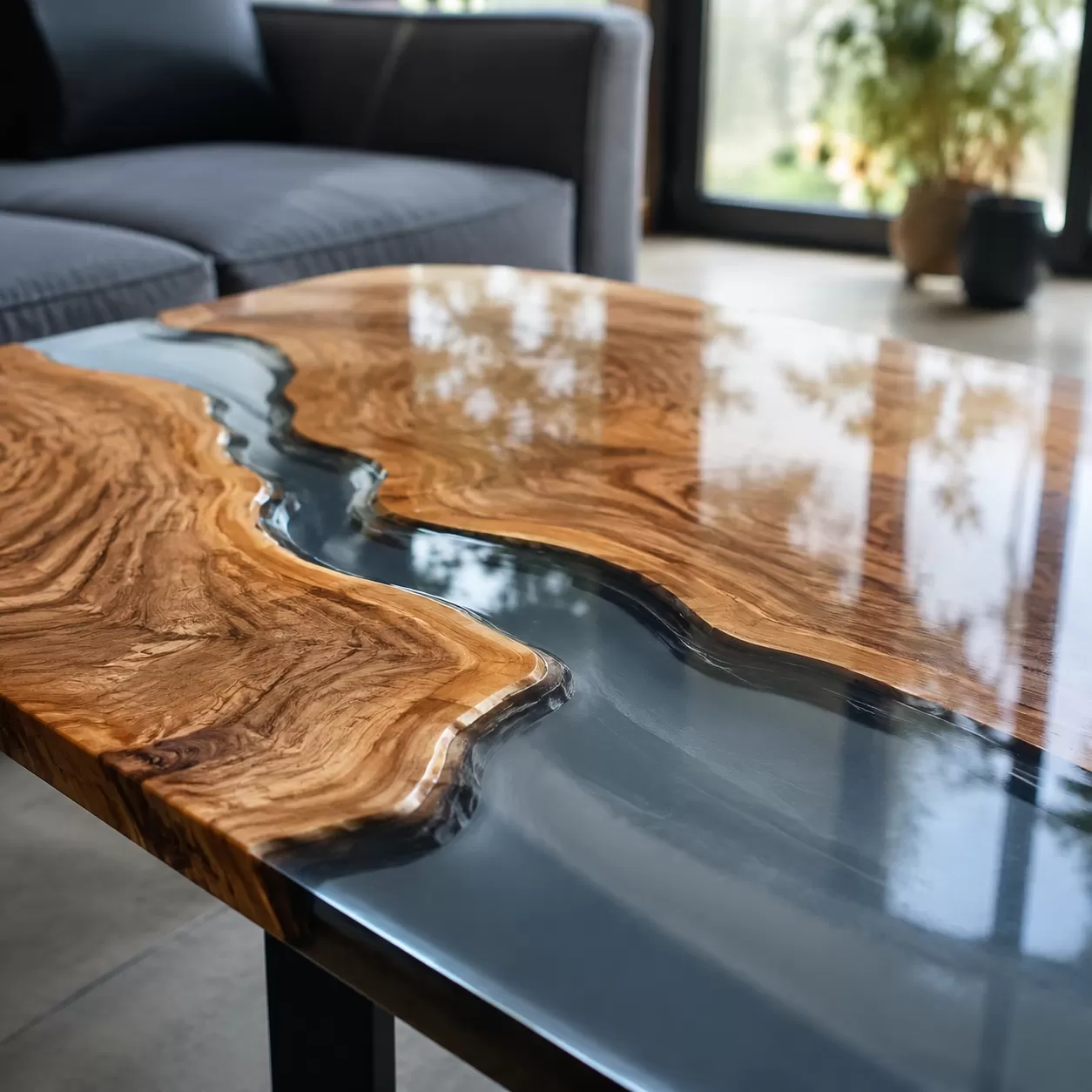
Learn bubble free epoxy resin tips from bubble sources to defoaming mechanisms and construction methods for flawless clear coatings
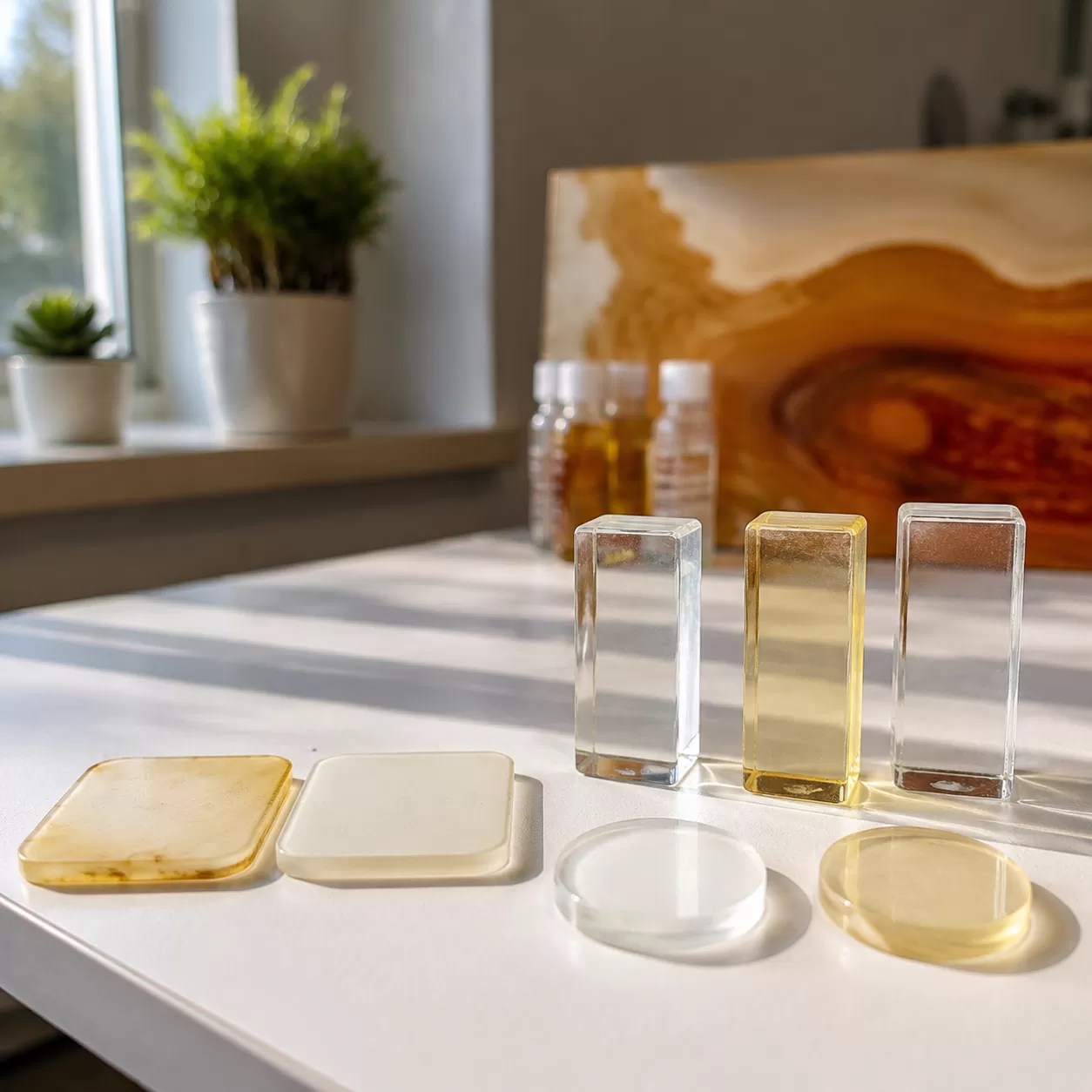
Learn why epoxy resin yellowing occurs and how the 3136AB solution effectively prevents discoloration for long lasting clear epoxy finishes
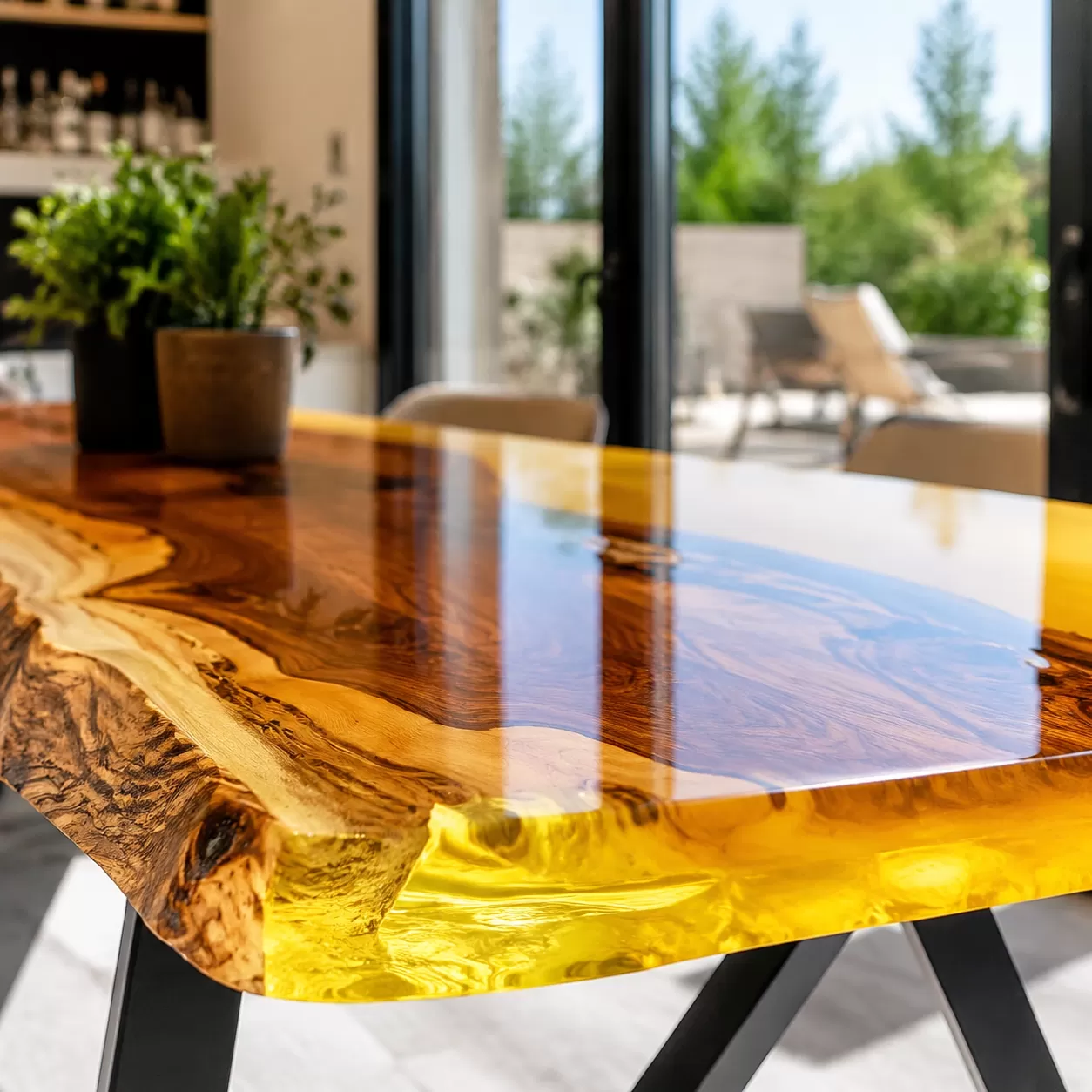
Learn epoxy resin yellowing prevention with UV resistant epoxy resin insights plus RW Atelier testing standards cases and free consultation
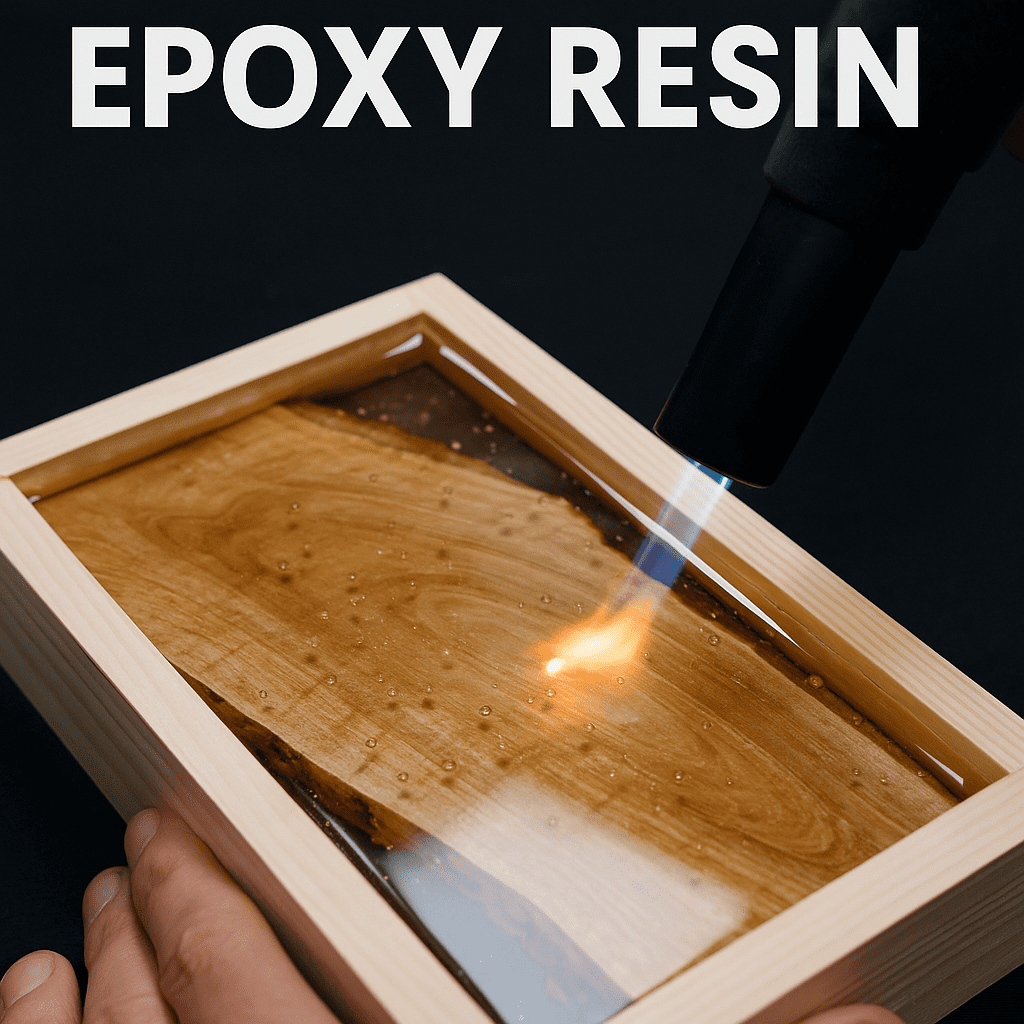
Bubbles in epoxy resin can ruin an otherwise perfect project. Whether you’re crafting coasters, coating a table, or sealing art, knowing how to remove bubbles from epoxy resin is the key to achieving a smooth, crystal-clear finish. Let’s break down the causes, methods, and prevention strategies in plain, actionable language.
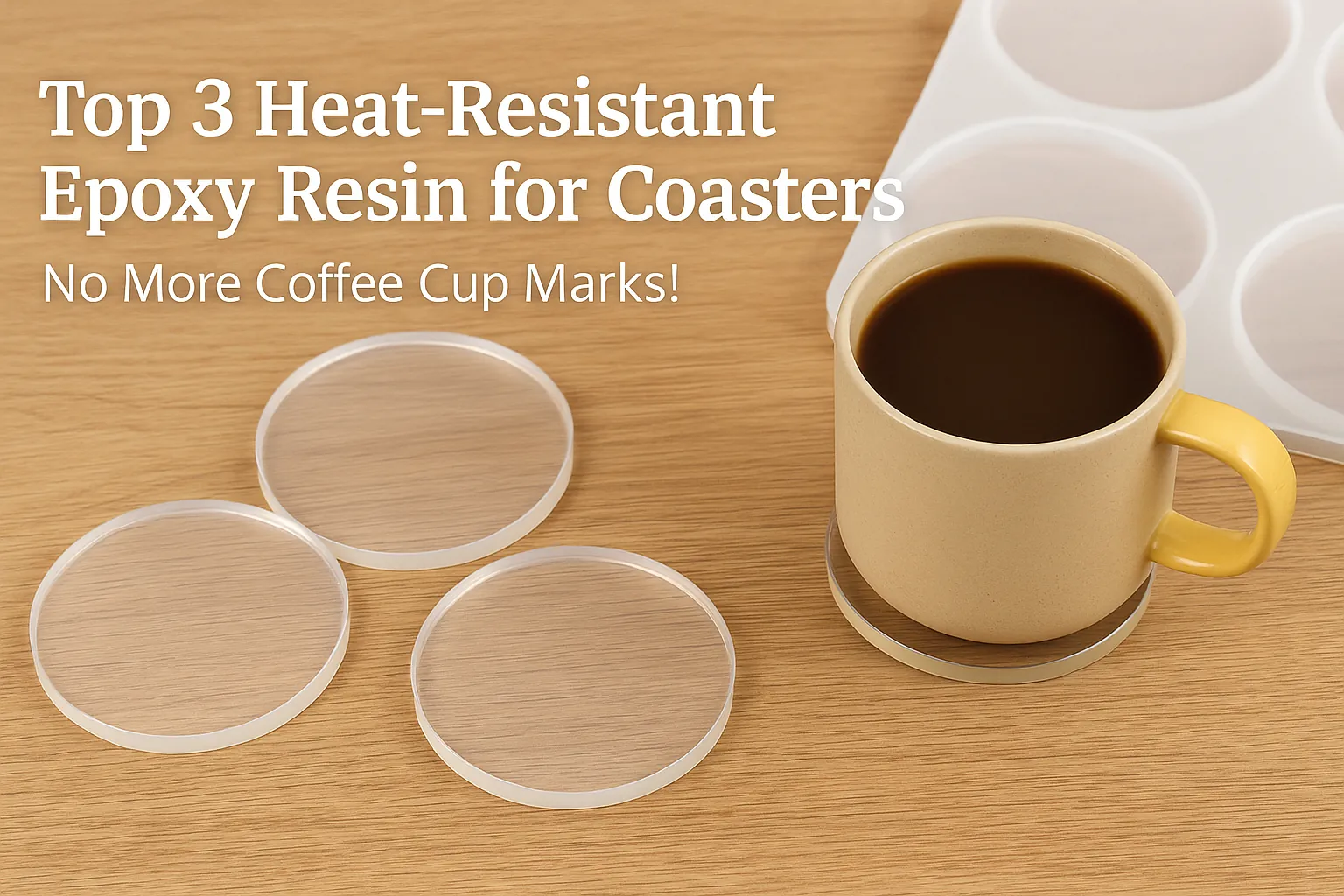
Heat-resistant epoxy resin for coasters is essential if you’re tired of seeing cup rings or soft spots from hot coffee mugs. Many first-time DIYers discover this the hard way—standard epoxy simply can’t handle heat over 120°C (248°F), which most mugs easily reach.
Looking for the best epoxy resin for coasters? Whether you’re new to resin crafts or just want a product that won’t crack or bubble—this guide explains everything you need in simple, clear language. We’ve tested top-rated formulas perfect for making heat-resistant, high-gloss resin coasters at home.
Looking for the best epoxy resin for wood crafts? Whether you’re crafting jewelry boxes, making live-edge tables, or pouring custom coasters—your resin choice directly affects clarity, curing, and finish. This expert guide shows you what to look for, compares top models, and offers pro-level tips.

If you’re wondering how to polish epoxy resin to a high gloss, you’re in the right place.
Below is a field‑tested workflow that turns a slightly hazy surface into a mirror‑like finish—fast, repeatable, and beginner‑friendly.
If your epoxy resin still sticky after hours—or even days—you’re not alone.
I remember my first big resin pour on a walnut tabletop: it looked like liquid glass under the shop lights,
but the next morning it was tacky, leaving fingerprints. Let’s look at why epoxy resin still sticky
happens and, more importantly, how to fix it so you get a crystal‑clear, rock‑hard finish every time.