
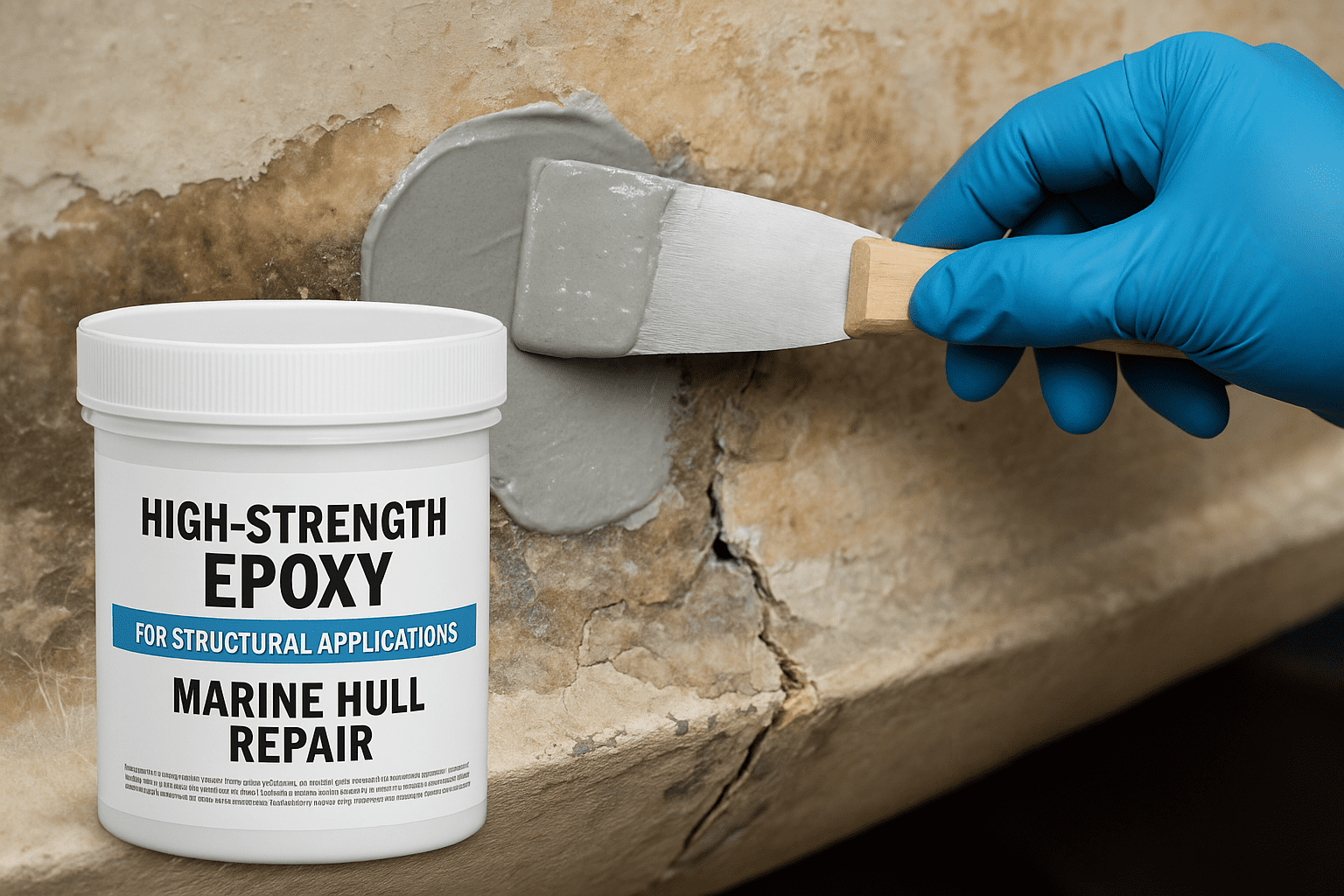
Fiberglass boat hulls are widely used in marine applications due to their strength and lightweight properties. However, when damaged by impacts, stress, or weathering, selecting the right material for repair is crucial. High-strength epoxy resin for hull repair offers superior bonding, chemical resistance, and durability compared to polyester resins. This article provides a professional yet practical guide for shipyards, marine repair technicians, and contractors.
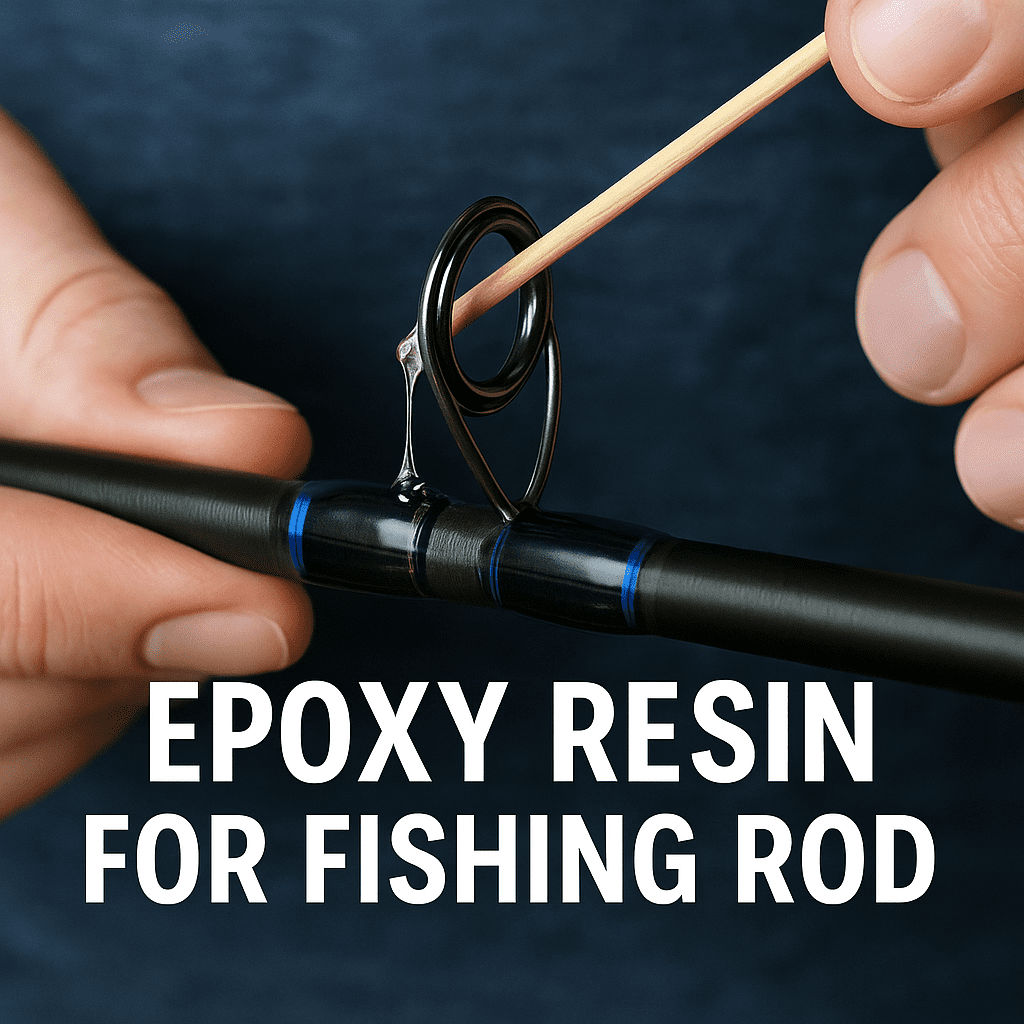
If you build or repair fishing rods, the epoxy resin you use can make or break your project. From securing guide wraps to coating decorative thread, the right resin needs to be crystal clear, UV-resistant, and easy to apply. This article walks you through what makes an ideal epoxy resin for fishing rods and how to get professional results, even as a DIYer.
Cold shop? Here’s how to get a full cure without compromising clarity or strength.
If your epoxy resin still sticky after hours—or even days—you’re not alone.
I remember my first big resin pour on a walnut tabletop: it looked like liquid glass under the shop lights,
but the next morning it was tacky, leaving fingerprints. Let’s look at why epoxy resin still sticky
happens and, more importantly, how to fix it so you get a crystal‑clear, rock‑hard finish every time.
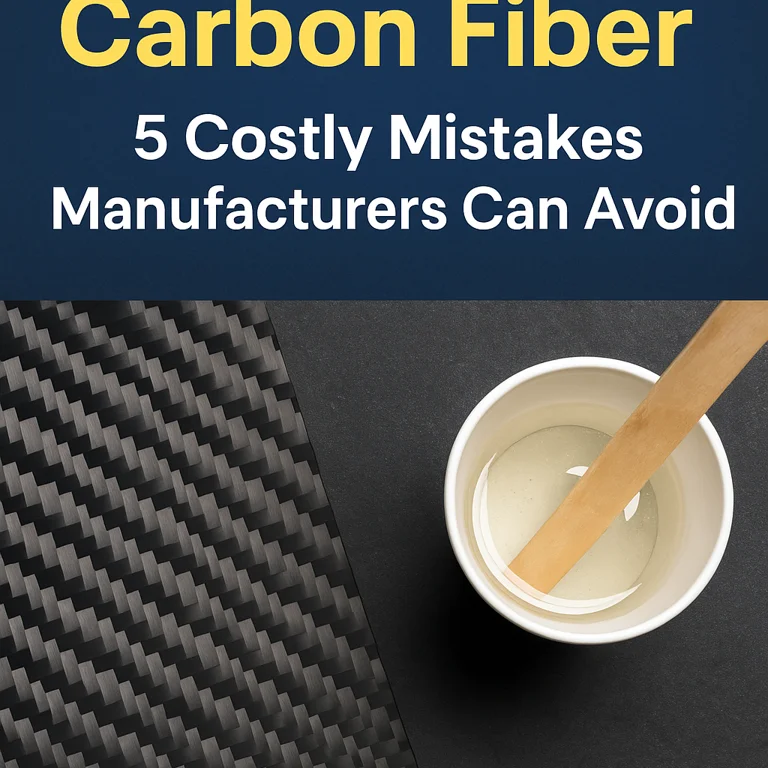
Choosing the right epoxy resin for carbon fiber can make or break your product quality. Whether you’re working on aerospace panels, performance bikes, or car interiors, using the wrong resin can lead to delamination, cloudiness, or worse—product failure.
In this guide, we’ll walk through common mistakes manufacturers make when selecting epoxy resin for carbon fiber, and how to avoid them using industry-tested formulas like 212AB, 4212AB, and 4010AB.
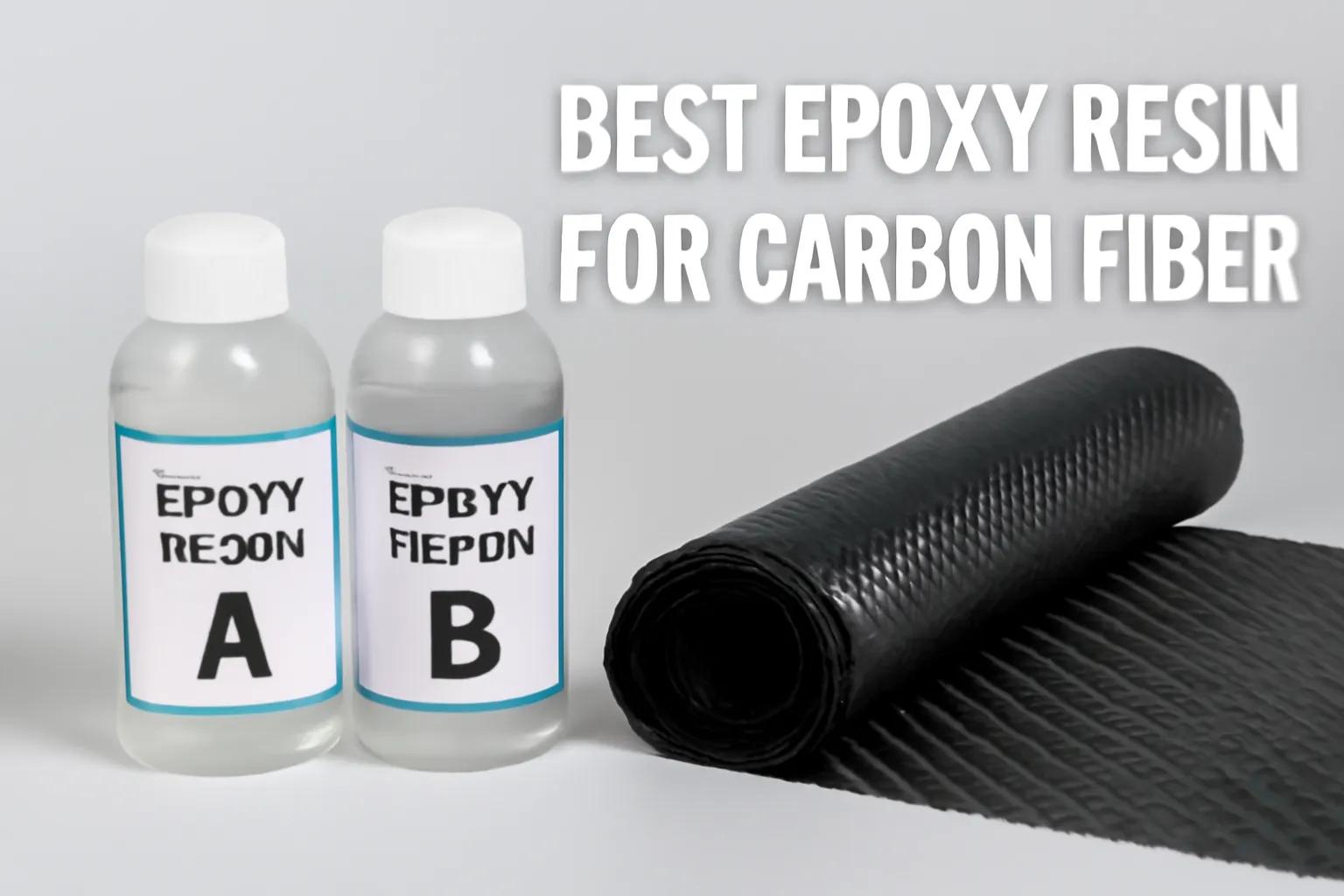
When it comes to carbon fiber reinforcement, choosing the best epoxy resin for carbon fiber is crucial. The right epoxy resin not only strengthens the material but also ensures its durability under extreme conditions. Whether you are working with automotive parts, aerospace components, or industrial products, the choice of resin plays a significant role in enhancing performance. Let’s explore how to choose the best epoxy resin that will strengthen your carbon fiber project and improve its longevity.
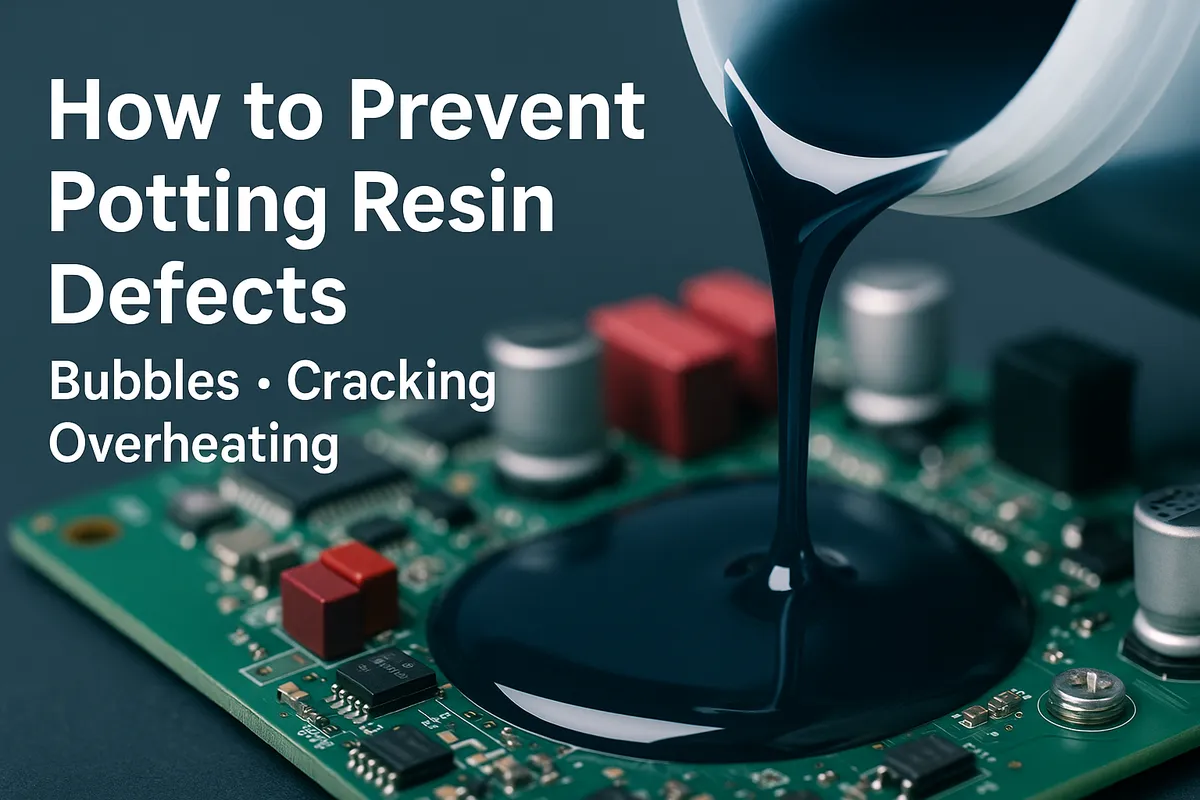
Potting resin defects can lead to real damage—both to your components and your brand. Whether you’re potting LED strips, PCBs, or power supplies, knowing how to prevent bubbles, thermal buildup, and cracking is critical.
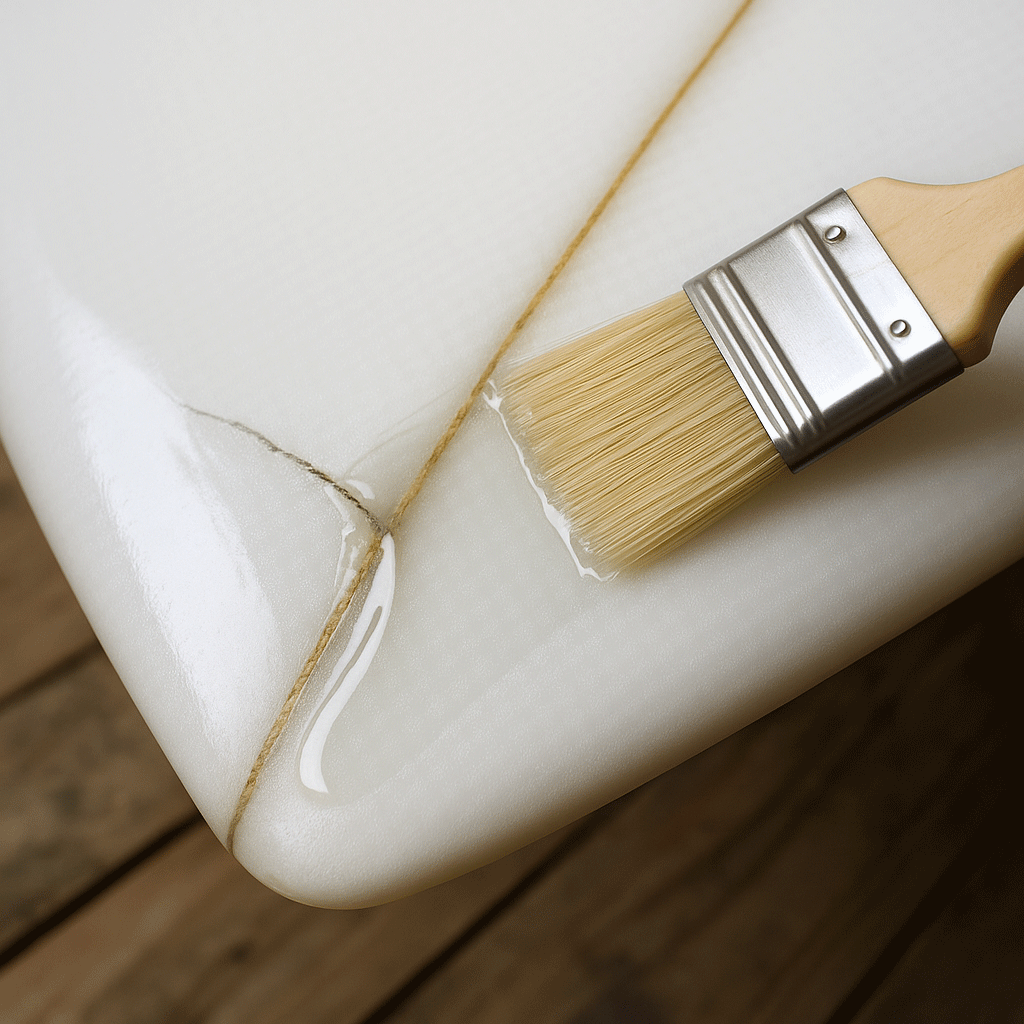
Surfboard Crack Repair Tips: How to Waterproof & Reinforce with Epoxy Resin There’s nothing worse than finding a crack in your surfboard just before a perfect swell rolls in. But don’t panic — not every ding means your board’s toast. With a bit of clear epoxy resin, some sandpaper, and a few simple tools, you […]
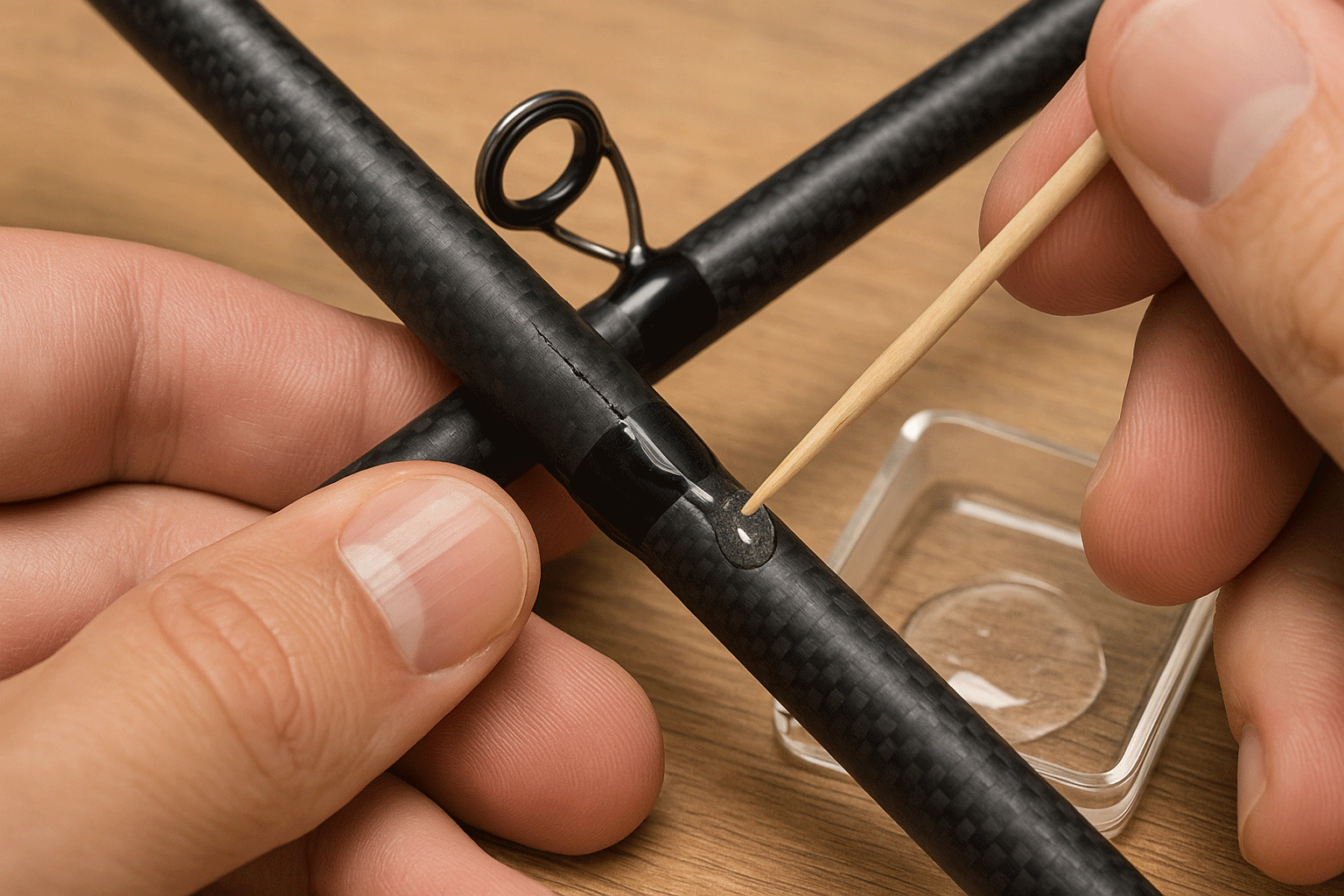
Fishing Rod Repair DIY: How Epoxy Resin Restores Outdoor Gear There’s something deeply satisfying about fixing your own gear — especially something like a fishing rod, which often carries not just function but memories. A snapped guide or a cracked joint doesn’t mean the rod is done for. With the right type of epoxy resin, […]

A versatile two-component adhesive used in many industries, AB glue has excellent bonding abilities but may present challenges and drawbacks that limit its performance across sectors. Here we explore strategies and practical solutions that may improve its functionality to maximize efficiency across numerous fields. Overview of AB glue AB glue is a two-component adhesive typically […]