

Cold shop? Here’s how to get a full cure without compromising clarity or strength.
If your epoxy resin still sticky after hours—or even days—you’re not alone.
I remember my first big resin pour on a walnut tabletop: it looked like liquid glass under the shop lights,
but the next morning it was tacky, leaving fingerprints. Let’s look at why epoxy resin still sticky
happens and, more importantly, how to fix it so you get a crystal‑clear, rock‑hard finish every time.
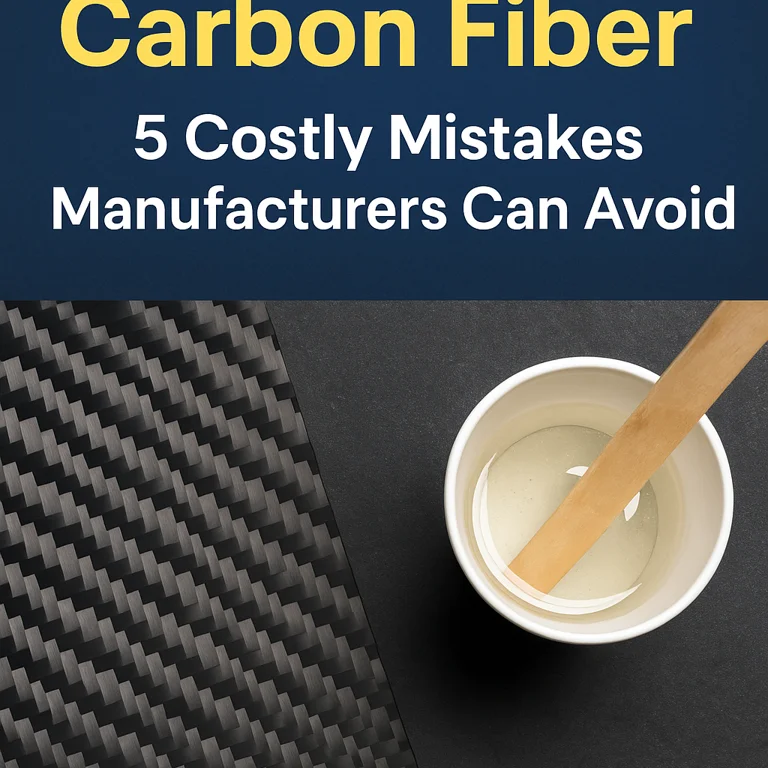
Choosing the right epoxy resin for carbon fiber can make or break your product quality. Whether you’re working on aerospace panels, performance bikes, or car interiors, using the wrong resin can lead to delamination, cloudiness, or worse—product failure.
In this guide, we’ll walk through common mistakes manufacturers make when selecting epoxy resin for carbon fiber, and how to avoid them using industry-tested formulas like 212AB, 4212AB, and 4010AB.
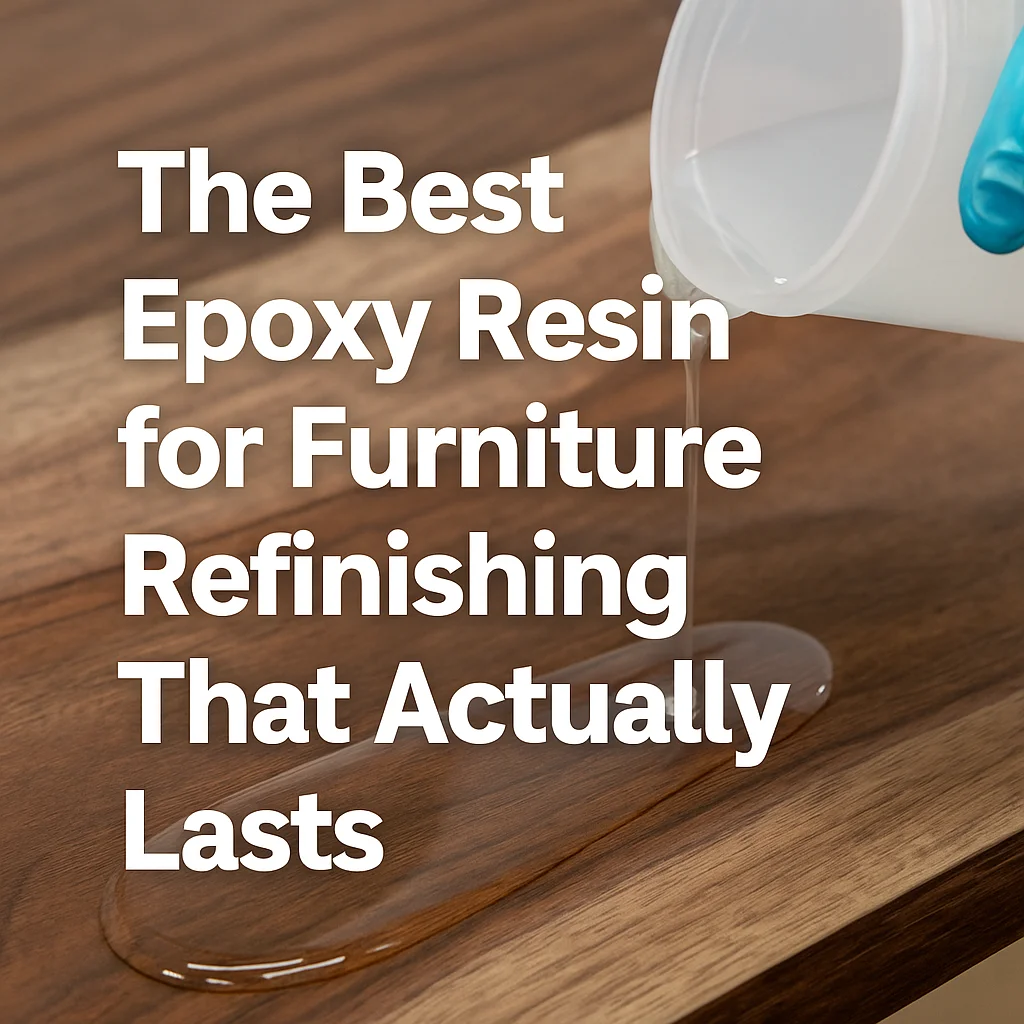
You’ve spent hours sanding, staining, and refinishing that old table or vintage cabinet. It looks amazing for the first few months—but then the surface begins to dull, crack, or yellow. Sound familiar?
This is one of the most common complaints we hear from both furniture makers and restoration professionals. The culprit? Often, it’s the wrong coating choice—or worse, skipping protective coating altogether.
If you want your refinished furniture to last for years—not just a season—a high-performance epoxy resin for furniture refinishing can be the game-changer.
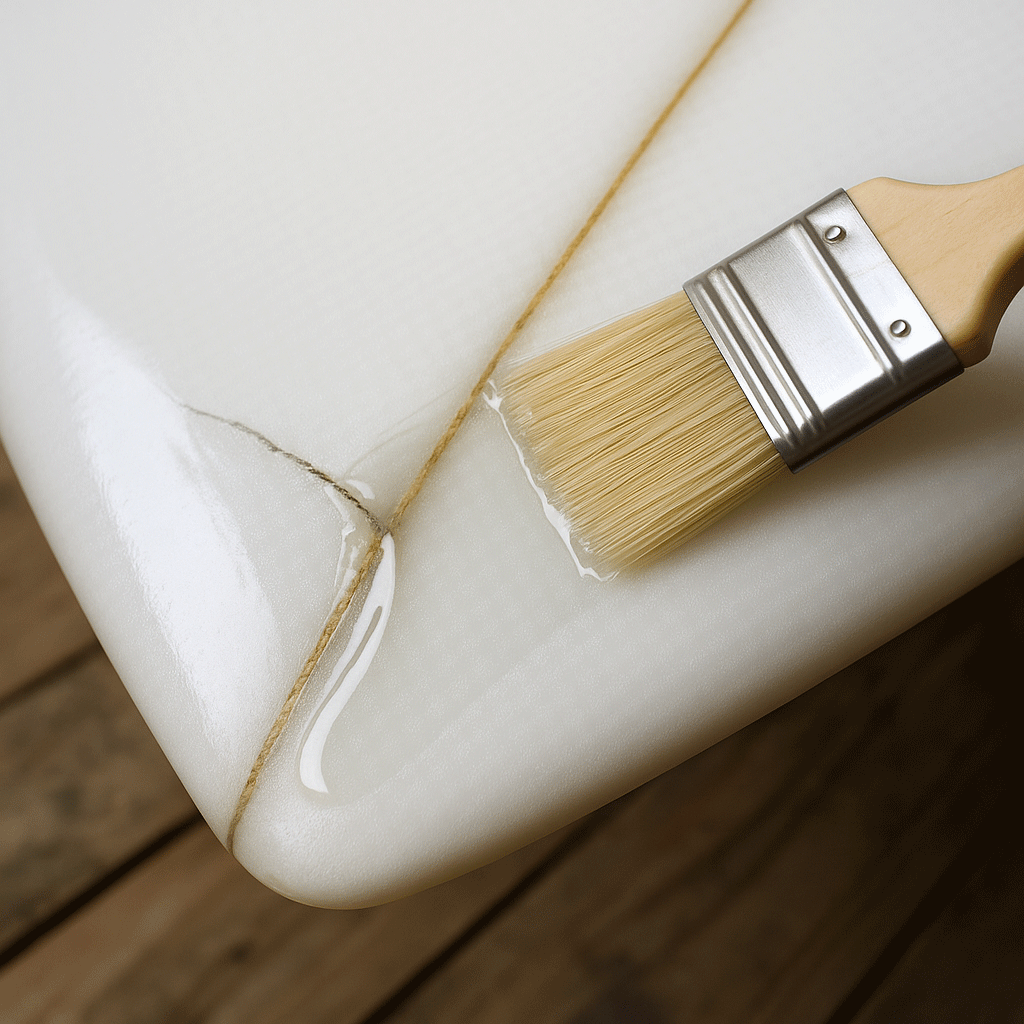
Surfboard Crack Repair Tips: How to Waterproof & Re […]
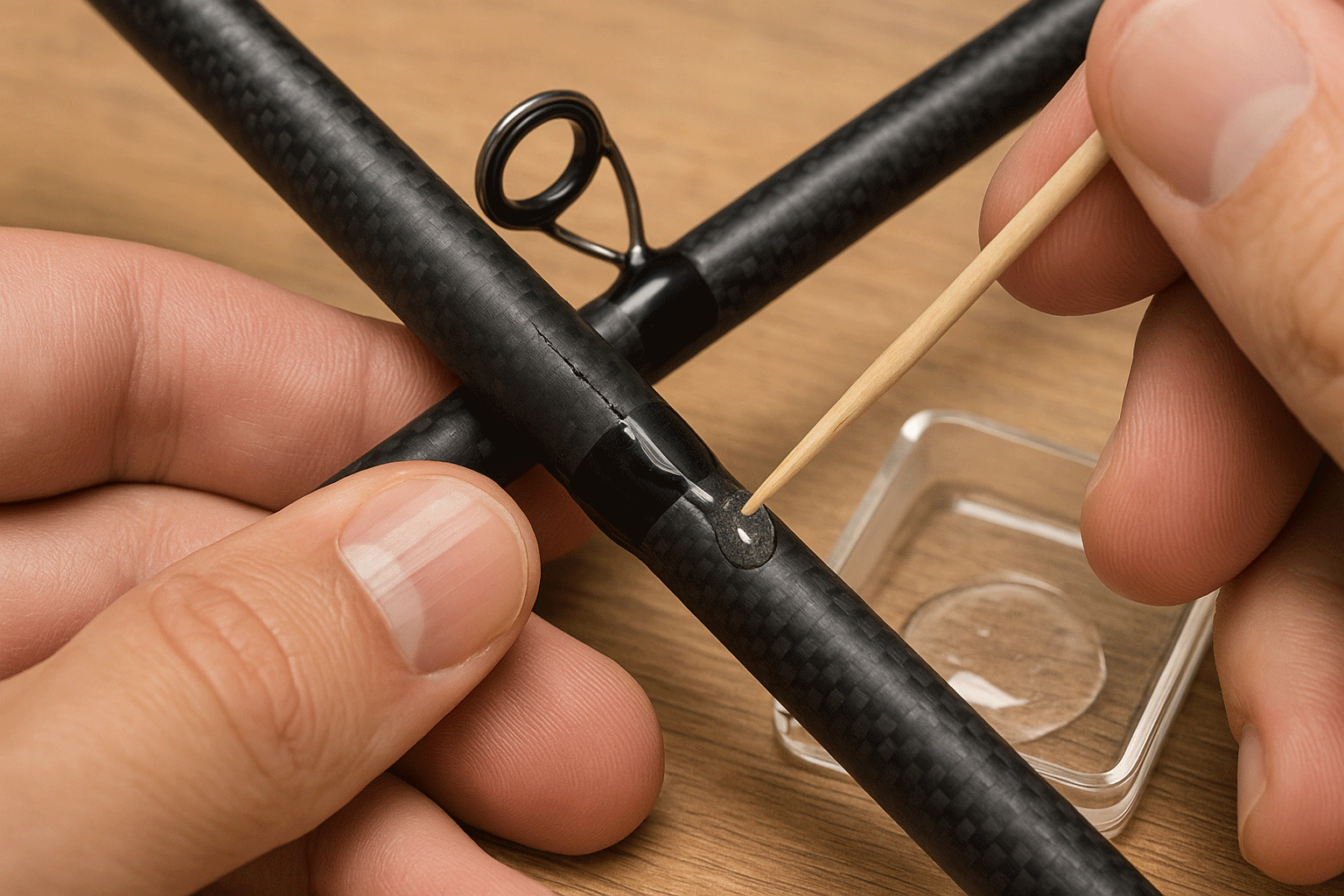
Fishing Rod Repair DIY: How Epoxy Resin Restores Outdoo […]
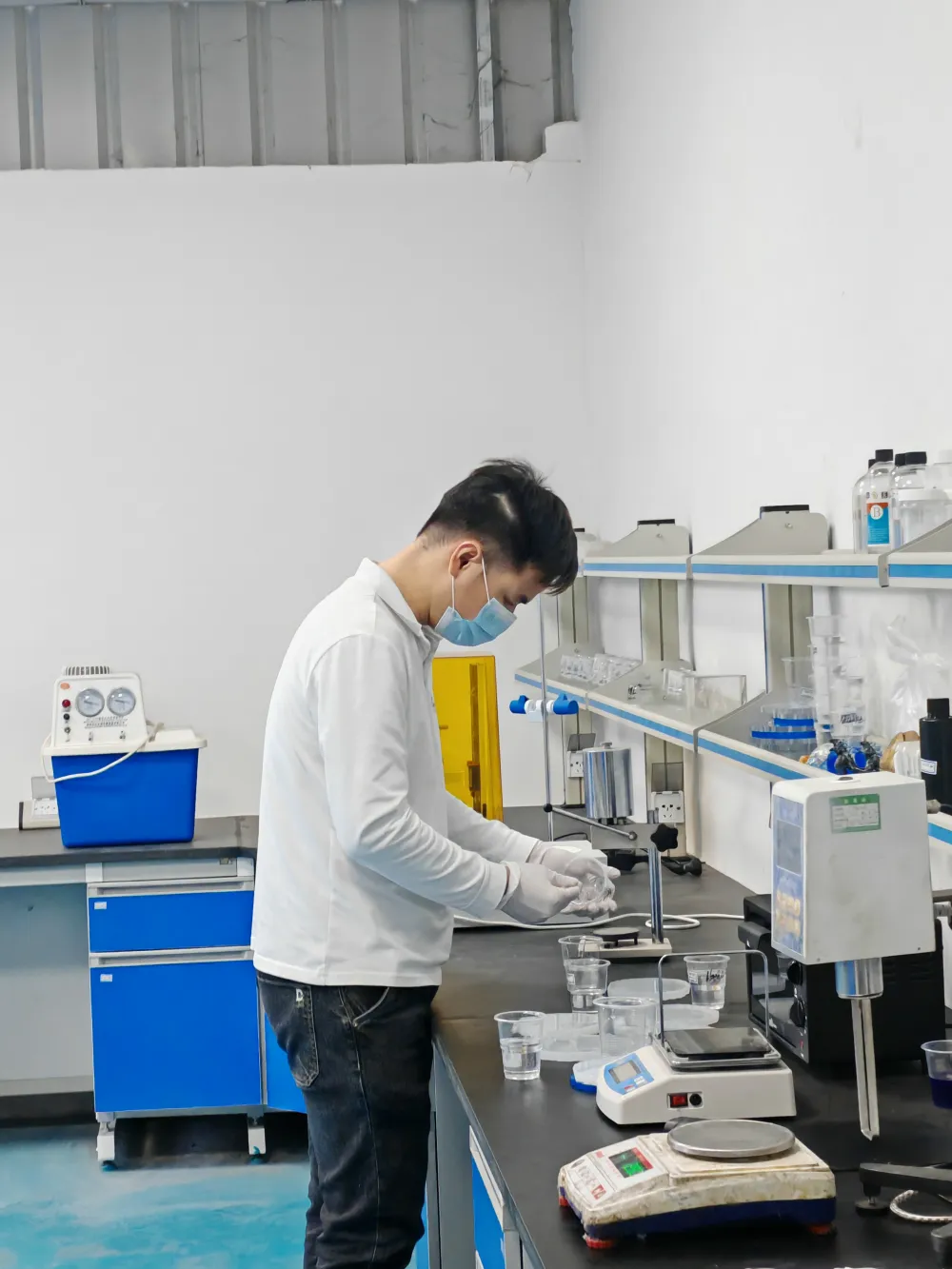
A versatile two-component adhesive used in many industr […]
An AB adhesive is a two-component glue made up of A age […]
Manufacturers often prioritize storage costs and qualit […]
An Overview of Automotive Coatings Industry Auto […]
- 1
- 2