
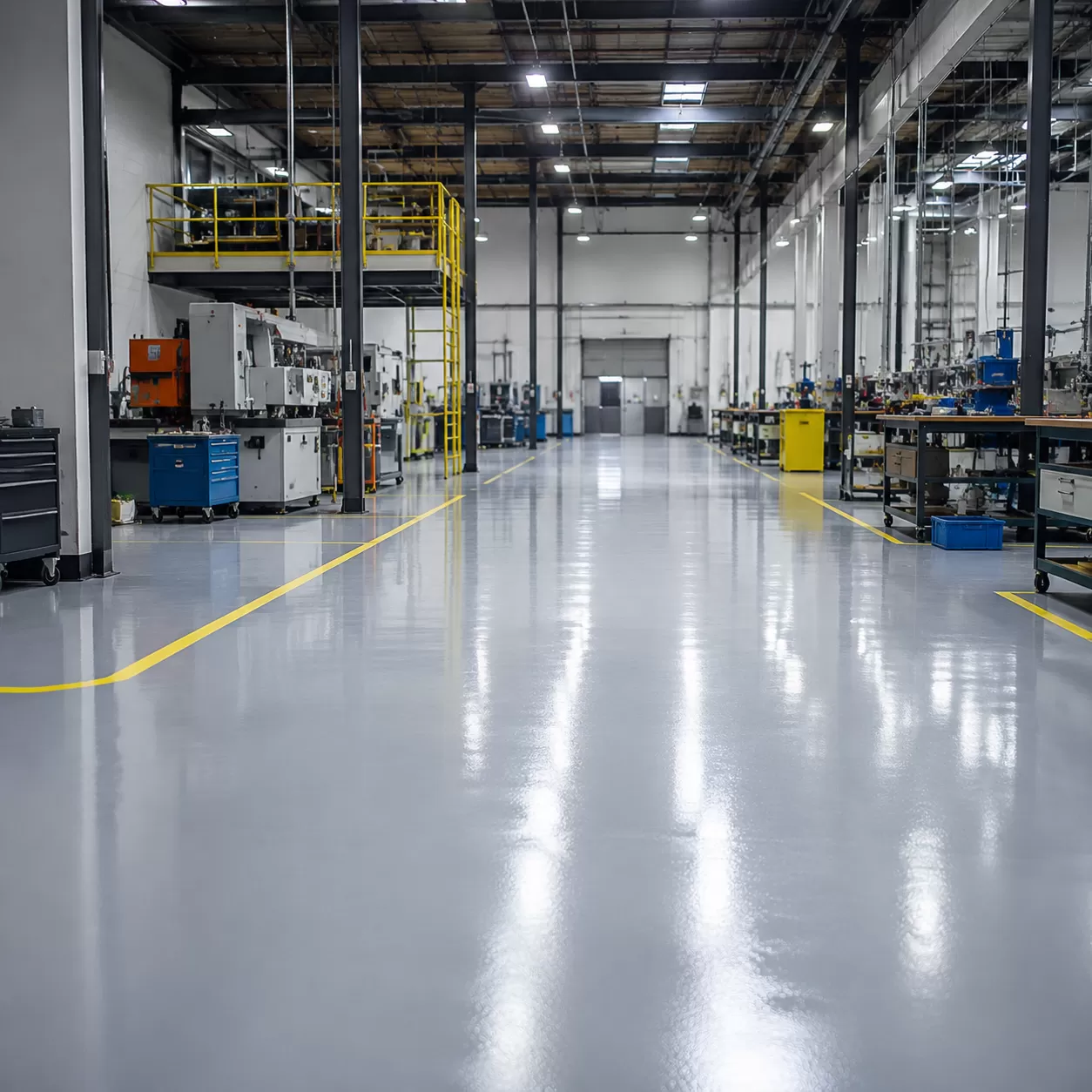
Industrial epoxy flooring and epoxy floor coating for factories with chemical resistance durability hygiene and cost saving solutions

Cold shop? Here’s how to get a full cure without compromising clarity or strength.
If your epoxy resin still sticky after hours—or even days—you’re not alone.
I remember my first big resin pour on a walnut tabletop: it looked like liquid glass under the shop lights,
but the next morning it was tacky, leaving fingerprints. Let’s look at why epoxy resin still sticky
happens and, more importantly, how to fix it so you get a crystal‑clear, rock‑hard finish every time.

Epoxy resin for flooring is one of the most popular choices for commercial and industrial surfaces. But when contractors run into problems like bubbling, peeling, or slow curing, it often traces back to product mismatch or poor prep.
In this guide, we’ll walk through six common flooring issues—and show you how to avoid them using the right epoxy resin for flooring.

You’ve got the orders. The market demand is real. You’re ready to scale your workshop or factory. But then… things start to go wrong:
Your product warps after curing
The surface turns yellow in just a few weeks
Customers complain, returns pile up, and margins shrink
Cheap or mismatched resin can quietly sabotage your business. We’ve seen it happen more than once.
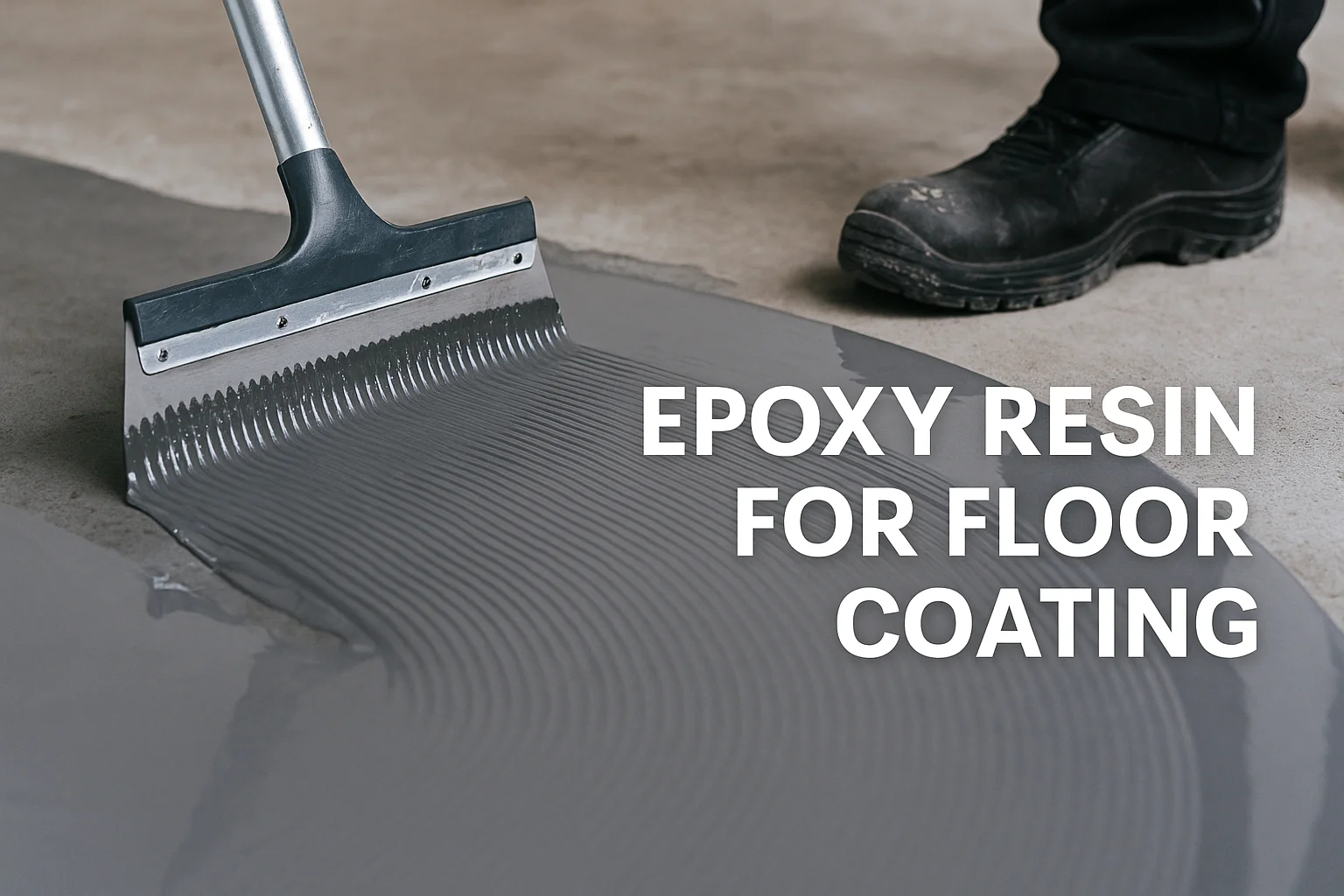
Epoxy resin for floor coating is more than just a finishing touch — it’s your shield against time, wear, and visual decay. Whether you’re managing an industrial plant or crafting a 3D art masterpiece underfoot, choosing the right floor resin matters.

Epoxy for 3D floor art isn’t just about appearance — it’s about performance. From hotel lobbies to home murals, you need a resin that flows evenly, resists yellowing, and handles daily wear. Enter 2119AB-5, our professional-grade formula built to make your vision last.
A versatile two-component adhesive used in many industr […]
An AB adhesive is a two-component glue made up of A age […]
Manufacturers often prioritize storage costs and qualit […]
- 1
- 2