
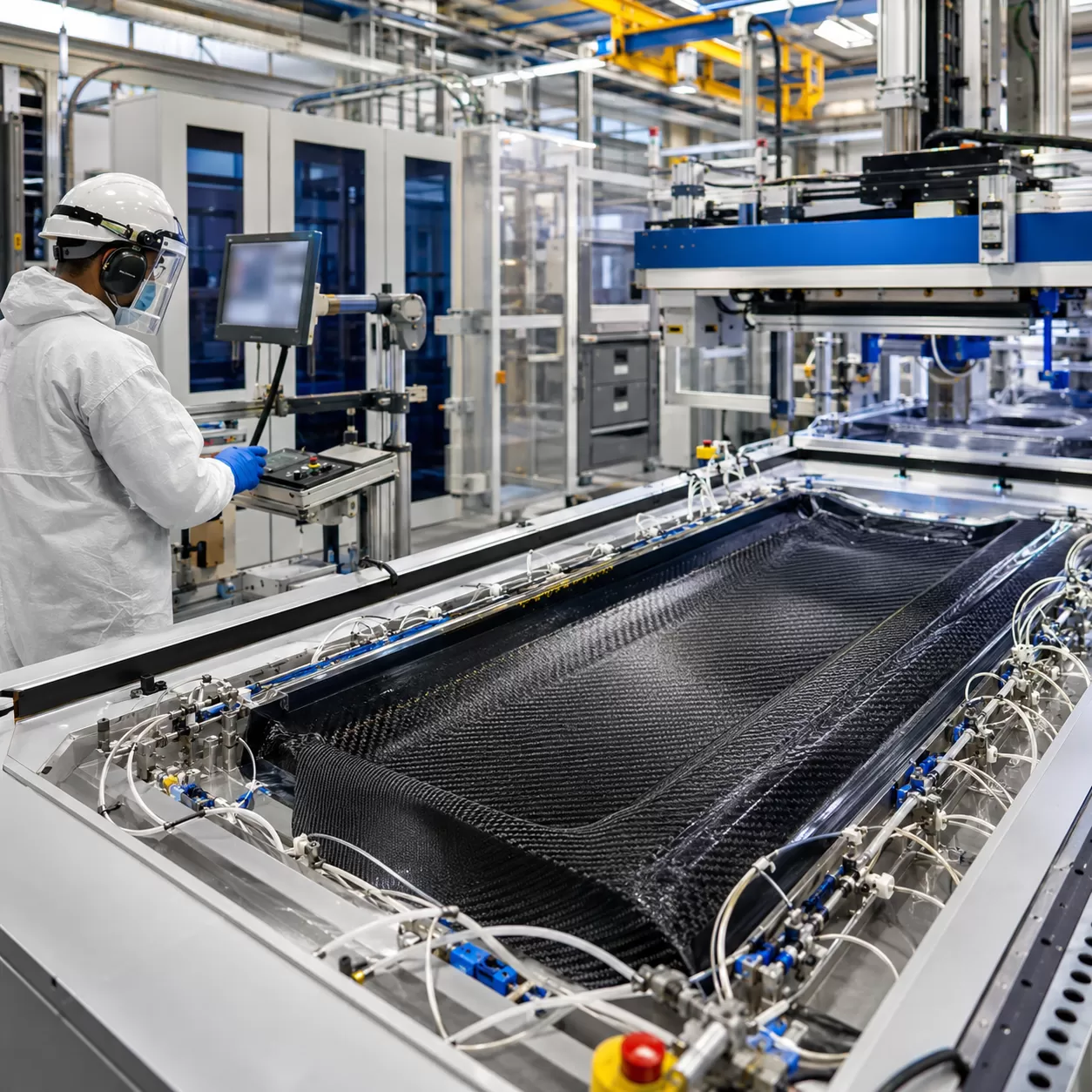
Comprehensive guide to Resin Transfer Molding RTM carbon fiber manufacturing process systems resins mold design quality and efficiency
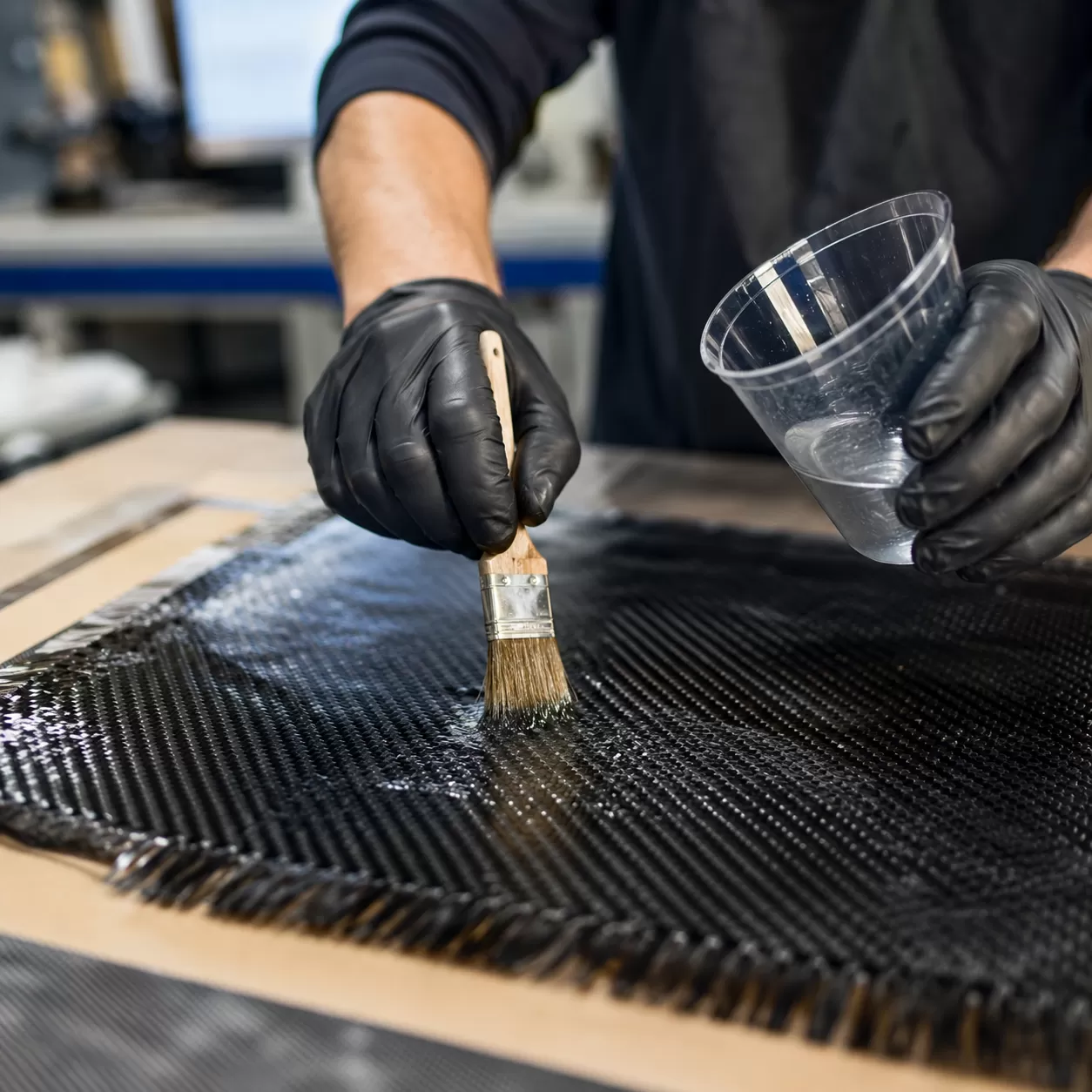
In depth guide to hand layup carbon fiber and wet layup epoxy resin covering process steps resin selection quality control and cost optimization
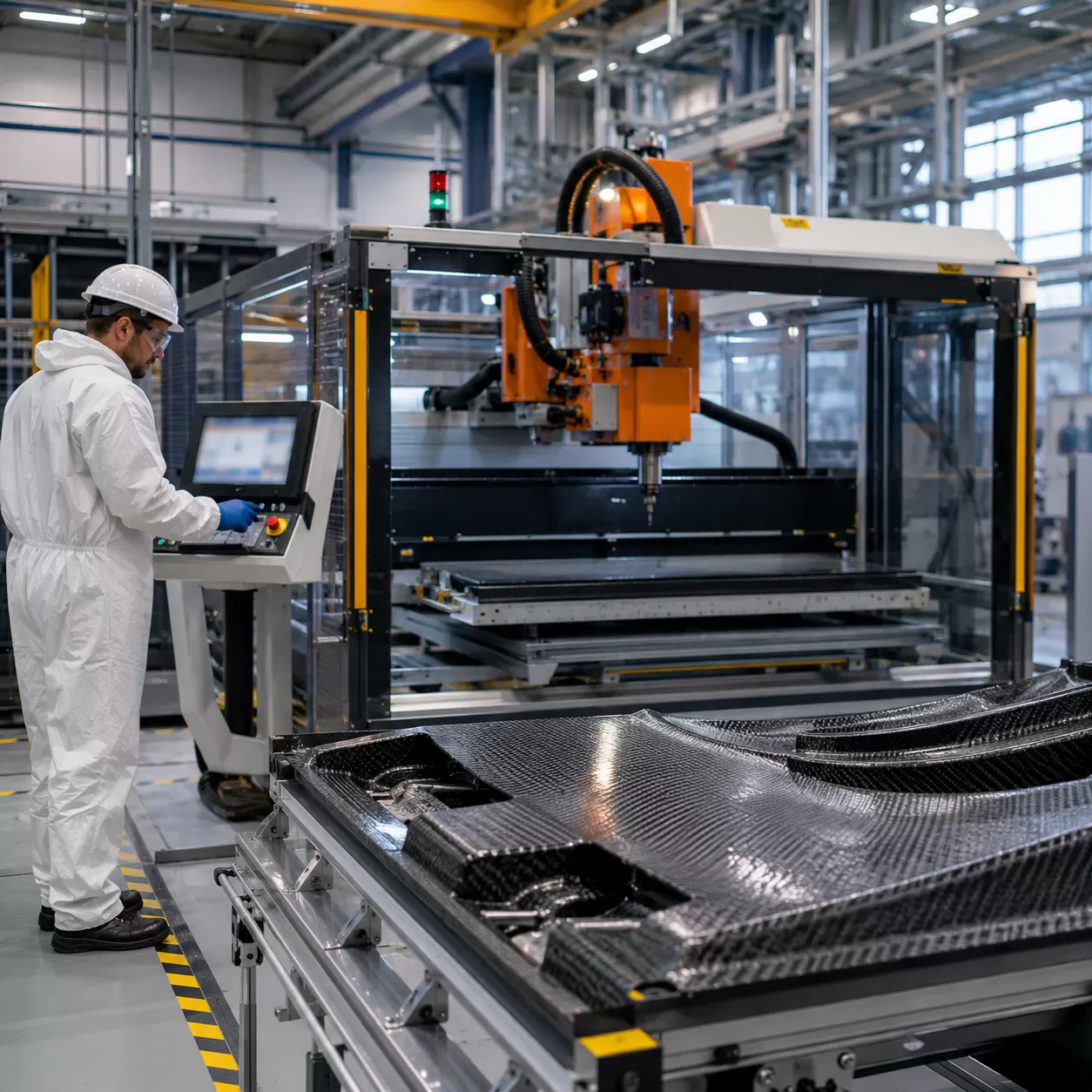
Learn carbon fiber composite materials and CFRP manufacturing basics properties resins applications and smart sourcing get free white paper
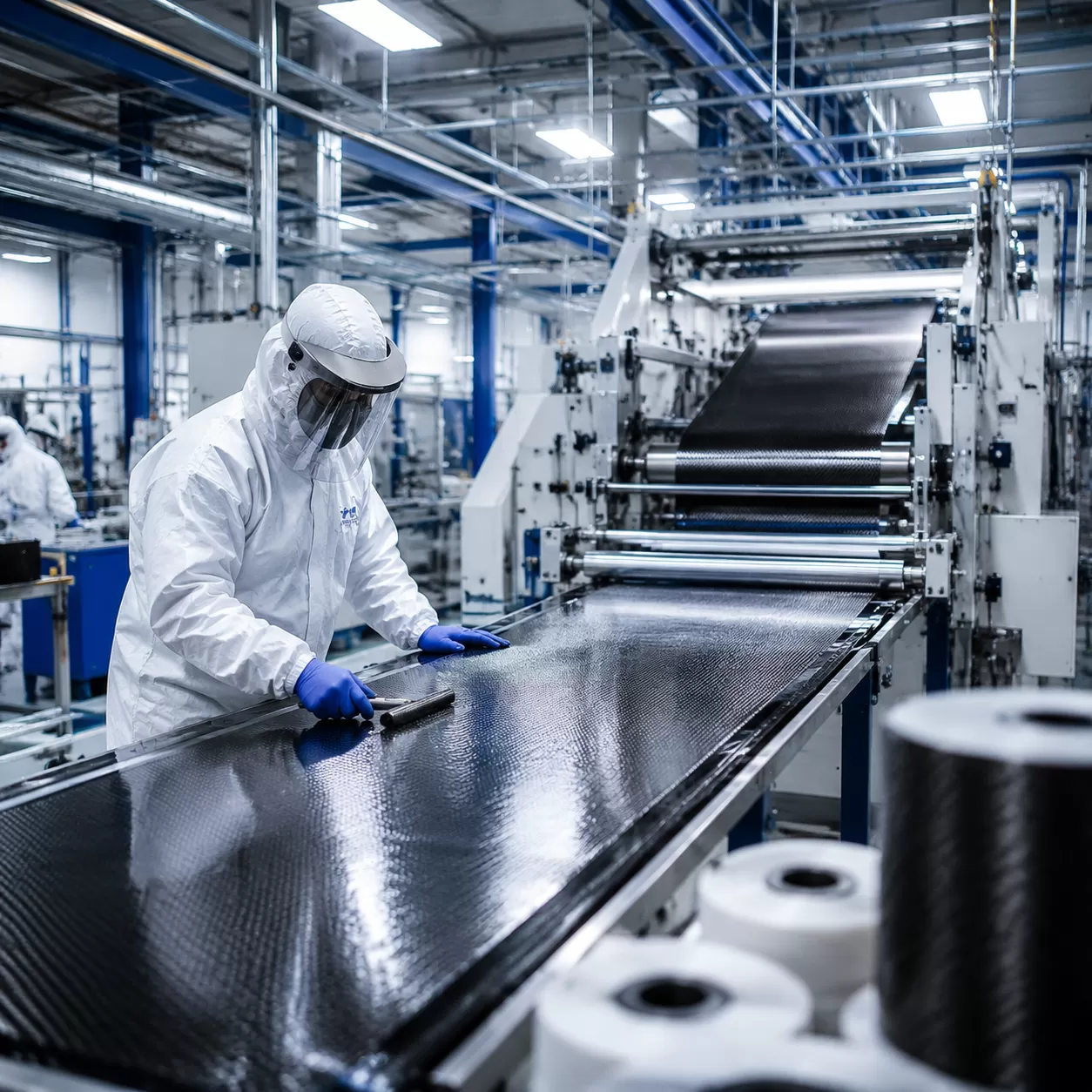
Epoxy resin for carbon fiber and composite resin manufacturing solutions for bicycles surfboards aerospace quality cost and performance
Why Low Odor Resin Matters for Indoor Projects Choosing […]
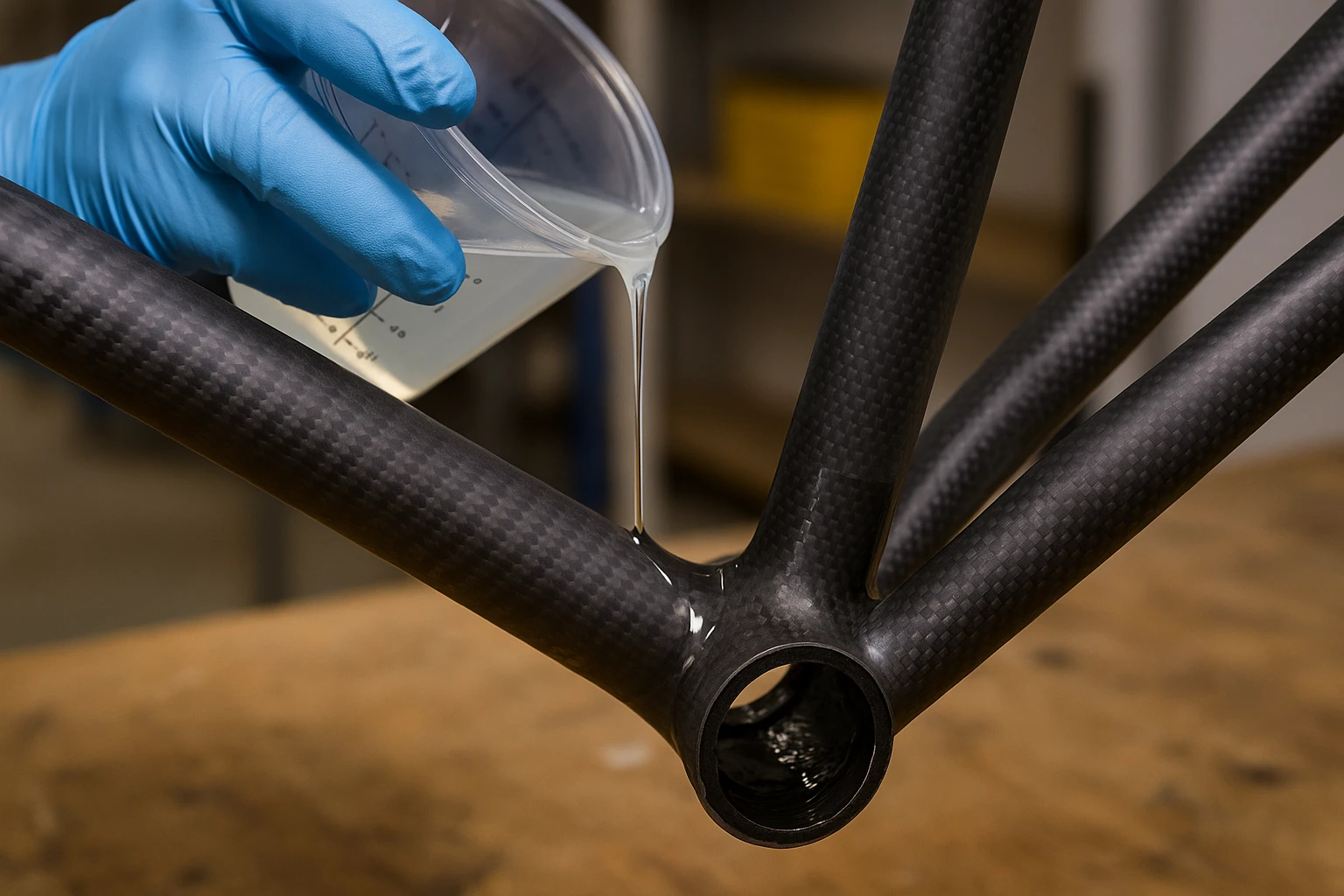
In carbon fiber bicycle frames, resin isn’t just what holds the fibers together—it defines the ride. From sprint stiffness to long-distance comfort, the epoxy matrix governs how the frame responds to real-world load cases.
If you’re manufacturing carbon frames—whether road, gravel, or MTB—your choice of epoxy directly affects:

In the world of trekking poles, every gram matters—but not at the cost of strength. Whether you’re manufacturing poles for alpine climbers, thru-hikers, or weekend trail runners, your composite layup and adhesive system have to strike the right balance: lightweight, durable, and weatherproof.

In the world of modern electronics, reliability and protection are paramount. Devices are expected to operate in increasingly harsh environments—high humidity, mechanical shock, temperature extremes, and chemical exposure. Whether you’re manufacturing LED drivers, sensors, PCBs, or industrial control systems, epoxy resin plays a critical role in safeguarding components through potting, conformal coating, and encapsulation.

Fishing rods today are engineered to be lighter, stronger, and more responsive than ever. Whether used in sport fishing, fly casting, or offshore trolling, modern rods rely on advanced composite materials for superior strength-to-weight ratios. At the heart of these innovations lies epoxy resin—a critical component in both the structural layup and finishing of fishing rods.
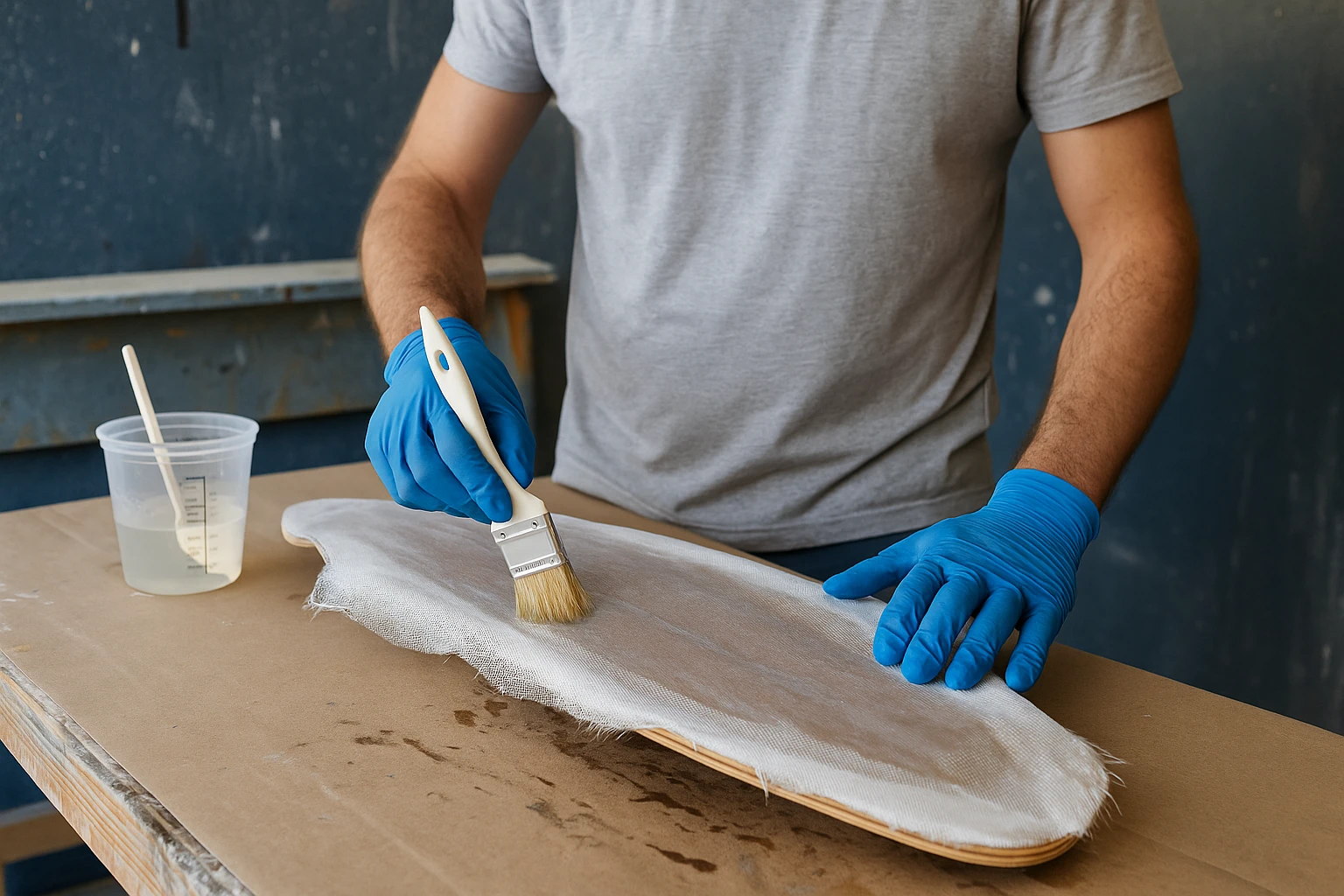
Skateboards are no longer just seven layers of maple wood glued together. Today’s performance-driven skate decks integrate composite materials, advanced adhesives, and structural optimization. At the center of this evolution is epoxy resin—an essential ingredient for enhancing board strength, durability, and responsiveness.