
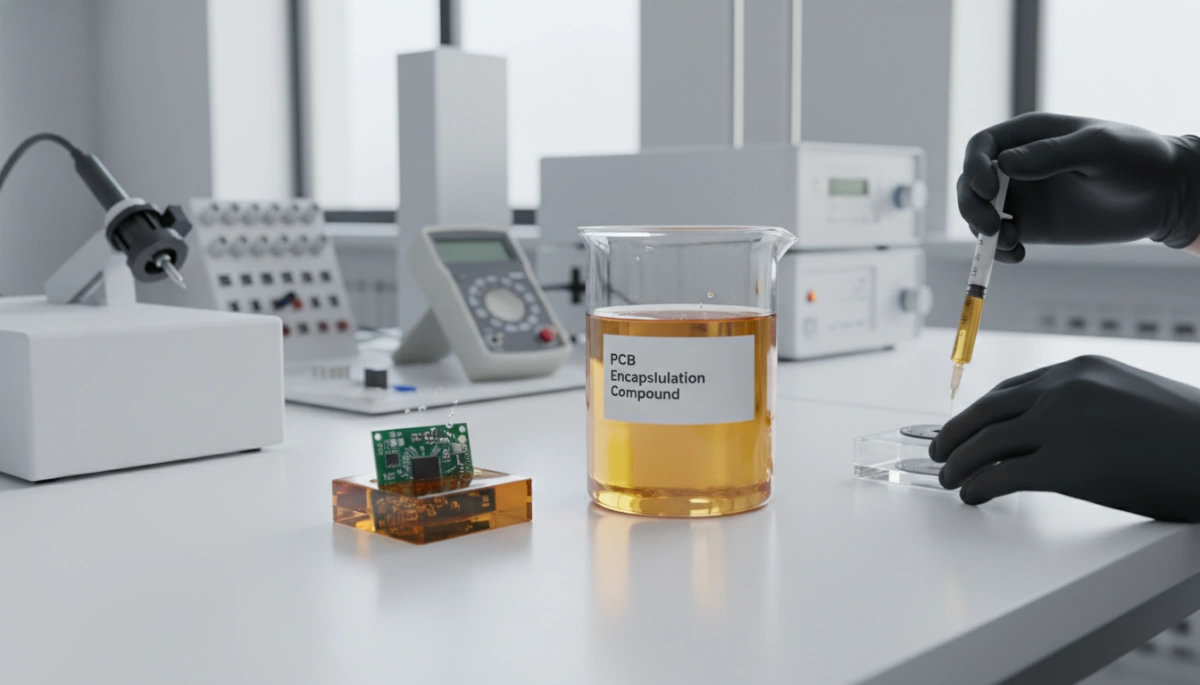
Epoxy potting compound for PCB with high heat resistance flame retardancy and reliable curing for durable PCB epoxy encapsulation resin solutions
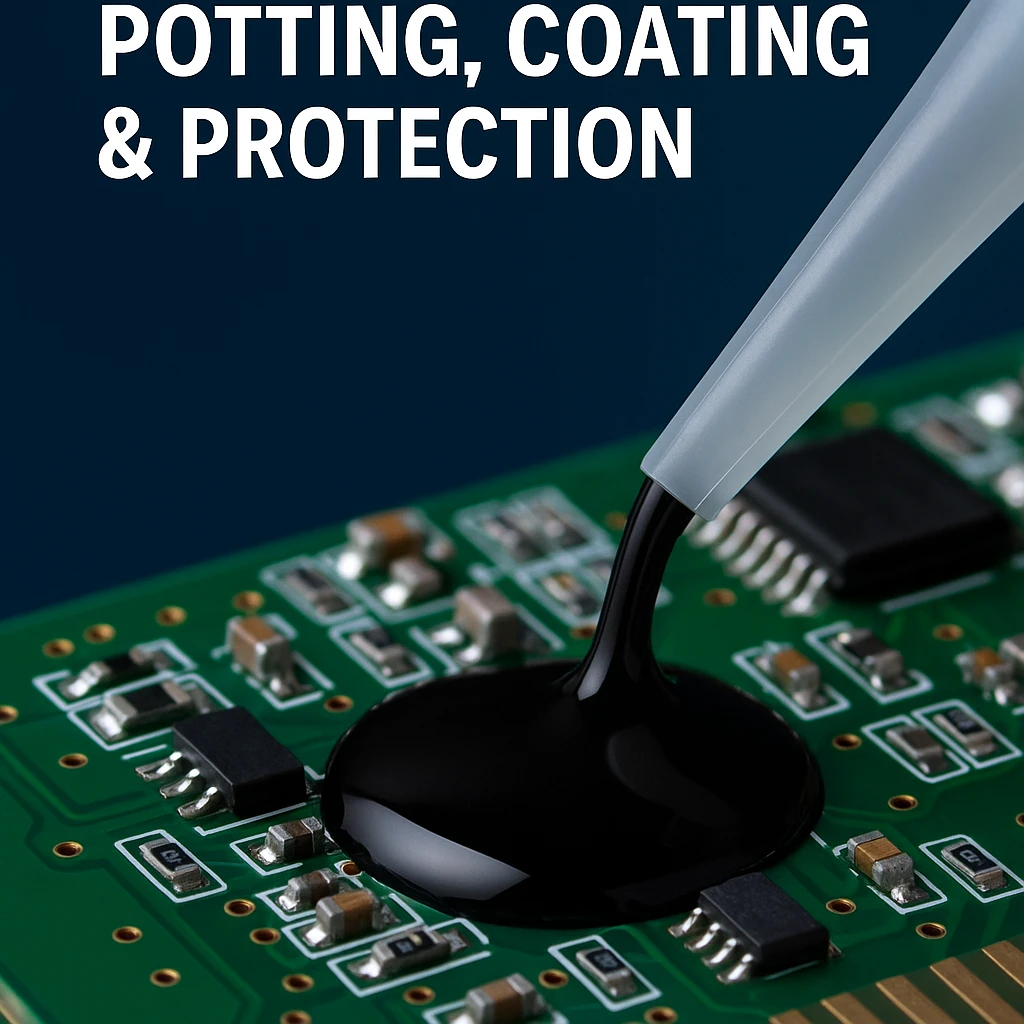
In the world of modern electronics, reliability and protection are paramount. Devices are expected to operate in increasingly harsh environments—high humidity, mechanical shock, temperature extremes, and chemical exposure. Whether you’re manufacturing LED drivers, sensors, PCBs, or industrial control systems, epoxy resin plays a critical role in safeguarding components through potting, conformal coating, and encapsulation.
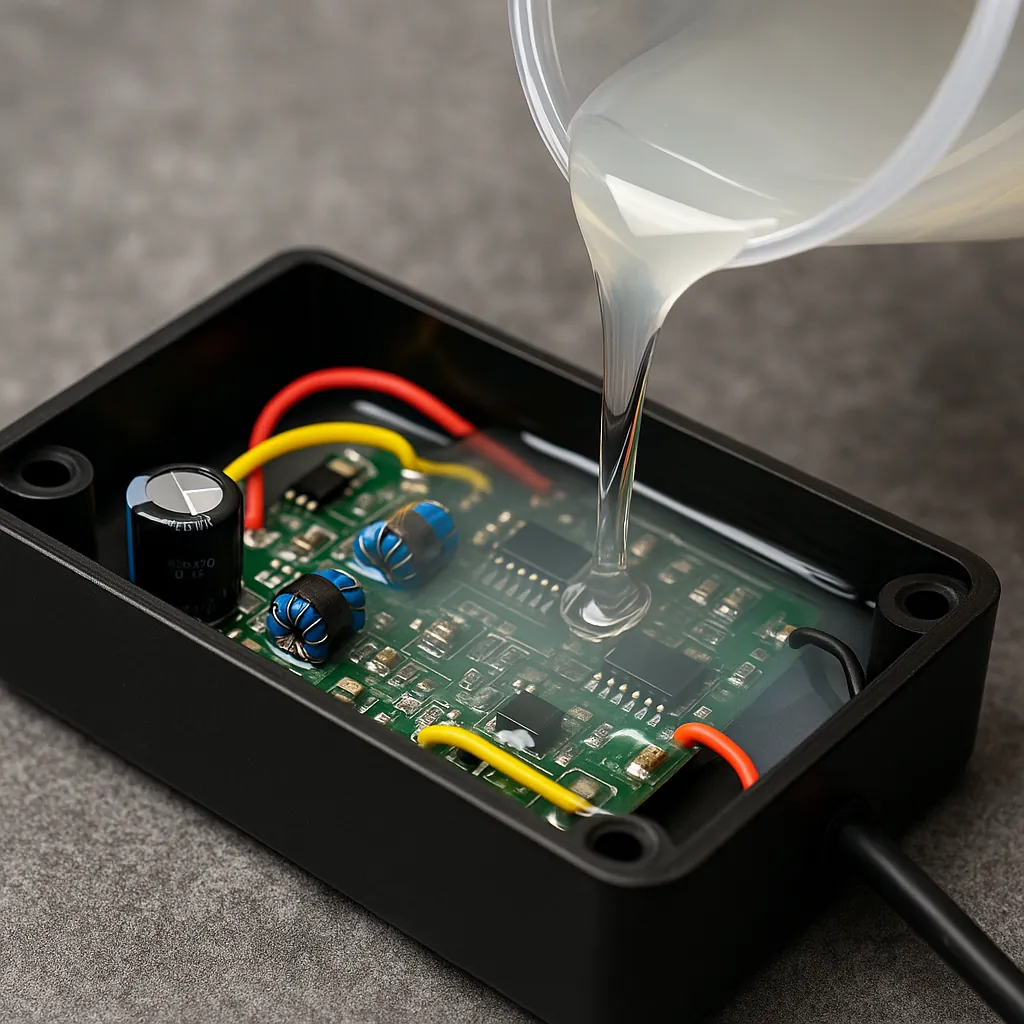
Epoxy resin offers a robust and durable solution for protecting electronic components from moisture, dust, mechanical shock, and thermal stress. Unlike silicone or polyurethane, epoxy delivers higher adhesion and rigidity, making it ideal for applications where strength and long-term performance are critical.

Cold shop? Here’s how to get a full cure without compromising clarity or strength.
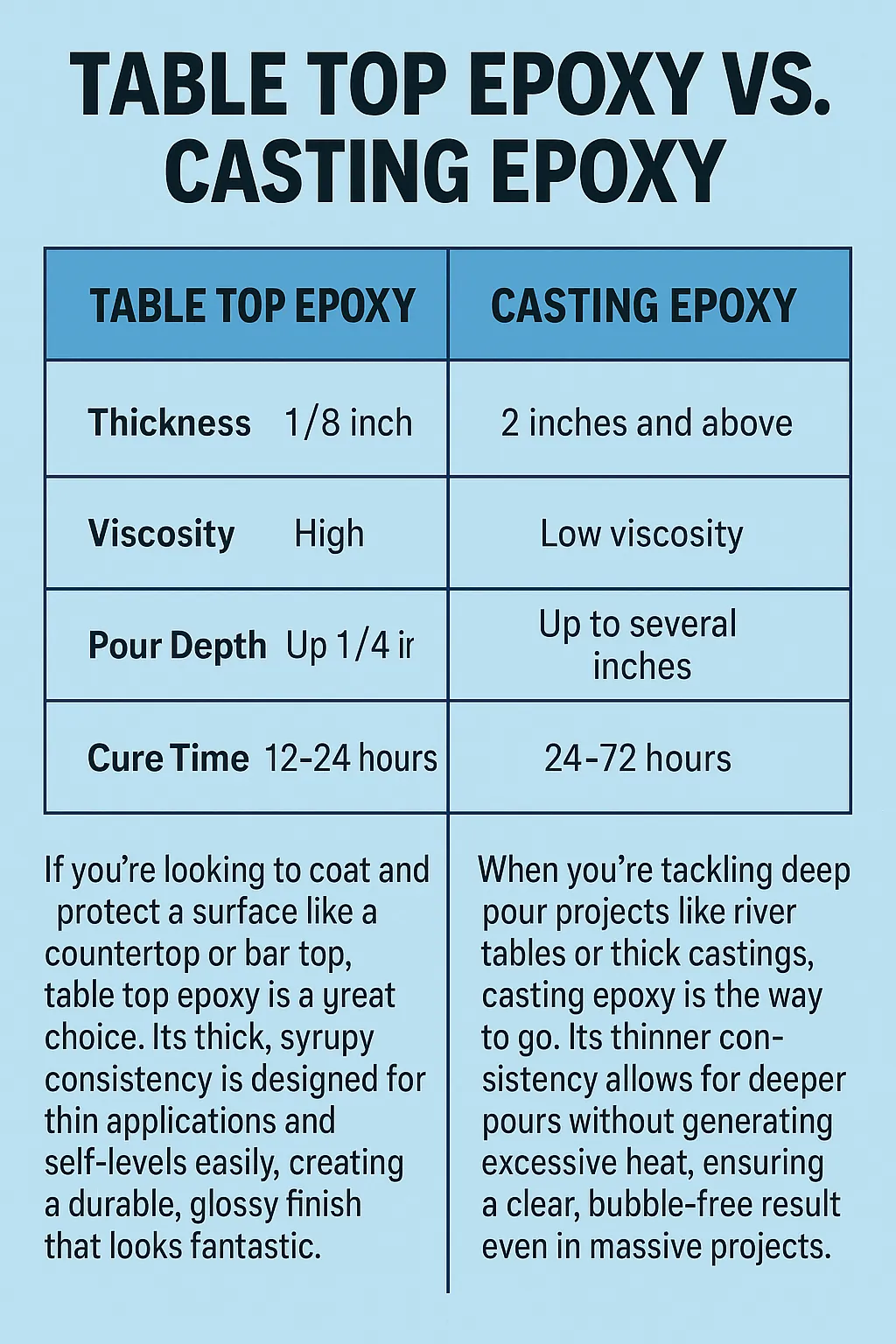
If your epoxy resin still sticky after hours—or even days—you’re not alone.
I remember my first big resin pour on a walnut tabletop: it looked like liquid glass under the shop lights,
but the next morning it was tacky, leaving fingerprints. Let’s look at why epoxy resin still sticky
happens and, more importantly, how to fix it so you get a crystal‑clear, rock‑hard finish every time.
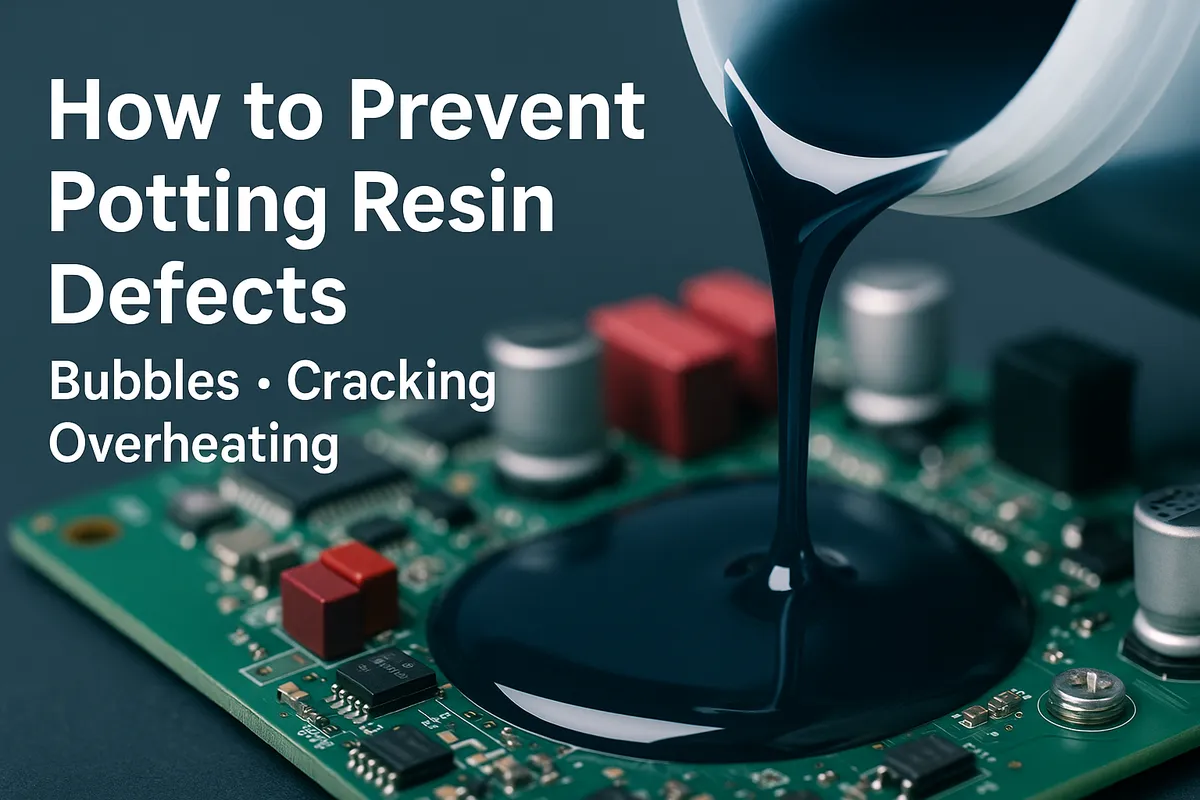
Potting resin defects can lead to real damage—both to your components and your brand. Whether you’re potting LED strips, PCBs, or power supplies, knowing how to prevent bubbles, thermal buildup, and cracking is critical.
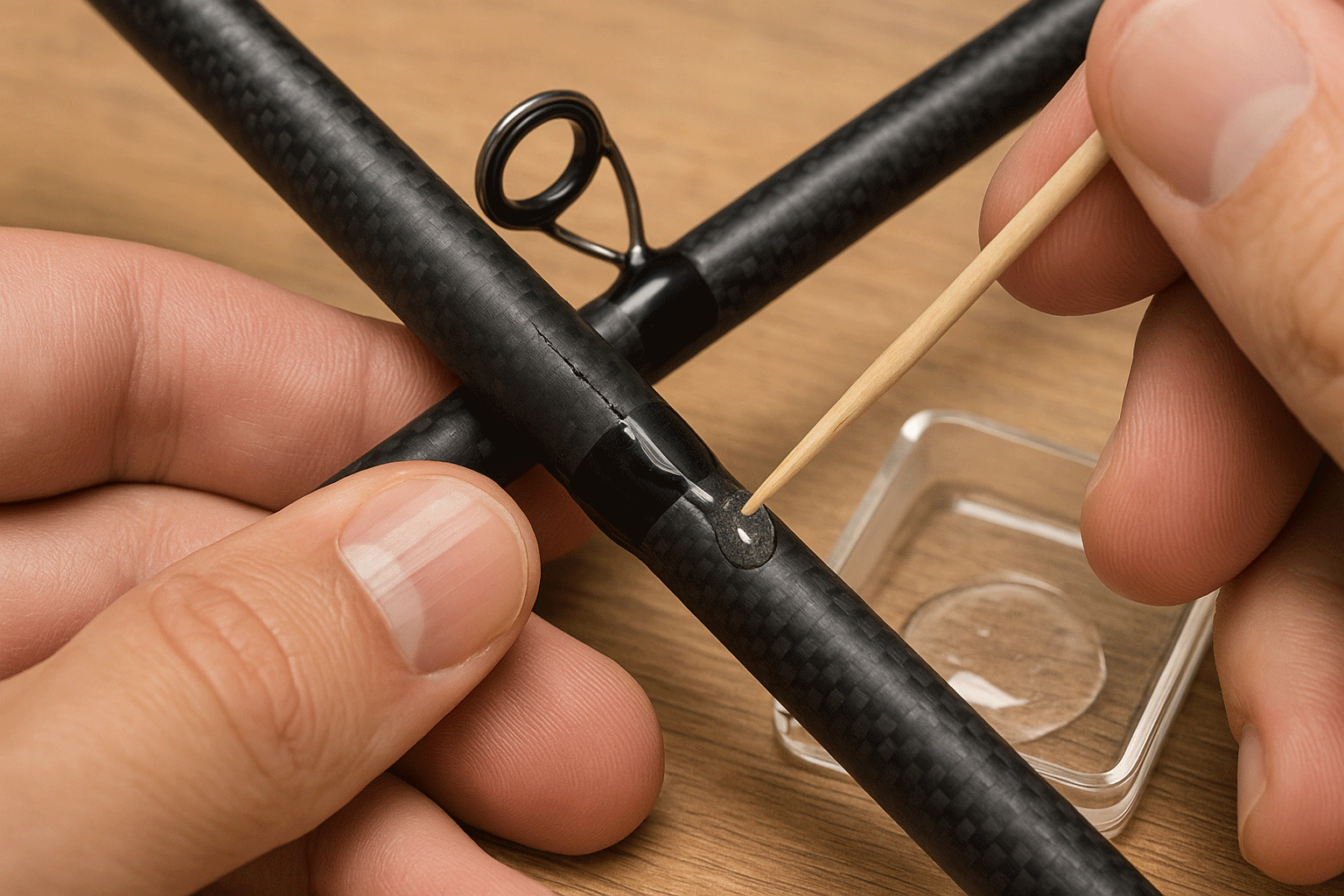
Fishing Rod Repair DIY: How Epoxy Resin Restores Outdoo […]
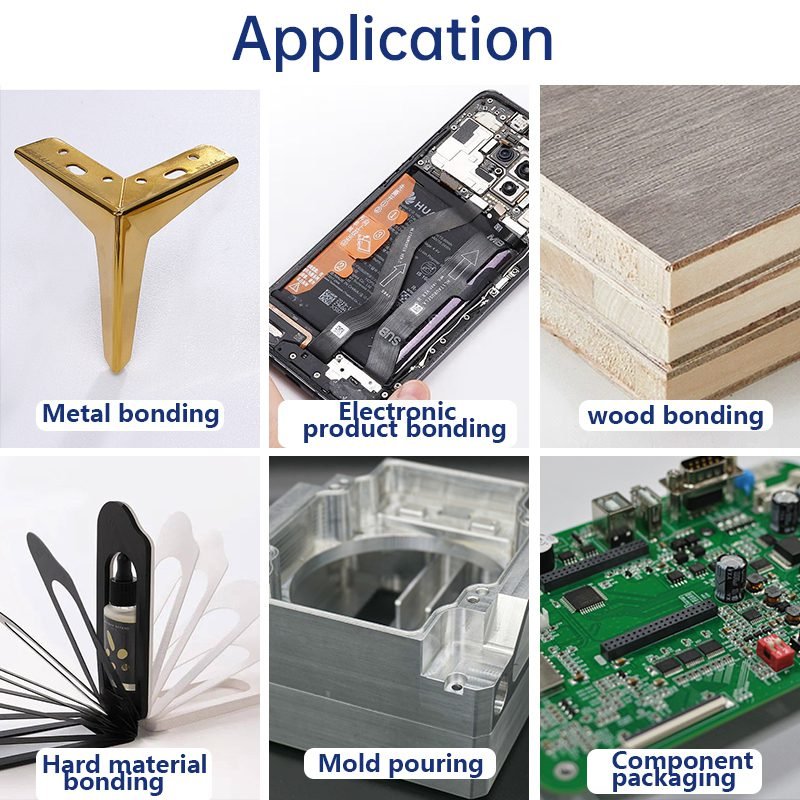
Industrial adhesives play an integral part in electroni […]

Adhesives have increasingly replaced soldering processe […]
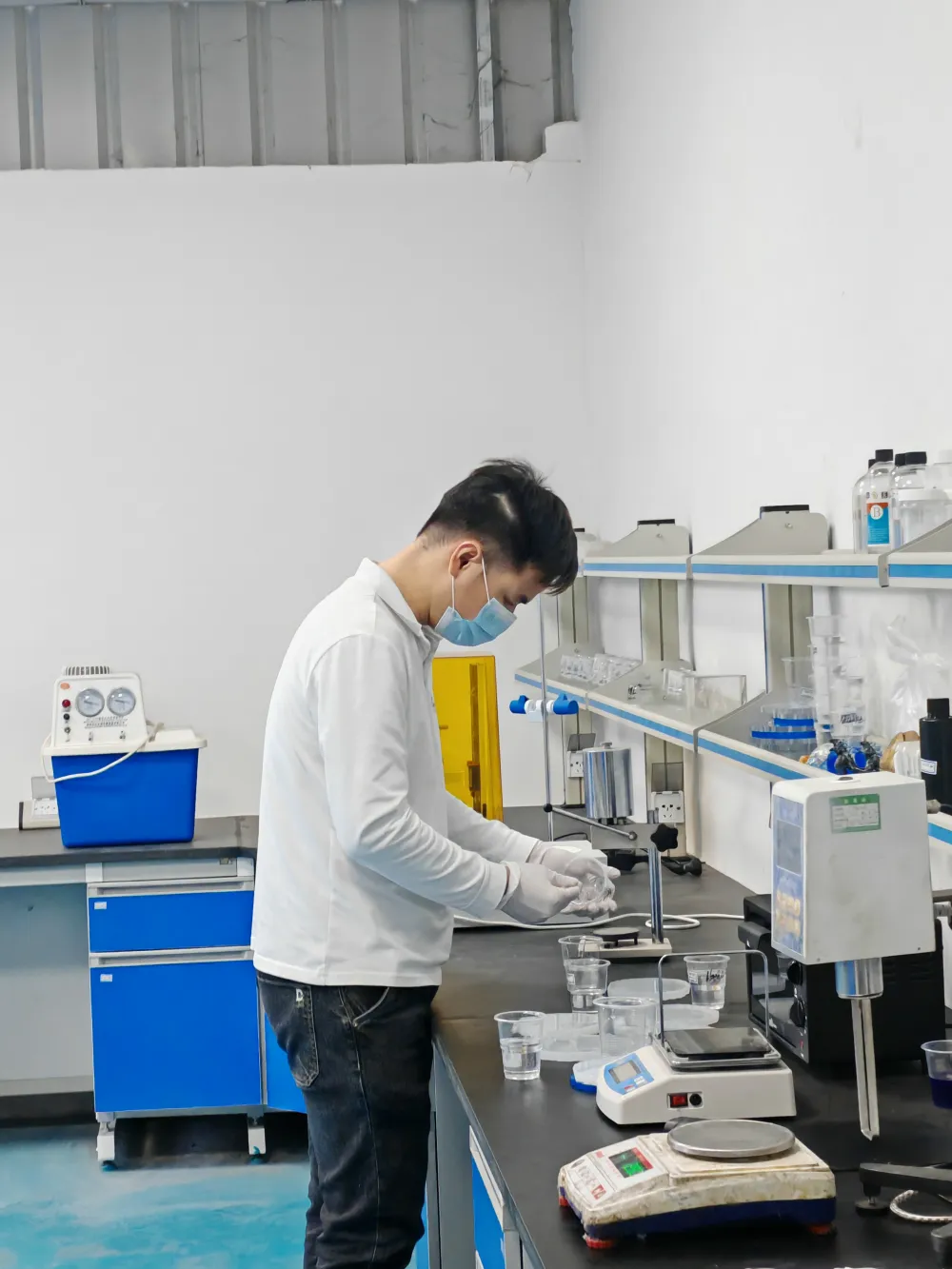
A versatile two-component adhesive used in many industr […]
- 1
- 2