
Concrete Surface Prep and Epoxy Adhesion How Treatment Boost
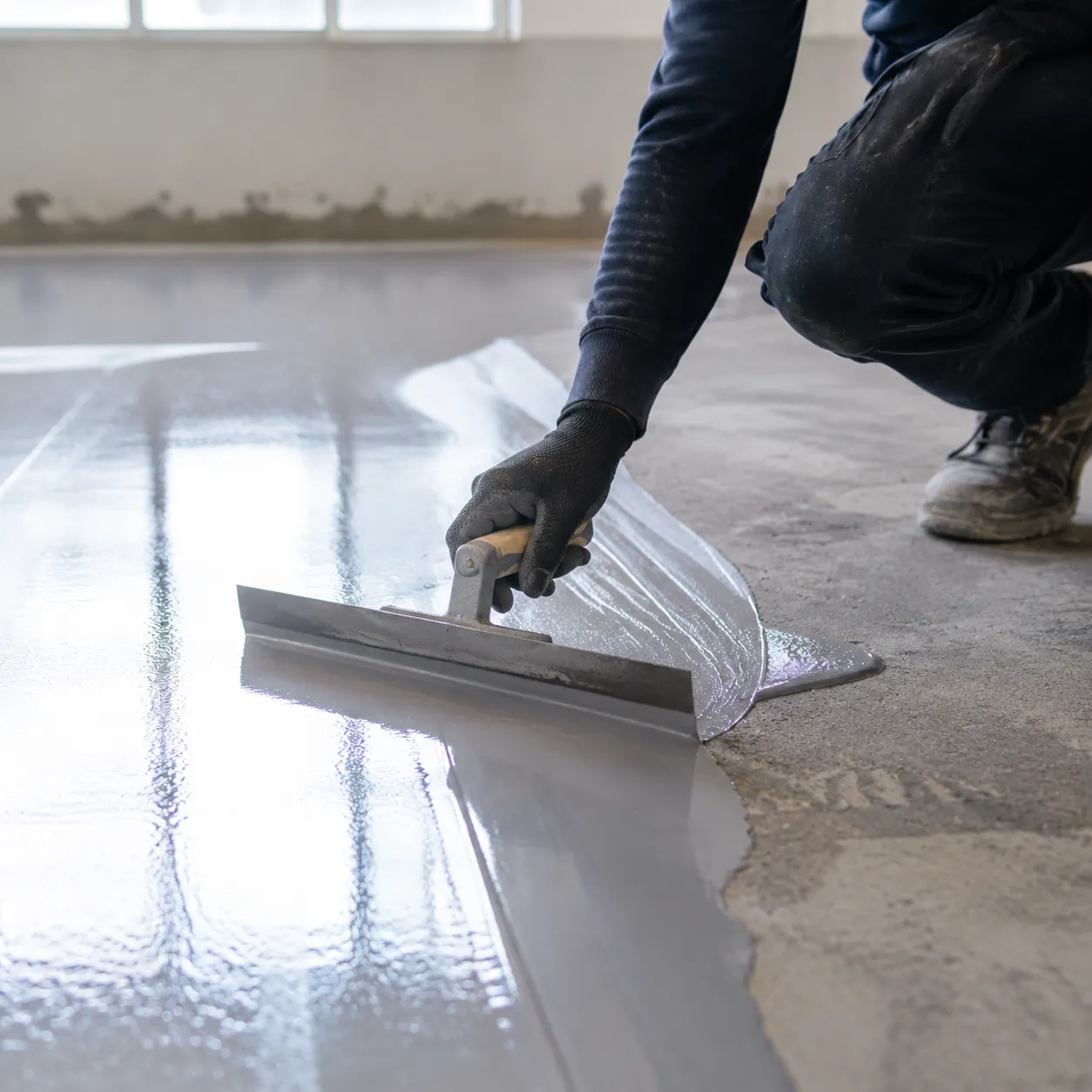
Concrete Surface Preparation and Epoxy Adhesion
The longevity and performance of an epoxy coating depend entirely on the quality of the substrate preparation. Unprepared or poorly treated concrete is the leading cause of coating delamination, blistering, and premature failure in industrial and commercial environments.
Mechanical Profile and Surface Prep
Proper surface preparation transforms a smooth, dense concrete slab into a highly receptive substrate. Mechanical methods—such as grinding, shot blasting, or scarifying—remove weak surface layers, contaminants, and laitance. This process achieves two critical objectives:
- Eliminating Surface Laitance: Removes the fragile, powdery layer of cement paste that rises to the top during concrete curing, which lacks the structural integrity to support epoxy bonds.
- Creating Mechanical Anchor Profiles: Roughens the surface to increase the total bonding surface area, allowing the liquid epoxy to lock mechanically into the concrete.
Optimizing Concrete Porosity
Maximizing porosity is essential for successful surface prep epoxy adhesion. An open capillary structure allows the resin to penetrate deep into the concrete matrix before curing.
| Preparation Method | Target Surface Profile (CSP) | Best Suited For |
|---|---|---|
| Diamond Grinding | CSP 1 – CSP 3 | Thin-film coatings, sealers, and high-traffic primers |
| Shot Blasting | CSP 3 – CSP 5 | High-build epoxies, self-leveling systems, and screeds |
| Scarifying | CSP 5 – CSP 9 | Heavy-duty overlays and severely damaged concrete restoration |
Without correct profiling and open pores, the epoxy merely sits on top of the slab, leading to rapid mechanical separation under thermal expansion or vehicular traffic.
Understanding the Epoxy Adhesion Mechanism on Concrete
To get a flawless finish that lasts, you need to understand the 附着机制 (adhesion mechanism) between the concrete substrate and the topcoat. Proper surface prep ensures high epoxy adhesion, preventing premature peeling, blistering, or delamination.
When you apply epoxy, the bonding relies on two primary mechanics:
Mechanical Interlocking
- Porosity is King: Unprepared concrete is often too smooth or trapped behind a layer of weak laitance. Proper grinding opens up the concrete’s pores, transforming a dense surface into a microscopic, rough profile.
- The Anchor Pattern: This profile acts like a series of tiny hooks. Liquid epoxy flows into these open pores, cures, and physically locks itself into the deep structure of the concrete.
Chemical and Capitalizing Bonds
- Direct Contact: True chemical bonding only happens when the epoxy can directly touch the sound, aggregate-rich concrete. Contaminants like oil, dust, or old sealers act as a barrier, ruining the molecular attraction.
- Cohesive Strength: By eliminating the weak surface layer through correct prep, the epoxy bonds to the strongest part of the concrete matrix, ensuring the tensile strength of the bond exceeds the tensile strength of the concrete itself.
3. Application & Execution
Getting the actual application right is where your hard work in surface prep pays off. Even with a perfectly prepped concrete floor, poor execution during the coating phase will ruin your epoxy adhesion. We track every detail during this stage to ensure a flawless, permanent bond.
Critical Steps During Application
- Environmental Control: We always check the ambient temperature, material temperature, and concrete moisture levels before mixing. High humidity or vapor transmission will destroy your epoxy adhesion and cause blistering.
- Mixing Precision: Epoxy is a chemical reaction, not just paint drying. We mix the resin and hardener at exact ratios using a low-speed drill to avoid trapping air bubbles.
- The Prime Coat: We apply a dedicated primer first. Thanks to the mechanical grinding done earlier, this thin layer sinks deep into the concrete porosity, anchoring the entire system.
- Re-coat Windows: We strictly follow the manufacturer’s timeline. Applying the topcoat too early traps solvents; applying it too late prevents the layers from chemically bonding together.
| Application Factor | Target Condition | Impact on Epoxy Adhesion |
|---|---|---|
| Concrete Moisture | Below 4% (or per spec) | Prevents delamination and osmotic blistering. |
| Surface Profile | CSP 2-3 (Achieved via grinding) | Provides the physical “teeth” for mechanical locking. |
| Porosity | Open and absorbent | Allows the primer to penetrate deeply into the slab. |
Avoiding Common Mistakes
We never cut corners on the rollout. Leaving puddles or spreading the material too thin creates weak spots in the floor. Proper surface prep creates the foundation, but disciplined application guarantees that the surface prep epoxy adhesion chain remains unbroken from the concrete base to the final wear layer.
Related Sources
