Epoxy Metal Primer Failure Causes Corrosion and Fixes
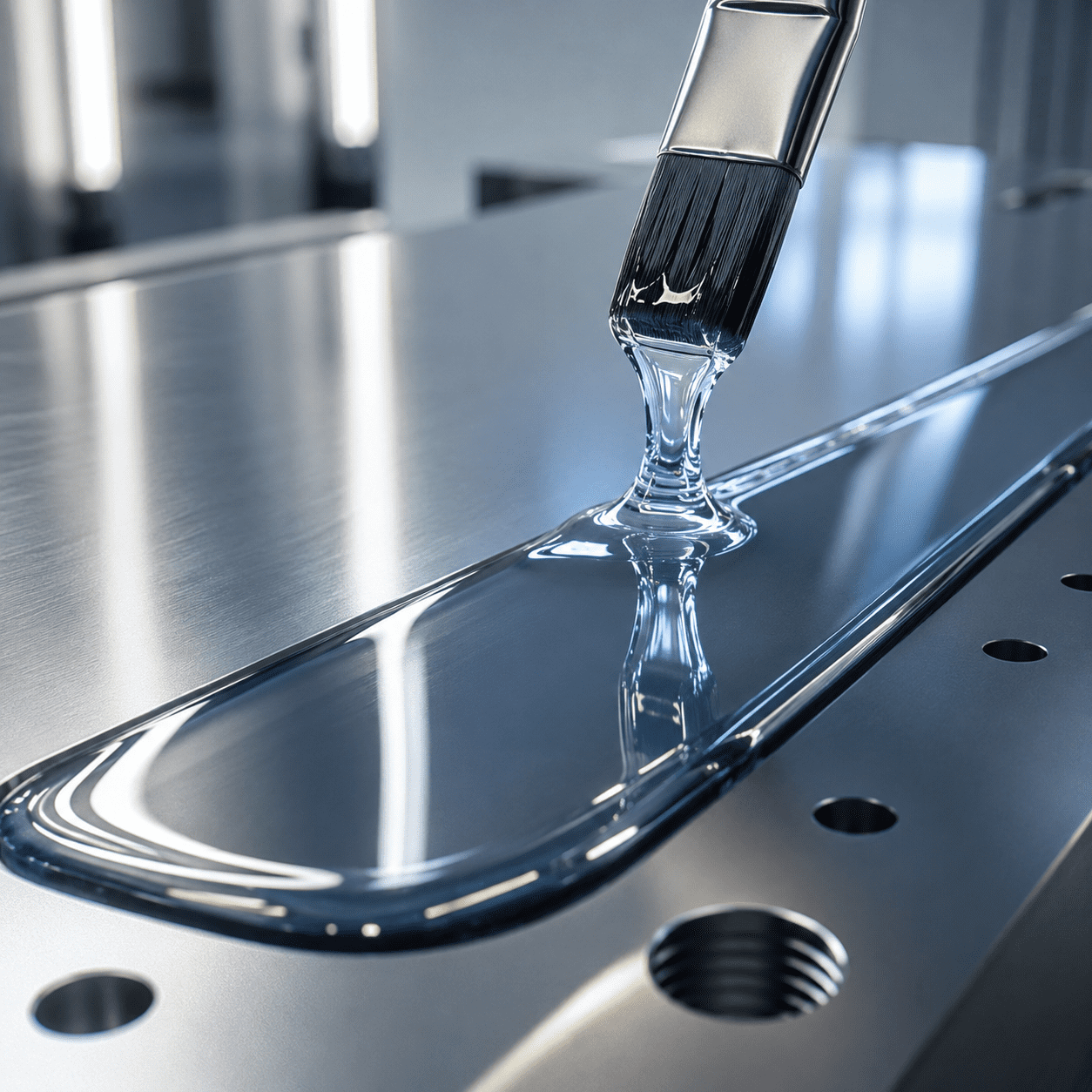
Understanding Epoxy Metal Primer Failure
Epoxy metal primers are engineered to provide heavy-duty protection, but system failures still occur due to predictable chemical and mechanical weak points. When a coating system fails, it typically stems from a breakdown in corrosion prevention, compromised adhesion, or improper application of the foundational layer.

1. Metal Corrosion and Underfilm Rusting
Metal corrosion is the primary threat to industrial substrates. When an epoxy primer film is compromised, moisture, oxygen, and corrosive ions penetrate the coating, initiating electrochemical oxidation on the steel or iron surface.
Rust Creep: Corrosion rarely stays localized; it spreads beneath the intact primer film, lifting the coating.
Blistering: Osmotic pressure forces moisture through the primer, creating fluid-filled pockets that destroy the bond.
Pitting: Severe localized corrosion eats into the metal substrate, permanently damaging structural integrity.

2. Adhesion Strength and Mechanical Failures
A primer is only as good as its bond to the substrate. Insufficient adhesion strength triggers catastrophic delamination, where the entire paint film peels away from the metal.
Failure Mode
Cause
Appearance
Adhesive Failure
Poor surface profile, oil contamination, or flash rust.
Clean separation between the primer and the metal substrate.
Cohesive Failure
Improper mixing ratio, incorrect curing temperatures, or solvent entrapment.
The primer splits internally, leaving residue on both the metal and the topcoat.
Intercoat Delamination
Exceeding the maximum overcoat window before applying the topcoat.
The topcoat peels cleanly away from the cured epoxy primer layer.

3. The Role of the Primer Layer
The primary function of an epoxy metal primer is to act as a sacrificial or barrier shield while anchoring subsequent coatings. Understanding its mechanics helps prevent premature failure.
Chemical Passivation: Quality primers contain anti-corrosive pigments that chemically inhibit the formation of rust.
Mechanical Interlocking: The primer flows into the microscopic anchor profile of blasted metal, curing into a tight mechanical lock.
Substrate Sealing: It seals porous surfaces, preventing moisture from reaching the vulnerable metal underneath.

4. Comprehensive Remediation and Repair Protocols
When an epoxy primer system fails, immediate and systematic remediation is required to restore long-term corrosion resistance.
Surface Stripping: Remove all failed coatings, scale, and rust via abrasive blasting (SSP-SP 10 / ISO Sa 2.5) or mechanical grinding.
Decontamination: Wash the substrate to remove invisible soluble salts, oils, and chemical residues that compromise adhesion strength.
Profile Re-establishment: Ensure the metal has a sharp, angular surface profile (typically 35–75 microns) to maximize mechanical bonding.
Re-application: Apply a high-solids epoxy primer under strict environmental controls, monitoring ambient temperature, substrate temperature, and relative humidity to ensure a flawless cure.