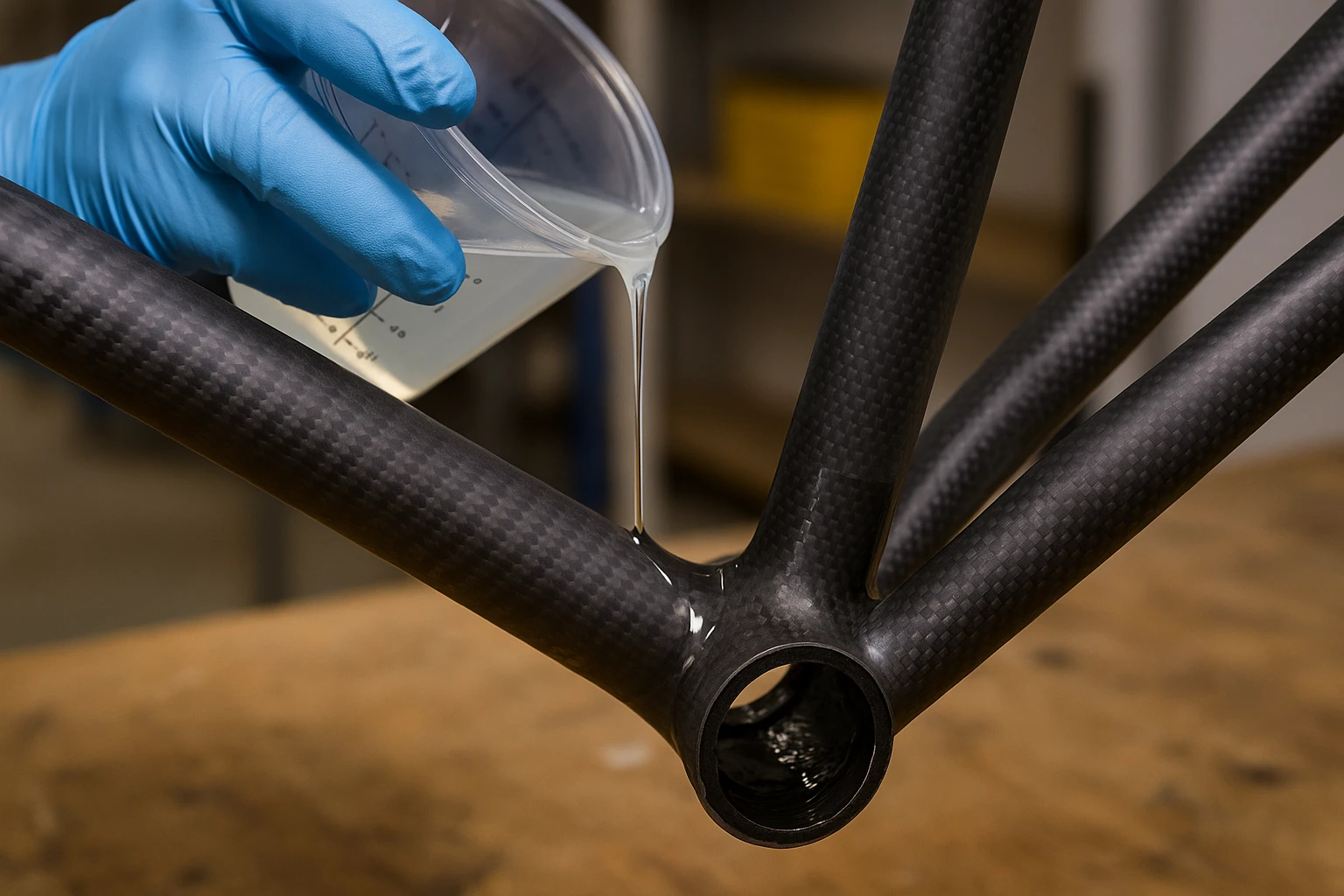
Epoxy Resin for Trekking Poles: Strength, Weight, and Weatherproofing Where It Counts
Meta Title: Epoxy Resin for Trekking Poles | Lightweight, Strong, and Weatherproof Adhesion
Meta Description: Discover how epoxy resin enhances strength, bonding, and durability in carbon fiber trekking poles. Learn which RWE systems work best for outdoor gear.
Epoxy Resin for Trekking Poles: Strength, Weight, and Weatherproofing Where It Counts
Why Epoxy Resin is Essential for Trekking Poles
In the world of trekking poles, every gram matters—but not at the cost of strength. Whether you’re manufacturing poles for alpine climbers, thru-hikers, or weekend trail runners, your composite layup and adhesive system have to strike the right balance: lightweight, durable, and weatherproof.
That’s where epoxy resin for trekking poles earns its place.
Trekking Poles are More Than Just a Stick
Modern trekking poles are high-performance composites. We’re talking about:
- Carbon fiber tubing for weight savings
- Aluminum reinforcement or tips for impact resistance
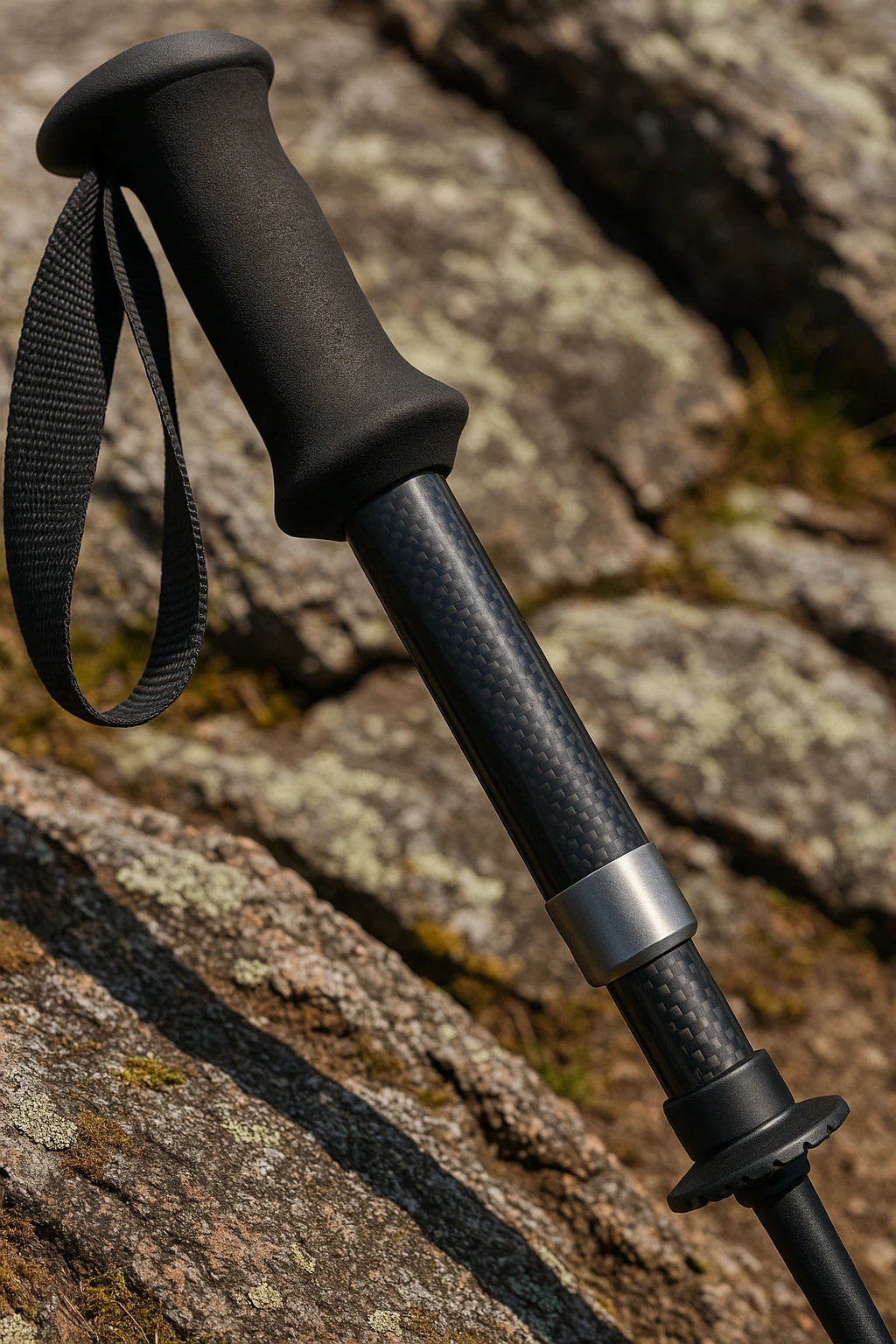
- Foam or cork handles bonded to complex surfaces
- Section joints that must hold up to torsion, flex, and repeated loading
If your epoxy system underperforms—whether it’s weak under shear, brittle at low temps, or breaks down under UV—you’ll end up with failed joints, delaminations, or worse.
Key Resin Properties to Look For
| Property | Ideal Range / Notes |
|---|---|
| Shear Strength | 20–35 MPa (to hold joint tubes under torque) |
| Tg (Glass Transition) | > 100°C (for thermal stability in summer heat) |
| Viscosity | 1000–3000 cps (wetting carbon fiber but easy to handle) |
| UV Stability | Required for exposed sections or transparent topcoats |
| Cure Profile | RT cure + optional post cure @ 60–80°C |
| Weight Sensitivity | No heavy fillers; needs low-density formulation |
For reference on shear strength testing in composite bonding, visit ASTM D1002 Standard.
Best Epoxy Resins for Trekking Pole Applications
RWE‑3280 – High-Strength Resin for Main Shafts
- Excellent carbon fiber compatibility
- High Tg (110°C), strong bonds, and good impact toughness
- Ideal for carbon shaft lamination
RWE‑HT260 – For High-Stress Interfaces and Heat Zones
- Tg of 160°C, excellent fatigue and flexural resistance
- Good for section interfaces, clamps, and handle bonding
RWE‑CRYSTAL – Clear Coating and Sealing Option
- Low viscosity, transparent, UV-resistant
- Great for branding overlays, logo topcoats, or cork sealing
Manufacturing Tips for Trekking Gear
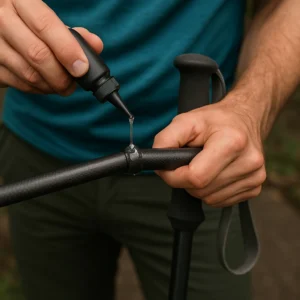
- Handle bonding: Always pre-treat foam, cork, or plastic handles for best adhesion.
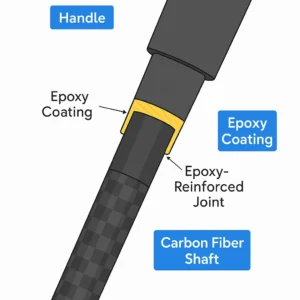
- Joint reinforcement: Use epoxy + carbon tow wrap to prevent rotation or crack propagation.
- Post-cure: Even a short bake at 60°C can boost strength and water resistance.
- Coating: For wood or exposed surfaces, add a thin epoxy seal layer to prevent water ingress.
Conclusion: Epoxy Resin Built for the Trail
Your trekking pole isn’t just a pole—it’s an engineered support system that users rely on when everything else is failing. Whether it’s supporting 90 kg on a slippery descent or sitting in a frozen pack overnight, the materials have to work.
That’s why epoxy resin for trekking poles isn’t optional. It’s foundational.
📩 Want datasheets or resin recommendations for trekking pole designs?
👉 Contact the RWE team—we’re ready to help engineers build better gear.