
Epoxy vs Polyaspartic Material Application and System Guide
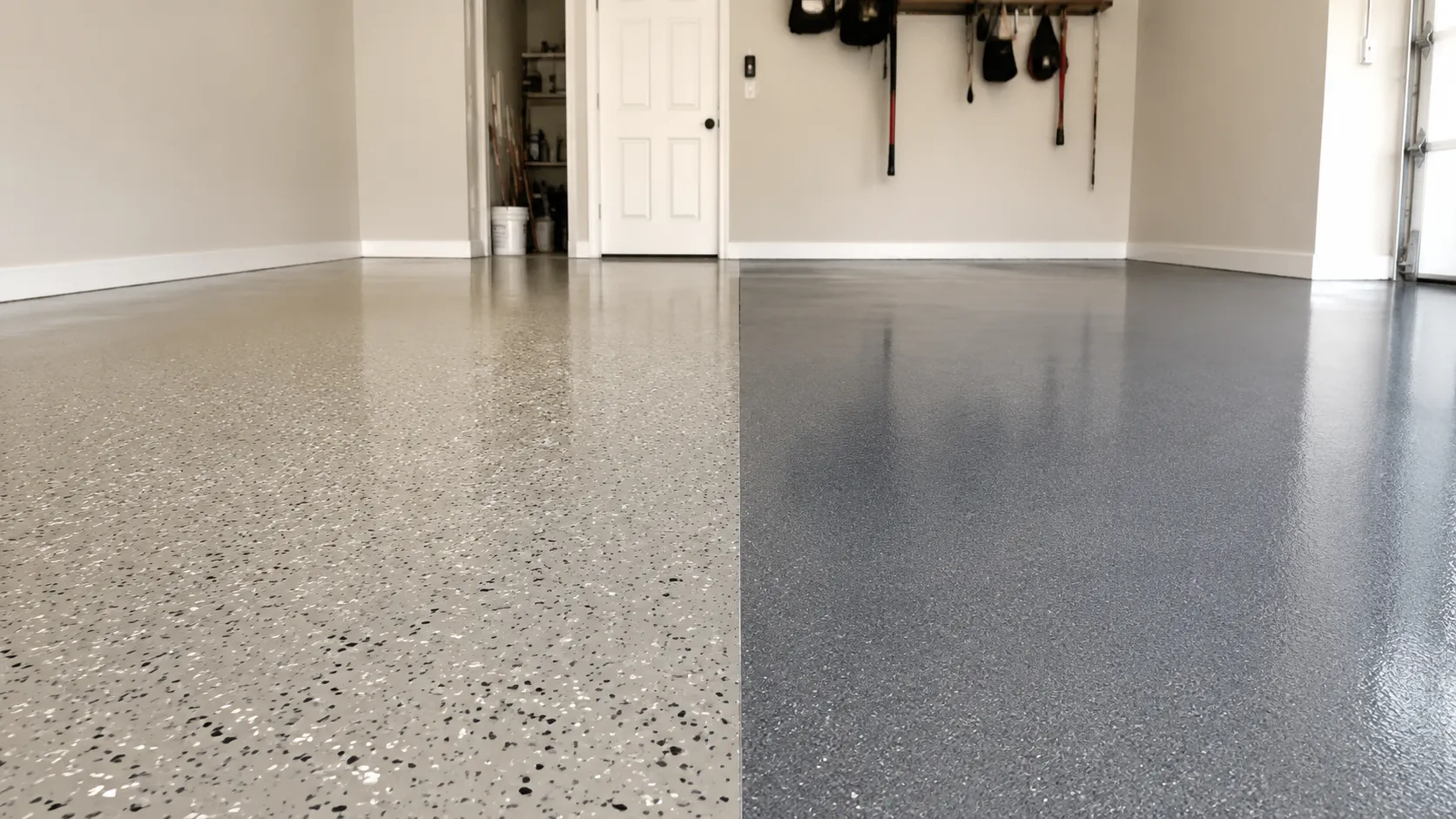
Material Comparison: Chemical Composition and Performance
Choosing the right concrete floor coating comes down to understanding the distinct chemistry behind epoxy vs polyaspartic systems. Both materials offer excellent protection, but their molecular structures dictate vastly different performance characteristics on the job site.
Epoxy Coatings
Traditional epoxy is a thermosetting polymer formed by reacting an epoxide resin with a polyamine hardener. This creates a dense, rigid cross-linked structure that excels in heavy-duty environments.
High Tensile Strength: Provides incredible adhesion to properly profiled concrete substrates.
Thick Build: Ideal for self-leveling applications and repairing minor surface imperfections or pitting.
Thermal Sensitivity: Requires extended open times to cure, making it susceptible to moisture and temperature fluctuations during installation.
Polyaspartic Coatings
Polyaspartic is an aliphatic polyurea derivative. It represents an advanced class of coating chemistry engineered to overcome the classic limitations of traditional polyurethane and epoxy.
Rapid Polyurea Kinetics: Cures rapidly through a controlled chemical reaction, significantly shortening downtime.
Elastomeric Flexibility: Offers higher elongation properties than epoxy, allowing it to absorb concrete expansion and thermal shock without cracking.
Low-Temperature Application: Can be applied in extreme temperature ranges, far exceeding the operational window of standard epoxies.
Core Performance Metrics
| Performance Feature | Epoxy Resin Systems | Polyaspartic Systems |
|---|---|---|
| UV Stability | Poor (Prone to yellowing and chalking) | Excellent (100% UV stable aliphatic chemistry) |
| Cure Time | 12 to 24 hours (Full traffic in 3 to 7 days) | 1 to 2 hours (Full traffic in 24 hours) |
| Impact Resistance | High (Rigid protection) | Superior (Flexible, absorbs high energy impacts) |
| Chemical Resistance | Excellent against alkalis and acids | Superior against hot tires, oils, and solvents |
Key Vulnerabilities: Managing Curing Failure
Every coating system carries a specific risk profile during the chemical cross-linking phase.
[Improper Mix Ratio / High Moisture] ──> Disrupted Cross-linking ──> Curing Failure (Sticky Spots / Blistering)
- Epoxy Risks: High ambient humidity or subsurface moisture vapor transmission often triggers curing failure. This manifests as amine blush, sticky spots, or early delamination.
- Polyaspartic Risks: Because polyaspartic coatings cure rapidly, high humidity accelerates the reaction too quickly. This shortens the working pot life and can lead to bubbling or adhesion loss if applied too thin. Maintaining strict mixing ratios and monitoring environmental dew points is critical to preventing system failures.
2. Epoxy vs Polyaspartic: Application Differences
Choosing between epoxy and polyaspartic comes down to your project environment, timeline, and long-term exposure to the elements. We look at how these two powerhouses perform in real-world applications.
Cure Time and Installation Pace
- Epoxy Systems: Epoxy requires patience. It typically takes 12 to 24 hours to cure for foot traffic and up to 7 days to full cure for vehicles. This slow process increases the risk of dust contamination or a curing failure if temperatures shift mid-process.
- Polyaspartic Systems: Built for speed. Polyaspartic coatings cure within hours, allowing for a next-day return to service. However, this tight window means installers must work rapidly to avoid the product hardening before application.
Environmental Conditions and UV Stability
- Indoor vs. Outdoor: Epoxy lacks UV stability. Direct sunlight causes it to yellow, fade, and chalk over time, confining its use to indoor spaces like basements or industrial warehouses. Polyaspartic handles UV rays without discoloring, making it ideal for driveways, patios, and bright garage entryways.
- Temperature Flexibility: Epoxy requires a specific temperature range to cure properly. Polyaspartic can be applied in extreme cold or high heat, expanding the installation season significantly.
Impact and Chemical Resistance in Daily Use
| Performance Metric | Epoxy Coatings | Polyaspartic Coatings |
|---|---|---|
| Hot Tire Pickup | Vulnerable to peeling | Highly resistant |
| Scratch Resistance | Moderate (can scratch under heavy friction) | Superior durability against abrasions |
| Chemical Spills | Good resistance to oils, poor against acids | High resistance to gas, oil, and harsh chemicals |
Choosing the Right System: Epoxy vs Polyaspartic
Choosing between an epoxy vs polyaspartic floor system comes down to your specific project environment, budget, and performance needs. We look at turnaround time, sun exposure, and heavy traffic to determine the perfect match for your space.
When to Choose an Epoxy System
Epoxy remains the industry standard for specific interior applications where budget efficiency and thick buildup are required.
- Heavy Duty Leveling: Best for deeply pitted concrete requiring a thick, self-leveling base coat.
- Cost-Effective Coverage: Ideal for massive commercial warehouses and large industrial footprints where durability is needed at a lower cost per square foot.
- Extended Working Time: Gives installers ample time to ensure a flawless, smooth finish without rushing.
When to Choose a Polyaspartic System
Polyaspartic technology is the premium choice for rapid returns to service and challenging environmental conditions.
- Next-Day Return to Service: Cures rapidly, allowing vehicles to park on the surface within 24 hours without risking curing failure.
- Maximum UV Stability: Complete UV stability ensures the floor will not yellow, fade, or chalk under direct sunlight or near large windows.
- Extreme Temperature Application: Can be safely applied in freezing temperatures or high heat, expanding the installation window year-round.
System Selection Quick Guide
| Project Type | Recommended System | Key Reason |
|---|---|---|
| Residential Garage | Polyaspartic Topcoat | Hot-tire pickup resistance & UV stability |
| Commercial Warehouse | Epoxy Base + Polyaspartic Topcoat | Cost savings with premium wear resistance |
| Outdoor Patio / Driveway | Full Polyaspartic System | Will not yellow under direct sunlight |
| Industrial Food Processing | Polyaspartic System | High chemical resistance & fast curing |
For most high-traffic residential and commercial spaces, a hybrid system utilizing an epoxy primer for superior concrete adhesion combined with a polyaspartic topcoat delivers the ultimate balance of longevity, aesthetics, and value.
