How to Tell If Epoxy Is Fully Cured Methods and Standards
How to Determine If Epoxy Is Fully Cured
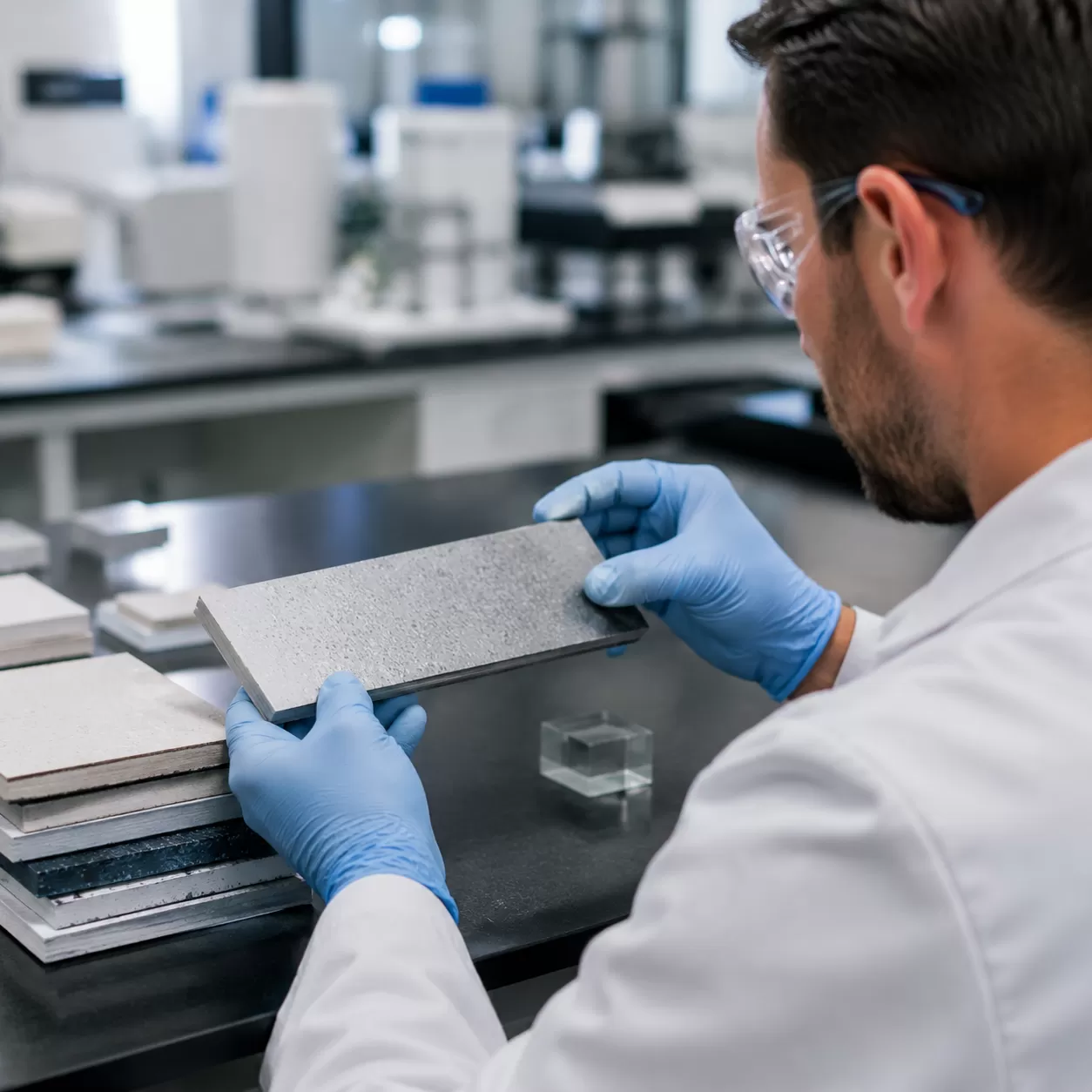
Achieving a complete cure is critical to ensuring the mechanical strength, chemical resistance, and durability of epoxy resins. Below are the industry-standard methods and criteria to accurately determine if your epoxy has reached its fully cured state.
Reliable Testing Methods
Verifying the cure state of epoxy requires a mix of physical and chemical testing methods:
- Shore D Hardness Test: Using a durometer to measure the surface hardness is the most common field test. Fully cured structural epoxies typically register a specific hardness value on the Shore D scale.
- Acetone Rub Test: Apply acetone to the cured surface. If the epoxy softens, becomes tacky, or transfers to the cloth, the chemical cross-linking is incomplete.
- Differential Scanning Calorimetry (DSC): For industrial applications, DSC testing measures the residual heat of reaction to determine the exact cure percentage.
Curing Standards and Criteria
To confirm a full cure, the epoxy must meet specific performance benchmarks:
| Property | Fully Cured Standard |
|---|---|
| Hardness | Typically Shore D > 80 (depends on the specific formulation) |
| Surface State | Completely tack-free, non-greasy, and resistant to fingernail imprints |
| Glass Transition (Tg) | Reaches the maximum designated temperature limit of the data sheet |
| Chemical Resistance | Zero degradation or swelling when exposed to solvents |
Final Cure Judgment
Determining the final cure status involves evaluating both environmental factors and physical properties:
- Curing Time and Temperature: Epoxy requires sufficient time at the recommended temperature to complete cross-linking. Lower temperatures significantly extend the required cure time.
- Mechanical Stability: The material must achieve its peak load-bearing capacity and show no creep or deformation under stress.
- Sound Test: Tapping a fully cured, thick epoxy casting yields a clear, solid ring rather than a dull thud.