Industrial Floor Maintenance Methods Cycles and Best Practices
Are you tired of watching your expensive factory floors crack, stain, and wear down under heavy daily traffic? Maintaining an industrial floor isn’t just about sweeping up dust—it’s a critical investment in your facility’s safety and operational efficiency.
As someone who has managed large-scale facility operations for years, I know exactly how frustrating it is to deal with premature floor failures. That’s why I’ve put together the ultimate guide to industrial floor maintenance methods, breaking down the exact maintenance cycles you need to prevent costly downtime.
Whether you’re dealing with epoxy, concrete, or polyurethane, this proven blueprint will show you precisely how to protect your floors and extend their lifespan.
Let’s dive right in.
Industrial Flooring Maintenance
Industrial floors endure heavy traffic, chemical spills, and immense mechanical loads daily. Implementing a structured industrial flooring maintenance strategy is non-negotiable to prevent premature wear, protect your investment, and ensure facility safety. Proper care preserves the structural integrity of epoxy, polyurethane, and polished concrete surfaces, directly reducing long-term operational downtime.
Maintenance Cycle
A successful preservation plan relies on a disciplined, multi-tiered cycle tailored to facility traffic and operational intensity:
- Daily Maintenance: High-frequency removal of abrasive debris, dust, and localized spills to prevent surface scratching.
- Weekly Maintenance: Deep mechanical scrubbing utilizing specialized floor scrubbers and pH-neutral detergents.
- Quarterly/Annual Maintenance: Comprehensive structural inspections, specialized deep cleaning, and proactive re-sealing or recoating to restore the floor’s slip-resistant properties and protective barrier.
Maintenance Methods
Executing the correct methods ensures long-term durability and peak performance across all industrial environments:
Regular Cleaning Protocols
Abrasive dust acts like sandpaper under forklift wheels. Eliminate this risk through daily dry mopping or vacuuming, followed by automated wet scrubbing. Always use pH-neutral cleaning agents; aggressive acidic or alkaline chemicals degrade surface gloss and weaken the floor’s top layer over time.
Proactive Damage Prevention
- Load Management: Prevent point-load damage by equipping heavy machinery with non-marking polyurethane wheels.
- Spill Mitigation: Implement immediate neutralization and cleanup protocols for oils, solvents, and acids to avoid chemical staining or chemical etching.
Periodic Recoating and Restoration
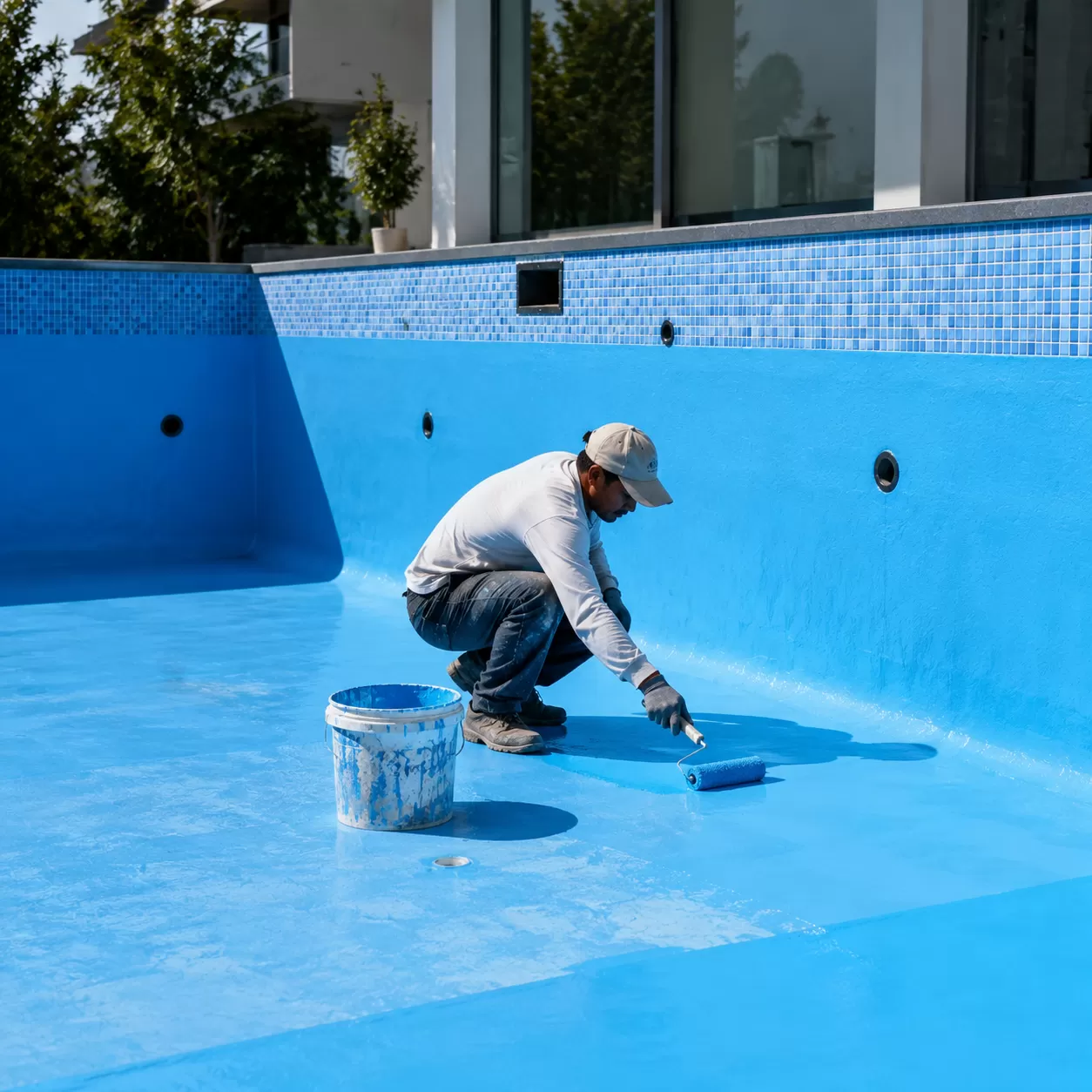
When the top layer shows signs of micro-wear, scheduled recoating is essential. Lightly abrading the existing surface and applying a fresh topcoat seals hairline cracks, restores chemical resistance, and extends the lifespan of the entire flooring system without requiring a full replacement.