
Polyurea Waterproof Coating Guide for Construction
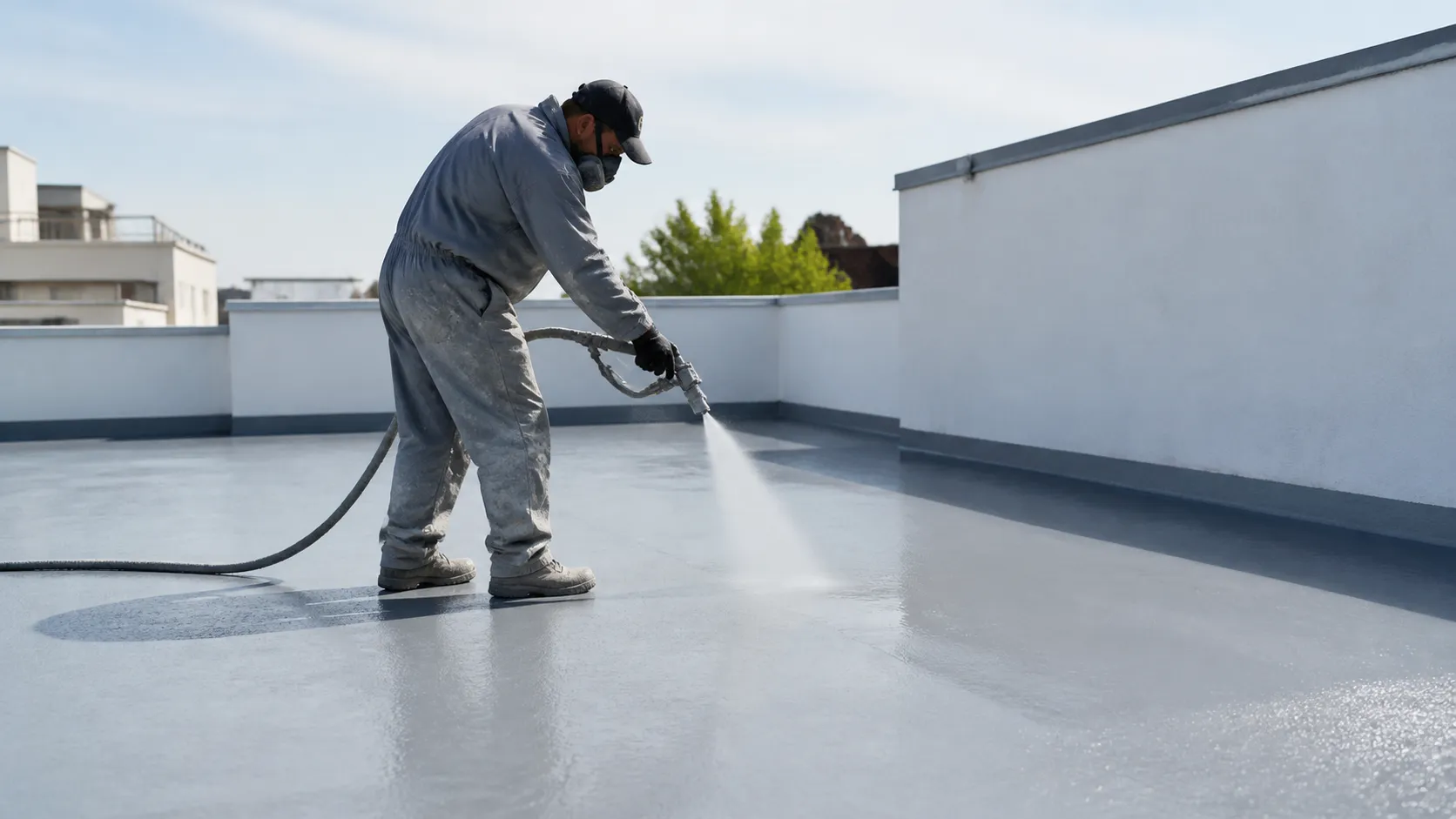
What Is polyurea waterproof coating Used for in Construction Epoxy Materials?
Integrate a high-performance polyurea waterproof coating into construction epoxy systems to form an elastomeric, seamless barrier against water intrusion, severe abrasion, and aggressive chemicals. While traditional epoxy coatings deliver outstanding mechanical strength and surface hardness, adding a polyurea waterproofing layer provides the dynamic flexibility and crack-bridging capability necessary for high-stress structural applications. Modern hybrid construction systems rely on this combination to protect concrete substrates, industrial floors, and infrastructure from structural degradation.
Main application scenarios
Polyurea waterproof coatings serve as primary protective membranes across demanding commercial, industrial, and civil engineering projects:
- Roof waterproofing systems: Provides complete, seamless weather resistance for exposed commercial flat roofs, green roofs, and metal structures.
- Industrial floor topcoats: Acts as an ultra-durable protective layer over epoxy floor primers in heavy logistics hubs and manufacturing plants.
- Water containment and tanks: Line secondary containment units, wastewater treatment facilities, and concrete reservoirs.
- Bridge decks and parking garages: Shields reinforced concrete structures against vehicular traffic impact, deicing salts, and dynamic vibration.
- Basements and foundation walls: Blocks underground hydrostatic pressure to ensure long-term structural dryness.
Required material properties
To ensure seamless integration with epoxy primers and concrete bases, a premium polyurea waterproof coating must meet strict physical performance criteria:
| Property | Target Performance | Benefit to Construction Epoxy Systems |
|---|---|---|
| Elongation at Break | > 350% to 500% | Bridges substrate cracks without rupturing the top membrane |
| Tensile Strength | 15 – 25 MPa | Withstands heavy mechanical load and high foot/vehicle traffic |
| Gelling & Cure Time | Rapid (Seconds to minutes) | Allows fast return-to-service and minimizes project downtime |
| Chemical Resistance | High resistance to acids, alkalis, oils | Protects concrete base against severe spillages |
| Adhesion Strength | > 2.5 MPa (Concrete failure) | Prevents delamination from underlying epoxy primer coats |
Common user expectations
Global buyers, contractors, and project engineers expect consistent quality, environmental safety, and reliable jobsite execution:
- Zero-leakage assurance: Complete seamless coverage that eliminates vulnerability at joints, penetrations, and vertical turn-ups.
- Fast return-to-service: Rapid reactivity that allows rapid recoating and minimizes operational downtime for facility owners.
- Certified compliance: Complete documentation including full SDS/MSDS sheets and rigorous ISO/CE quality standard verifications.
- Long-term weatherability: Resistance to thermal cycling, freeze-thaw degradation, and intense UV exposure without surface chalking or debonding.
Performance Requirements for Construction Epoxy Materials
When we manufacture high-performance construction epoxy materials and polyurea waterproof coating systems, meeting strict performance standards is non-negotiable for long-term job site success.
Clarity, gloss, and appearance
Visual appeal matters just as much as structural strength. Our high-build coatings deliver clear finishes, deep gloss, and long-lasting aesthetic appeal.
- Crystal-Clear Finish: Zero haze or turbidity during application.
- UV Stability: Formulated to resist yellowing under direct sunlight exposure.
- High Gloss Retainage: Maintains a fresh, reflective surface even under continuous wear.
Adhesion and durability
Strong substrate bonding prevents delamination and structural failure. We design our formulas to lock tightly onto concrete, metal, and masonry surfaces.
| Performance Metric | Standard Requirement | Our Formula Benchmark |
|---|---|---|
| Substrate Adhesion | Basic surface bond | Cohesive substrate failure (coating stays intact) |
| Impact Resistance | Resists light dropping | High flexural durability against heavy impacts |
| Abrasion Life | Standard wear resistance | Superior protection for heavy foot and vehicle traffic |
Temperature, moisture, and chemical resistance
Industrial environments demand extreme resilience against harsh environmental stressors and chemical exposure.
- Moisture Protection: Shields wet or damp substrates to eliminate blistering and prevent curing failure.
- Thermal Flexibility: Expands and contracts without cracking during extreme freeze-thaw cycles.
- Chemical Barrier: Resists harsh cleaning agents, oils, salts, and mild acids for total surface protection.
How to Select the Right polyurea waterproof coating
Choosing the right polyurea waterproof coating comes down to your project environment, application tools, and performance targets. Here is how we break down the decision process to help you get the best results on site.
Recommended formula type
We formulate different polyurea types based on specific job site demands:
| Coating Type | Key Feature | Best Use Case |
|---|---|---|
| Pure Polyurea | Maximum elasticity, fast cure, extreme chemical resistance | Heavy-duty commercial decks, roof waterproofing, high-traffic zones |
