
Epoxy Resin SDS Safety Guide for Standard Compliance
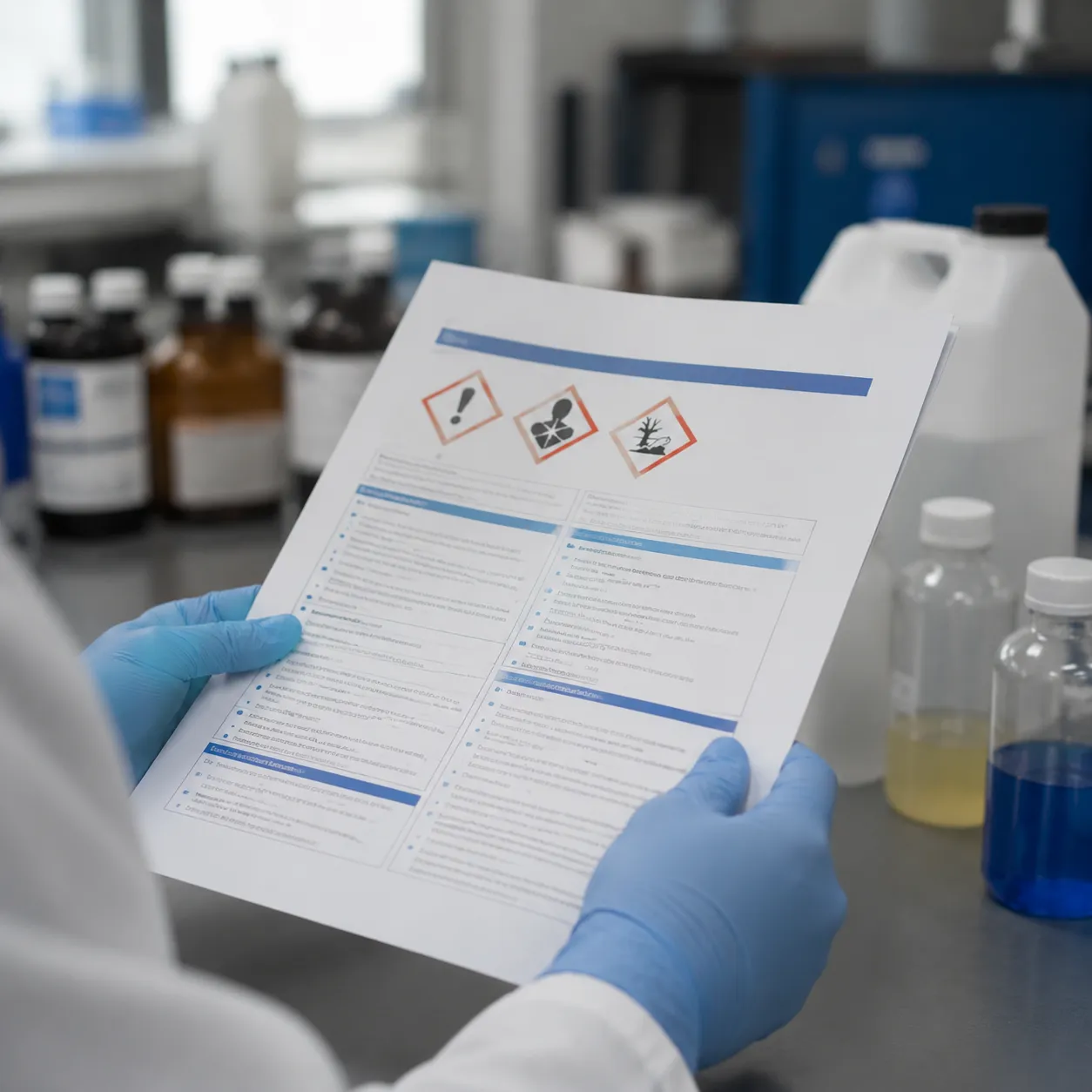
Understanding the Epoxy Resin SDS
A Safety Data Sheet (SDS) is a critical document designed to provide comprehensive information about the chemical properties, health hazards, and safety precautions required when working with our epoxy resin SDS compliant formulations. For global manufacturers, distributors, and end-users, understanding the SDS is the first line of defense against workplace accidents and regulatory non-compliance.
Key Components of a Chemical Safety Sheet
Every standard chemical safety document is divided into structured sections to ensure immediate access to vital information during routine handling or emergencies.
- Product Identification: Clearly states the product name, manufacturer details, and recommended uses.
- Hazard Identification: Details the specific risks, including skin sensitization, eye irritation, and environmental toxicity.
- Composition/Ingredients: Lists the chemical ingredients and CAS numbers to ensure transparency and compliance with global chemical inventories.
- First-Aid Measures: Provides step-by-step instructions for accidental exposure via inhalation, skin contact, eye contact, or ingestion.
| SDS Section | Core Focus | Critical Action Item |
|---|---|---|
| Section 2: Hazard(s) Identification | GHS Classification & Warning Labels | Check signal words (e.g., “Warning” or “Danger”) and hazard statements before opening the product. |
| Section 4: First-Aid Measures | Emergency Response | Ensure eye wash stations and first-aid kits are accessible and stocked near the workstation. |
| Section 8: Exposure Controls/PPE | Personal Protection | Review the mandatory exposure limits and specific engineering controls required for safe operations. |
By thoroughly reviewing the epoxy resin SDS before project initiation, facilities can establish robust risk-mitigation strategies, train personnel effectively, and maintain a seamless, safe production workflow.
Safety First: Essential Handling and Hazard Mitigation
When working with industrial adhesives, understanding the safety protocols outlined in the epoxy resin SDS is critical to protecting your team and maintaining a compliant workspace. Although our advanced formulations feature reduced VOC emissions, proper handling and safety measures remain essential during the mixing and curing stages.
Key Safety Protocols & PPE Requirements
To minimize exposure and manage potential hazard risks, always implement these standard operational guidelines:
- Personal Protective Equipment (PPE): Always wear chemical-resistant gloves, safety goggles, and protective clothing. Use a respirator in confined spaces to avoid inhaling vapors.
- Ventilation: Ensure your workspace has adequate airflow, especially when executing large-scale projects or deep pours up to 30CM.
- Skin Contact: In case of contact, wash immediately with soap and water. Do not use solvents to clean resin off your skin.
- Storage and Disposal: Store components in a cool, dry place. Dispose of unused materials and containers according to the local regulations detailed in your epoxy resin SDS.
Our ISO 9001:2015 certified factory ensures that every batch of custom epoxy resin and epoxy AB glue complies with global safety standards. We provide complete SDS documentation to guarantee safe transit and hassle-free compliance for your production line.
Global Standards and Regulations for Epoxy Resin SDS
Staying compliant with global regulations isn’t just about ticking boxes; it’s about keeping your workplace safe and your business running smoothly. When handling epoxy resin, adhering to standardized safety protocols ensures you meet local and international laws.
GHS Compliance and Chemical Classification
The epoxy resin SDS must follow the Globally Harmonized System (GHS) of Classification and Labelling of Chemicals. This standardizes how hazard communication is presented across borders.
- Pictograms: Standardized graphic symbols alerting users to health or environmental hazards.
- Signal Words: Clear indicators like “Warning” or “Danger” based on risk severity.
- Hazard Statements: Assigned phrases describing the nature and degree of the chemical’s risks.
Regional Regulatory Requirements
| Region | Regulatory Framework | Key Focus Areas |
|---|---|---|
| United States | OSHA Hazard Communication Standard (29 CFR 1910.1200) | Strict handling logs, worker right-to-know laws, and mandatory PPE availability. |
| Europe | REACH / CLP Regulations | Chemical registration, evaluation, and strict classification of mixtures. |
| Asia-Pacific | Localized GHS Standards (e.g., GB in China, JIS in Japan) | Region-specific language requirements and local inventory listings. |
Workplace Standards and Best Practices
To maintain a compliant facility, we enforce strict operational standards. Proper handling means integrating the SDS guidelines directly into daily workflows.
- Mandatory PPE: Never compromise on safety. Always wear appropriate gloves, safety goggles, and respiratory protection as specified in the document.
- Storage Regulations: Keep resins in tightly closed containers within temperature-controlled, well-ventilated areas away from incompatible materials.
- Disposal Protocols: Dispose of chemical waste, contaminated packaging, and residues according to local environmental protection agency mandates.
Related Sources
- https://sdsmanager.com/cn/sds-management-articles/%E4%BB%80%E4%B9%88%E6%98%AF%E5%AE%89%E5%85%A8%E6%95%B0%E6%8D%AE%E8%A1%A8sds/
- http://www.nrccsafety.com/Data/nrccsafety/upload/file/20240821/GBT%2016483%E3%80%8A%E5%8C%96%E5%AD%A6%E5%93%81%E5%AE%89%E5%85%A8%E6%8A%80%E6%9C%AF%E8%AF%B4%E6%98%8E%E4%B9%A6%E5%86%85%E5%AE%B9%E5%92%8C%E9%A1%B9%E7%9B%AE%E9%A1%BA%E5%BA%8F%E3%80%8B.pdf
- https://www.wishingsoft.com/aboutehs/what-is-sds
- https://std.samr.gov.cn/gb/search/gbDetailed?id=71F772D792B8D3A7E05397BE0A0AB82A
