
Epoxy Resin for Wood Crack Repair Clear Durable Formula
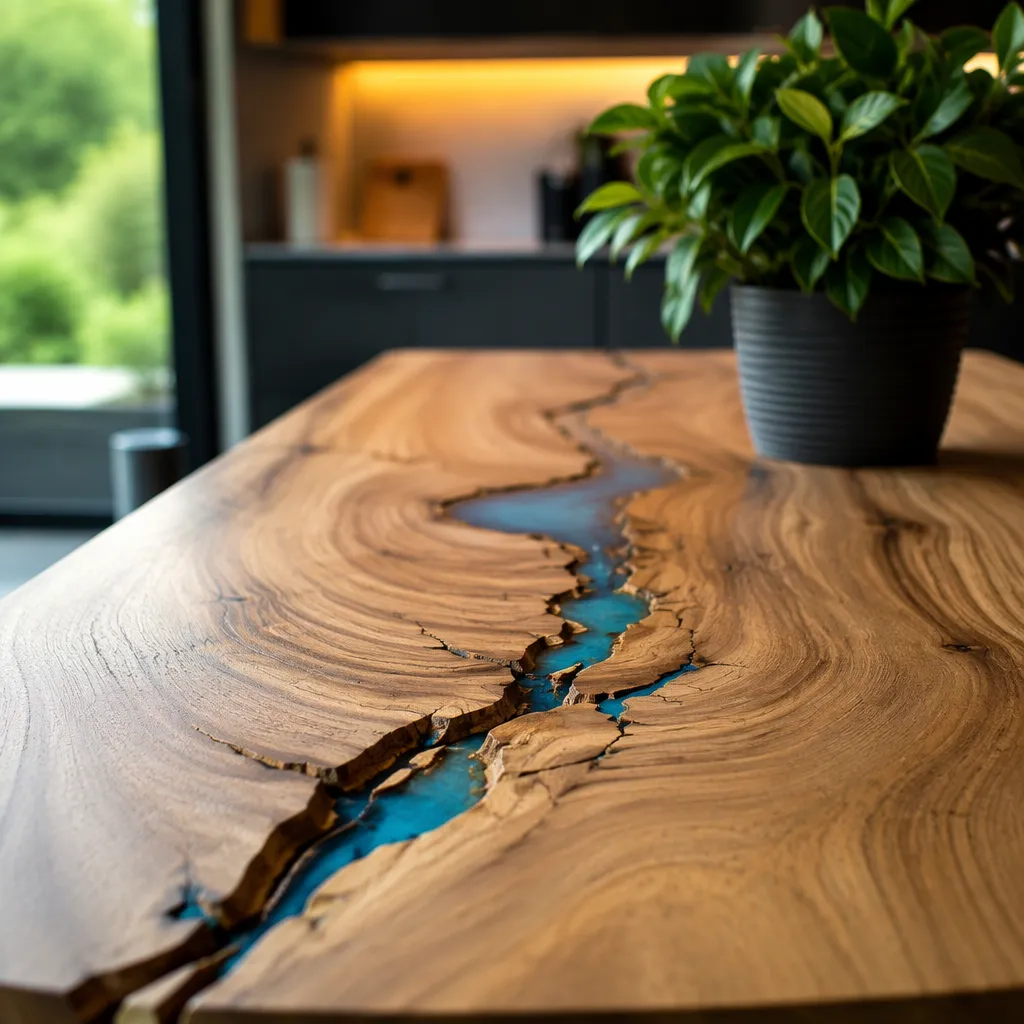
Finding the right formula for high-precision resin projects can be a real headache.
Whether you need a high-strength epoxy resin for wood crack repair that bonds seamlessly without shrinking, or a self-leveling nameplate epoxy resin that creates crystal-clear dome stickers without yellowing, choosing the wrong blend costs you time and money.
As a custom resin manufacturing specialist, I know firsthand that durability, optical clarity, and bubble-free curing make or break your finished product.
In this guide, you’ll learn exactly how to select the ideal formula, troubleshoot common curing defects, and scale your production with custom formulations.
Let’s dive right in!
What Is epoxy resin for wood crack repair Used for in Epoxy Adhesives and Repair?
High-performance epoxy resin for wood crack repair is a specialized polymer system designed to seal, stabilize, and structurally restore damaged timber. Unlike conventional wood putties that shrink or crack over time, engineered epoxy AB glue penetrates deep into fissures, voids, and split grains. It creates a permanent bond stronger than the wood itself, preserving structural integrity while enhancing the natural aesthetic of live-edge slabs, architectural beams, and fine furniture.
Main application scenarios
- Live-Edge Furniture Fabrication: Fills deep natural checks, knots, and splits in river tables and countertops prior to surface finishing.
- Hardwood Flooring Restoration: Seals structural fractures, plank gaps, and surface gouges in commercial and residential wooden floors.
- Architectural & Structural Repairs: Reinforces load-bearing timber beams, outdoor decks, and historic woodwork damaged by stress or weathering.
- Artisanal Woodworking: Acts as a transparent wood crack filler epoxy that can be left crystal-clear or tinted with pigments for decorative inlay work.
Required material properties
| Property | Benefit for Wood Repair |
|---|---|
| Low Viscosity | Enables deep capillary penetration into microscopic wood fissures. |
| Zero Shrinkage | Ensures filled voids remain perfectly flush with surrounding wood after curing. |
| High Tensile & Flexural Strength | Withstands natural wood expansion, contraction, and structural movement. |
| Strong Substrate Adhesion | Establishes a permanent chemical bond with porous cellulose fibers. |
Common user expectations
- Flawless Visual Appeal: Fabricators demand a clear repair resin that dries bubble-free and maintains high clarity without yellowing over time.
- Predictable Processing: Contractors require a forgiving mix ratio and stable pot life to avoid early gelling or curing failure during large applications.
- Superior Machinability: The cured epoxy must be easy to sand, plane, router, and polish without gumming up tools or chipping at the edges.
Performance Requirements for Epoxy Adhesives and Repair
When I formulate epoxy resin for wood crack repair, performance isn’t optional—it is the core of a lasting restore. Whether you are running a high-volume manufacturing line or sourcing premium supplies for commercial projects, high-grade repair systems must meet strict visual and structural benchmarks.
Clarity, gloss, and appearance
A top-tier clear repair resin must highlight natural grain patterns while filling voids seamlessly. Visual defects ruin fine woodwork instantly, making optical clarity essential.
| Visual Feature | Standard Target | Performance Outcome |
|---|---|---|
| Optical Clarity | Ultra-transparent base | Zero cloudiness, haze, or discoloration |
| Surface Finish | High-gloss self-leveling | Mirror-like, wet look without polishing flaws |
| Air Release | Built-in defoaming action | Flawless surface free of trapped micro-bubbles |
Adhesion and durability
Strong mechanical bonding is non-negotiable. High-performance Epoxy AB glue penetrates deep into wood fibers, functioning as a reliable wood crack filler epoxy that permanently stabilizes compromised timber.
- Deep Grain Penetration: Locks into timber pores to stop seam separation.
- Zero Shrinkage: Retains exact volume post-cure to eliminate stress cracks.
- Balanced Flexibility: Flexes with natural wood movement to prevent brittle curing failure.
Temperature, moisture, and chemical resistance
Wood expands and contracts with changing weather, meaning your adhesive must adapt without breakdown. While traditional PU glue has its place, specialized epoxy offers total environmental isolation.
- Waterproof Barrier: Seals out moisture completely to prevent wood swell and rot.
- Thermal Resistance: Holds structural integrity through hot summers and cold winters.
- Chemical Protection: Resists household cleaners, alcohol spills, and oils.
How to Select the Right epoxy resin for wood crack repair
Selecting the ideal epoxy resin for wood crack repair comes down to crack depth, viscosity, and curing environment. Choosing the right formulation ensures maximum bond strength, flawless clarity, and seamless structural integration.
Recommended formula type
We recommend matching the resin viscosity directly to the repair depth to achieve the best results:
| Crack Type | Recommended Resin Formula | Key Advantage |
|---|---|---|
| Hairline & Fine Cracks | Low-viscosity clear repair resin | Deep penetration and automatic air release |
| Deep Gaps & Knots | Medium-viscosity wood crack filler epoxy | Minimal heat buildup during thick pours |
| Quick Structural Fixes | High-viscosity Epoxy AB glue | Fast set time and high initial bond strength |
Mixing ratio and curing conditions
Proper ratio accuracy and ambient controls are essential to prevent structural defects:
- Mixing Ratios: Our formulations feature simple 1:1 or 2:1 volume ratios for straightforward job-site preparation.
- Optimal Temperature: Apply and cure between 70°F and 80°F (21°C – 27°C). Lower temperatures significantly slow down the process and risk surface tackiness.
- Avoid Curing Failure: Mix thoroughly for 3–5 minutes, scraping the sides and bottom of the container. Incomplete mixing is the primary cause of permanent curing failure.
Packaging and bulk order options
As a custom epoxy resin manufacturer, we provide scalable packaging tailored to retail brands and commercial woodworkers alike:
- Small Repair Kits: 8 oz, 16 oz, and 32 oz bottle sets ideal for quick touch-ups.
- Commercial Bulk: 1-gallon pails, 5-gallon buckets, and 55-gallon drums for high-volume manufacturing.
- Private Label Solutions: Fully customized viscosity, cure speed, and branded packaging designed for your target market.
Common Problems and Solutions
Running into issues during application can ruin an otherwise perfect wood repair project. Here is how we address the most frequent batch and application issues to keep your production running smoothly.
Bubbles, yellowing, or soft curing
Troubleshooting these core defects usually comes down to environment, formula choice, and mixing precision:
- Trapped Air Bubbles: Warm the liquid resin in a warm water bath before mixing to lower its viscosity, allowing air to escape naturally. A quick pass with a heat torch after pouring pops remaining surface bubbles.
- Yellowing Over Time: UV exposure causes standard resins to amber. Always use a UV-stabilized clear repair resin formula for visible wood fills and table tops exposed to sunlight.
- Soft Curing / Curing Failure: A sticky or rubbery finish indicates a curing failure, usually caused by incorrect mixing ratios or incomplete blending. Always measure your Epoxy AB glue accurately by weight or volume as specified, and scrape the sides and bottom of the mixing container thoroughly.
Surface defects and poor leveling
Surface fish-eyes, craters, and uneven spots happen when the resin cannot bond cleanly with the substrate:
- Contamination: Dust, oil, or high moisture in the wood cracks repels the liquid resin. Clean the repair area with isopropyl alcohol and dry the wood thoroughly before pouring.
- Cold Temperatures: Low room temperatures drastically increase resin viscosity, preventing self-leveling. Keep your workspace between 70°F and 75°F (21°C–24°C) during application and cure.
- Seal the Substrate: Porous wood absorbs resin rapidly, creating sunken spots. Apply a thin seal coat of epoxy resin for wood crack repair to porous edges before doing the final flood fill.
How to test before mass production
To avoid costly batch rejections, always validate your setup with a quick, standardized pre-production test:
| Test Step | Action Item | Success Criteria |
|---|---|---|
| 1. Small Sample Pour | Mix a 50g test batch on scrap wood from the same job lot. | Full self-leveling, clear optical clarity, no runaway exothermic heat. |
| 2. Moisture Check | Measure wood moisture with a digital pin meter. | Substrate moisture content must be below 12%. |
| 3. Hardness Verification | Allow the sample to cure for 24–48 hours at room temperature. | Cures to a rock-hard finish; passes a Shore D hardness or fingernail scratch test. |
RW Atelier Custom Manufacturing Support
At RW Atelier, we deliver tailor-made production solutions for high-performance adhesive products. Whether you need specialized epoxy resin for wood crack repair or custom adhesive formulas, our manufacturing facility supports your brand from raw development to market readiness.
Formula adjustment
We modify resin chemistry to fit your precise application demands and climate conditions:
Viscosity Control: Tailor fluid dynamics for deep voids or rapid surface filling using wood crack filler epoxy.
Cure Time Optimization: Adjust pot life to eliminate curing failure in extreme temperature or humidity levels.
Specialized System Blends: Custom-formulate Epoxy AB glue, PU glue, or ultra-clear systems like clear repair resin.
Private label packaging
Turn our proven formulas into your own distinct market line with flexible OEM and ODM options:
Flexible Container Sizes: Choice of small squeeze bottles, dual syringes, or bulk industrial drums.
Custom Labeling: Full-color branded artwork, multi-language compliance, and barcode integration.
Turnkey Retail Kits: Fully assembled repair kits complete with mixing accessories and safety gear.
Sample and bulk quotation
As a reliable custom epoxy resin manufacturer, we streamline your procurement process from day one:
Rapid Lab Samples: Test custom-tailored samples on actual wood materials before committing to large runs.
Tiered Bulk Pricing: Scalable wholesale quotes structured around your order volumes.
Direct Factory Costs: Transparent pricing structure with guaranteed consistent quality across every batch.
What Is nameplate epoxy resin Used for in Dome Sticker Epoxy Resin?
We design nameplate epoxy resin specifically to create high-end, 3D protective domes over printed labels, metal tags, and graphics. Often referred to as doming resin, this specialized material caps flat stickers with a lens-like clear coating that boosts visual appeal and guards against daily wear.
Main application scenarios
We supply nameplate epoxy resin across several core manufacturing and custom print operations:
- Industrial Equipment Badges: Control panel overlays, machine rating plates, and appliance logos.
- Automotive Decals: Exterior emblems, trim accents, and dealer branding tags.
- Promotional Items: Keychains, metallic stickers, and branded corporate merchandise.
- Custom Printed Decals: High-gloss vinyl dome stickers for consumer electronics and retail goods.
Required material properties
Achieving a clean, raised dome requires a balanced chemical formulation:
| Property | Benefit in Production |
|---|---|
| High Surface Tension | Self-levels to the sticker edge without overflowing |
| Optical Clarity | Magnifies artwork while preserving true background colors |
| Controlled Flexibility | Prevents cracking when applied to curved surfaces |
| UV Resistance | Shields the resin from yellowing under UV exposure |
Common user expectations
Our commercial clients demand reliable curing behavior and long-term durability. Key expectations include:
- Self-Defoaming Performance: Quick release of trapped micro-bubbles during automatic dispensing.
- Flawless High-Gloss Finish: A smooth, tack-free surface with lasting depth.
- Strong Substrate Bonding: Firm adhesion to PET, aluminum, vinyl, and coated paper without peeling.
Performance Requirements for Dome Sticker Epoxy Resin
When we supply high-grade nameplate epoxy resin for domed stickers and custom decals, performance is non-negotiable. A top-tier doming resin must protect the underlying graphics while creating a clear, high-end 3D lens effect.
Clarity, gloss, and appearance
We engineer our doming formulas for maximum optical transparency and a glossy 3D finish that pops.
- High Gloss Finish: Delivers a crystal-clear, deep lens effect that enhances printed graphics.
- Self-Leveling: Flow properties ensure the resin spreads smoothly to the sticker edge without spilling over.
- Anti-Yellowing: UV inhibitors maintain clarity indoors and outdoors, preventing yellowing over time.
| Performance Indicator | Standard Resin | Premium Nameplate Epoxy Resin |
|---|---|---|
| Optical Clarity | Basic | High Transparency |
| UV Resistance | Low / Medium | Extended Outdoor Grade |
| 3D Lens Height | Flat / Low Dome | High-Build Dome |
Adhesion and durability
Proper adhesion keeps stickers from peeling, lifting at the edges, or delaminating under stress.
- Substrate Compatibility: Engineered as a high-tack Epoxy AB glue system (or specialized PU glue alternative) that bonds tightly to metal, vinyl, polyester, and printed graphics.
- Flexibility: Maintains a tough, flexible memory layer that bends with the substrate without cracking.
- Scratch Resistance: Self-healing surface characteristics protect against scuffs and everyday wear.
Temperature, moisture, and chemical resistance
Dome stickers are exposed to tough environments on vehicles, industrial equipment, and outdoor gear.
- Weather & Water Resistance: Waterproof seal prevents fogging, cloudiness, or edge lift in humid conditions.
- Chemical Shield: Resists degradation from mild solvents, household cleaners, oils, and fuels.
- Thermal Stability: Handles heat and cold cycles without shrinkage, surface distortion, or curing failure.
How to Select the Right nameplate epoxy resin
Choosing the right nameplate epoxy resin ensures your dome stickers achieve maximum optical depth, a high-gloss finish, and long-term durability without yellowing or peeling.
Recommended formula type
- Flexible Epoxy AB Glue: Best for curved surfaces, flexible decals, and branding badges. It provides high impact resistance and prevents edge lifting over time.
- Rigid Epoxy Resin: Ideal for flat metal nameplates, industrial equipment tags, and rigid labels that require high scratch resistance.
- Polyurethane (PU Glue) Alternative: Recommended for extreme outdoor exposure where long-term UV stability and maximum yellowing resistance are required.
Mixing ratio and curing conditions
Accurate mixing ratios and controlled curing conditions are crucial to achieving a bubble-free, crystal-clear dome profile.
| Formula Type | Mixing Ratio (by Weight) | Pot Life (25°C) | Full Cure Time | Primary Advantage |
|---|---|---|---|---|
| Standard Doming Resin | 3:1 or 2:1 | 30–45 mins | 24 hrs (Room Temp) | Excellent surface tension for smooth high domes |
| Fast-Cure Epoxy | 1:1 | 15–20 mins | 2–4 hrs (Heat Cure) | Optimized for automated high-speed production |
| Flexible PU Glue | 1:1 | 20–30 mins | 12–16 hrs | Superior non-yellowing outdoor performance |
Packaging and bulk order options
As a dedicated custom epoxy resin manufacturer, we supply versatile packaging tailored directly to your production setup:
- Dual Cartridges: 50ml and 400ml dual-barrel cartridges for rapid, low-waste manual dispensing.
- Industrial Bulk: 5kg jugs, 20kg pails, and 200kg drums ready for automated dispensing machinery.
- Private Labeling: Custom viscosities, tailored cure speeds, and branded packaging options engineered to match your operational needs.
