
Carbon Fiber Epoxy Coating for Composite Fiberglass Resin
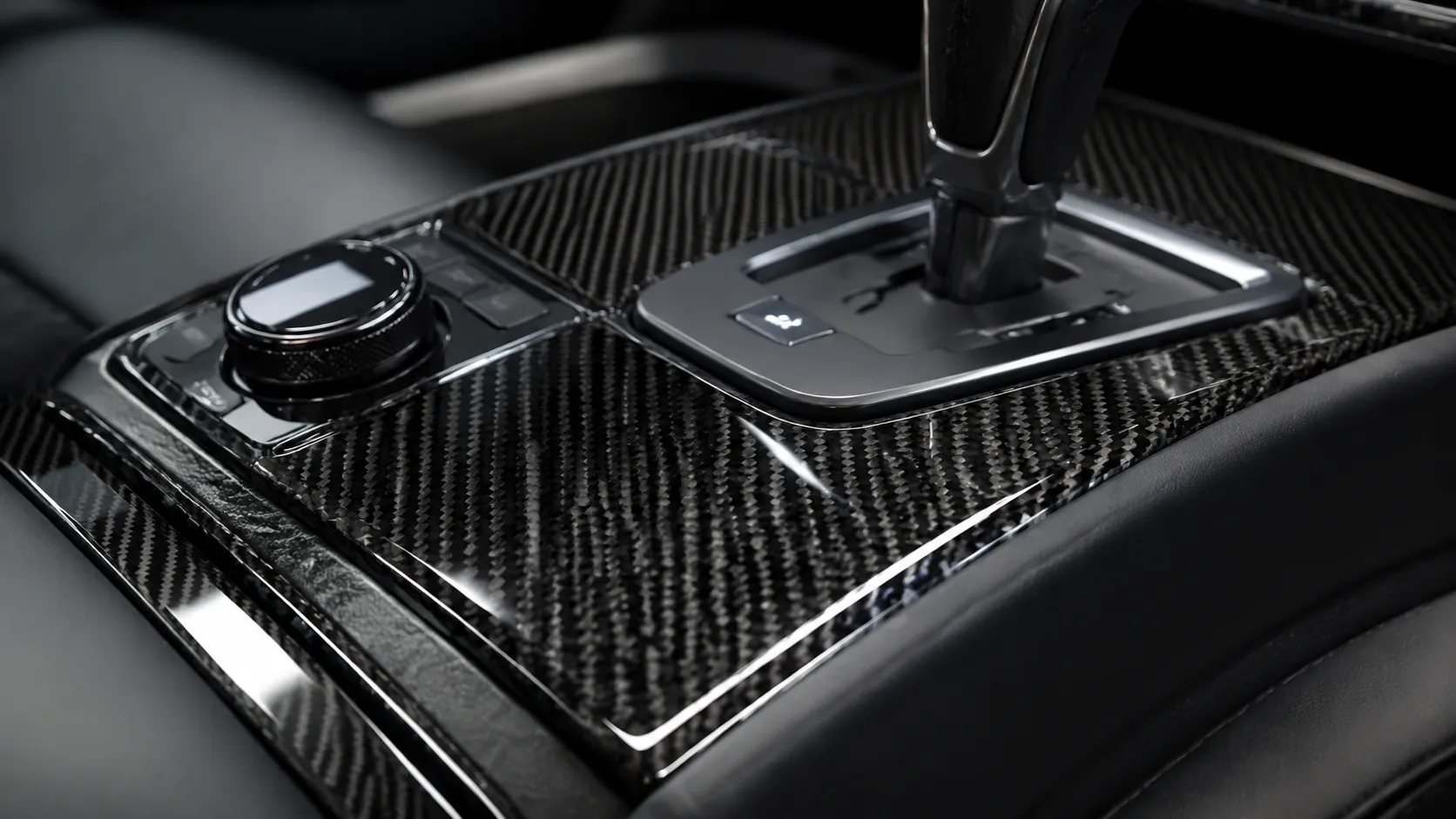
Ever wondered how some composite projects achieve that flawless, mirror-like finish while others end up cloudy, full of bubbles, or sticky?
It all comes down to one critical ingredient: your carbon fiber epoxy coating.
Whether you are manufacturing high-performance sporting goods, aerospace parts, or custom marine gear, selecting the right composite and fiberglass resin is the ultimate make-or-break decision. You need a formula that delivers pristine clarity and gloss, ironclad adhesion, and the rugged temperature and chemical resistance to survive real-world abuse.
In this quick guide, we’re cutting through the marketing noise to show you exactly how to choose the perfect carbon fiber epoxy coating for your production line, avoid costly curing disasters, and scale your manufacturing seamlessly.
Let’s dive right in.
What Is carbon fiber epoxy coating Used for in Composite and Fiberglass Resin?
A premium carbon fiber epoxy coating serves as both a protective seal and a high-grade finishing matrix in modern composite manufacturing. When combined with fiberglass resin or raw carbon weave, it penetrates the fibers to create a structural laminate that delivers unmatched strength-to-weight performance.
Main application scenarios
Our specialised coatings power high-performance industries worldwide, providing critical structural support and surface protection across demanding fields:
- Automotive carbon fiber: Used on hoods, spoilers, mirror caps, and chassis components to reduce weight while enduring high road vibrations.
- Water sports & marine: Applied as a durable paddle board coating and hull sealant, offering waterproof protection against salt water and impacts.
- Sporting goods: Essential for fishing rod epoxy treatments, bicycle frames, and gear requiring high flexural strength without cracking.
- Industrial composites: Enhances structural fiberglass resin laminates, drone frames, and aerospace housings.
Required material properties
To perform under heavy load and environmental stress, high-quality carbon fiber coating formulations must meet strict technical parameters:
| Property Category | Key Metric / Feature | Operational Benefit |
|---|---|---|
| Optical Clarity | Crystal-clear, non-yellowing base | Highlights the depth of the carbon weave underneath |
| Mechanical Strength | High tensile & flexural modulus | Prevents micro-cracking during extreme flexing |
| Environmental Shielding | Integrated UV resistant epoxy additives | Stops yellowing, chalking, and degradation from sunlight |
| Surface Viscosity | Low initial viscosity | Ensures rapid air-release and deep fiber penetration |
Common user expectations
Global buyers and manufacturers expect consistent, professional-grade results from every batch of Epoxy AB glue and composite coating systems:
- High Gloss Resin Finish: A mirror-like surface gloss that eliminates the need for excessive clear-coating steps.
- Easy Bubble Release: Self-leveling formulas that naturally purge trapped micro-bubbles during room-temperature curing.
- Superior Interlayer Adhesion: Strong chemical bonds between composite layers to eliminate delamination under stress.
- Reliable Thermal Tolerance: Stable performance under changing climate conditions, maintaining structural integrity across varied environments.
Performance Requirements for Composite and Fiberglass Resin
To get professional-grade results on carbon fiber and fiberglass, the resin system must meet strict physical and aesthetic standards. Whether you are coating automotive parts, marine hulls, or sports gear, the protective layer has to perform under pressure.
Here are the key performance metrics we formulate our resins to meet.
Clarity, gloss, and appearance
A premium carbon fiber coating must deliver a flawless, liquid-like finish that accentuates the woven fabric underneath. This requires a high-transparency formula that resists yellowing and maintains a wet-look shine over time.
- Optical Clarity: Zero cloudiness or milkiness after curing to keep the carbon weave sharp.
- High Gloss Index: A mirror-like, high-gloss surface finish straight out of the mold or after polishing.
- UV Resistance: Fortified with UV stabilizers to prevent ambering and degradation from sunlight exposure.
Adhesion and durability
A carbon fiber epoxy coating must bond permanently to the underlying laminate without risk of delamination, peeling, or cracking under mechanical stress.
| Performance Property | Standard Metric | Benefit |
|---|---|---|
| Interlaminar Adhesion | Excellent cross-linking | Prevents peeling between the composite layout and topcoat |
| Impact Resistance | High toughness | Resists chipping from road debris, rocks, and drops |
| Flexibility | Balanced modulus | Bends with the composite part without cracking the finish |
| Scratch Resistance | High pencil hardness (up to 2H-3H) | Keeps the surface looking new under daily wear and tear |
Temperature, moisture, and chemical resistance
Composite parts often operate in harsh outdoor, marine, or automotive environments. The cured resin must act as a barrier shield against environmental degradation.
- Thermal Stability: High Heat Deflection Temperature (HDT) prevents softening or warping in hot engines or direct summer sunlight.
- Moisture Barrier: Low water absorption rates prevent blistering, cloudiness, and osmotic damage in marine applications like paddle boards and boat parts.
- Chemical Defense: Shrugs off exposure to gasoline, motor oil, household cleaners, and salt spray without losing gloss or structural integrity.
How to Select the Right carbon fiber epoxy coating
Selecting the correct carbon fiber epoxy coating is critical to achieving a flawless, durable finish that protects the underlying weave. As a leading custom epoxy resin manufacturer, we design our formulas to meet rigorous global standards, ensuring your composites look premium and perform under pressure.
Recommended formula type
For coating carbon fiber, we recommend a high-performance epoxy AB glue system specifically engineered for clarity and resilience.
| Application Need | Recommended Formula Type | Key Features |
|---|---|---|
| High-Gloss Cosmetic Finish | UV Resistant Epoxy / High Gloss Resin | Extreme optical clarity, non-yellowing, self-leveling |
| Heavy-Duty & Sports Gear | Impact-Resistant Composite Coating | Flexible, high tensile strength, chip-resistant |
| Rapid Prototyping | Fast-Curing UV Resin / Thin-Film Epoxy | Quick processing, low viscosity, excellent wetting |
For outdoor applications like automotive carbon fiber, paddle boards, or fishing rods, we always integrate premium UV stabilizers directly into our UV resistant epoxy to prevent discoloration from sun exposure.
Mixing ratio and curing conditions
Achieving the perfect cure requires strict adherence to mixing ratios and environmental controls. Our standard formulations are optimized for ease of use and consistent results.
- Mixing Ratio: Typically 2:1 or 1:1 by weight or volume (depending on the custom formula selected). Precise measurement is critical to avoid sticky spots or brittle finishes.
- Viscosity: Low viscosity is preferred for carbon fiber coating to ensure the resin fully wets the fabric and releases trapped air easily.
- Curing Temperature: Best results occur at 25°C (77°F).
- Cure Time:
- Pot Life: 30–45 minutes (gives you ample time to apply and level).
- Tack-Free: 8–12 hours.
- Full Cure: 24–72 hours (post-curing at elevated temperatures can further boost thermal resistance).
Packaging and bulk order options
As an experienced OEM/ODM supplier operating out of our high-capacity factory, we offer flexible bulk supply options tailored to global distribution and manufacturing needs. All shipments are fully documented with SDS/MSDS and produced under strict ISO 9001 quality management.
- Sample Testing Kits: 1 kg to 5 kg trial sets to verify performance on your specific carbon fiber parts.
- Standard Wholesale Packaging: 20 kg pails and 200 kg drums for streamlined production lines.
- Custom Private Labeling: We provide fully branded packaging, custom container sizes, and tailored labeling for retail or industrial distribution.
Common Problems and Solutions
Working with carbon fiber epoxy coating requires precision. Even small mistakes in temperature, mixing, or application can ruin the finish of your composite parts. Here is how to troubleshoot the most common issues and keep production running smoothly.
Bubbles, yellowing, or soft curing
These three issues are almost always related to mixing ratios, temperature, or product selection:
- Trapped Bubbles: Usually caused by mixing too vigorously or applying the coating in cold temperatures. Always mix your Epoxy AB glue slowly in a stable environment (around 25°C) and use a heat gun or propane torch to pop surface bubbles immediately after pouring.
- Yellowing: Standard epoxies degrade under solar exposure. For outdoor applications like automotive parts or sporting goods, you must use a specialized UV resistant epoxy to prevent ambering over time.
- Soft Curing (Sticky Surface): This happens when the mixing ratio is off or the room is too cold. Epoxies do not dry; they cure through a chemical reaction. Measure your resin and hardener strictly by weight or volume as specified, and never add extra hardener hoping for a faster cure—it will only weaken the final structure.
Surface defects and poor leveling
Achieving a flawless, mirror-like finish requires a clean workspace and the right material properties:
- Fish Eyes and Craters: These parting separations occur when the liquid carbon fiber coating pulls away from contaminants on the surface, such as grease, wax, silicone, or sweat. Always prep the substrate by sanding it lightly and wiping it down thoroughly with isopropyl alcohol before coating.
- Orange Peel Texture: This wavy surface texture happens when the coating is applied too thickly or the room temperature drops, preventing the resin from flowing out smoothly. Choosing a low-viscosity high gloss resin ensures excellent self-leveling performance.
How to test before mass production
Before launching a full manufacturing run, always perform small-scale sample testing to verify compatibility and performance:
| Test Type | How to Perform It | What to Look For |
|---|---|---|
| Adhesion Test | Apply the coating to a small carbon fiber laminate sample, let it cure fully, and perform a cross-hatch tape test. | The coating must not peel or chip away from the carbon fiber sheet. |
| Hardness Test | Use a Durometer (Shore D) to check the cured surface after 24 to 72 hours. | It should reach the specified hardness rating to ensure durability. |
| Environmental Exposure | Place a cured sample under a UV lamp or in a high-moisture chamber. | Monitor for early signs of yellowing, clouding, or delamination. |
RW Atelier Custom Manufacturing Support
We back your production line with end-to-end OEM/ODM capabilities. As a dedicated custom epoxy resin manufacturer operating under strict ISO 9001 standards, RW Atelier delivers high-performance formulations directly from our advanced factory to streamline your supply chain.
Formula adjustment
Every composite application has unique demands. Whether you need an ultra-clear, high gloss resin with enhanced UV resistant epoxy properties for automotive carbon fiber, or a highly flexible formula for fishing rod epoxy and paddle board coating, we modify the chemical structure to fit. Our engineers adjust viscosity, pot life, cure times, and thermal resistance to match your specific application equipment.
Private label packaging
Build your brand presence with retail-ready, professional packaging solutions. We provide comprehensive private label services for epoxy AB glue, UV resin, and PU glue.
- Custom Sizing: Options ranging from small dual-cartridges to bulk drums.
- Branded Labels: High-durability labels designed to withstand chemical exposure.
- Compliance Support: Complete SDS/MSDS documentation provided for global shipping and regulatory compliance.
Sample and bulk quotation
We make transitioning from testing to full-scale production simple and risk-free. Our process ensures you get the exact performance you expect before placing a large order.
- Sample Testing: Request custom-formulated samples to run on your actual production parts.
- Bulk Supply: Secure competitive, tiered wholesale pricing on large-scale production runs.
- Direct Quotations: Receive a comprehensive technical data sheet alongside a transparent cost breakdown tailored to your order volume.
