
Wet Layup Epoxy Resin for Fiberglass Composite Lamination
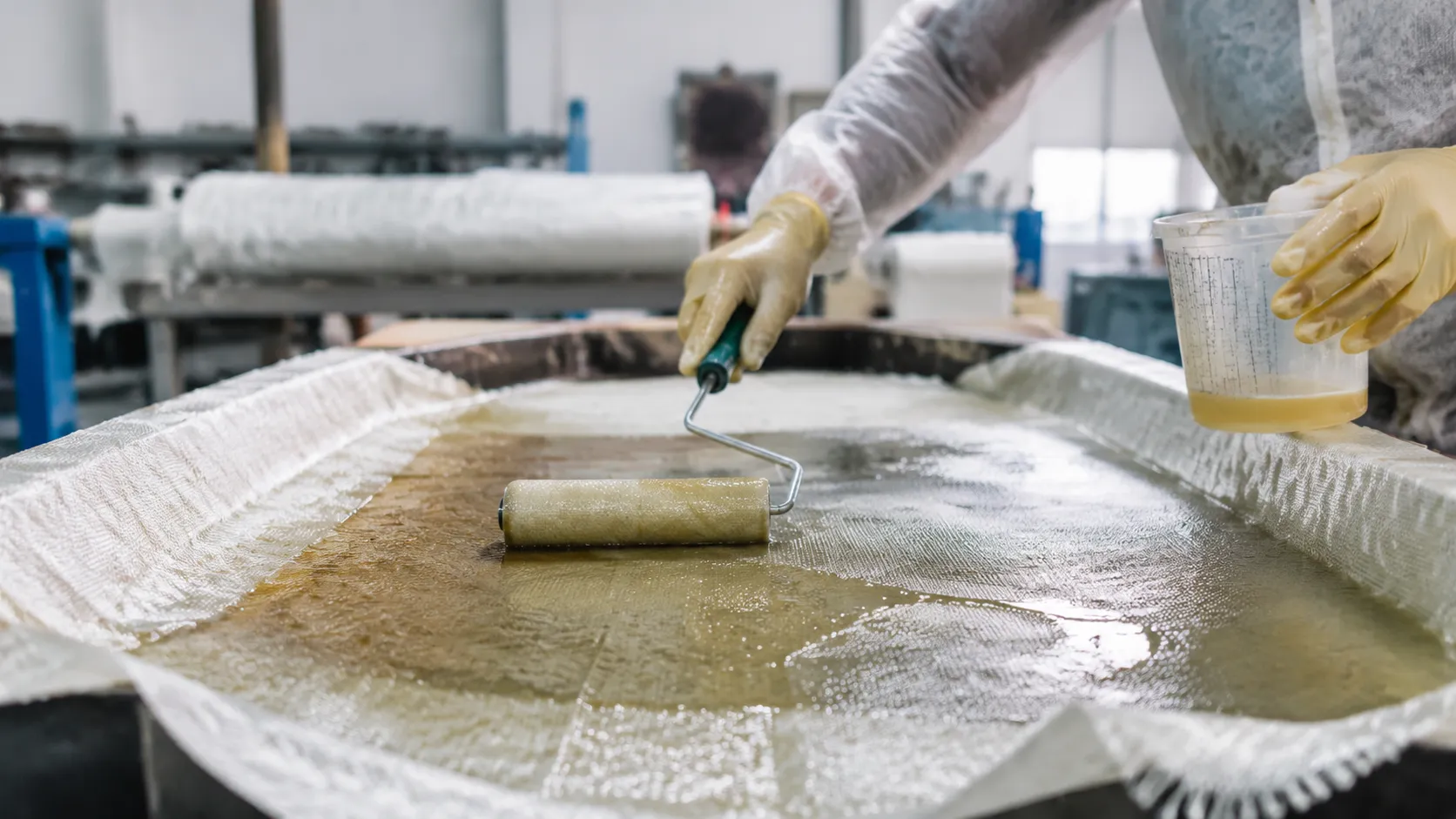
You might already know that wet layup epoxy resin is the absolute backbone of high-performance composite and fiberglass manufacturing.
But how do you consistently achieve that flawless, high-gloss finish without dealing with the nightmare of sticky, soft curing or trapped bubbles?
Whether you are laminating marine hulls, automotive panels, or custom structural parts, selecting the exact right formula makes or breaks your final product.
Let’s dive straight into the ultimate guide to mastering wet layup epoxy resin, optimizing your material properties, and scaling your production.
What Is wet layup epoxy resin Used for in Composite and Fiberglass Resin?
Main application scenarios
Wet layup epoxy resin is the industry standard for manual laminating processes in composite manufacturing. This high-performance system is widely utilized across the global market for fabricating and repairing lightweight, high-strength structures.
- Marine Construction & Repair: Sealing, laminating, and repairing hulls, decks, and marine components using fiberglass resin.
- Automotive & Aerospace Parts: Manufacturing lightweight carbon fiber panels, custom body kits, and aerodynamic components.
- Sporting Goods: Building durable surfboards, skis, snowboards, and bicycle frames.
- Industrial Laminating: Reinforcing storage tanks, pipes, and structural molds.
Required material properties
To ensure successful hand layup epoxy applications, the resin system must meet strict mechanical and physical specifications:
- Low Viscosity: A low viscosity epoxy is essential to quickly and thoroughly wet out reinforcing fibers (like fiberglass, carbon fiber, or aramid) without leaving dry spots.
- Controlled Working Time: An optimized working time (pot life) ensures that technicians have sufficient time to align, drape, and roll out the fabric before gelation begins.
- Superior Interlaminar Adhesion: The cured matrix must form a molecular bond with the fibers, transferring mechanical loads efficiently and preventing delamination.
- Excellent Air Release: Formulated to allow microscopic air bubbles to escape easily during application, minimizing structural voids.
Common user expectations
Industrial buyers, distributors, and composite manufacturers expect consistent quality and reliable processing behavior from their wet layup resin:
Zero Tolerance for Defects: Global buyers demand consistent batch-to-batch viscosity and curing rates to eliminate unpredictable production delays or structural failures.
- Consistent Wet-Out Speed: The resin must penetrate thick woven fabrics rapidly to reduce labor time per part.
- Minimal Shrinkage: High dimensional stability during room temperature or elevated heat cures to prevent part warping.
- Safe Handling Profile: Low odor, low volatile organic compound (VOC) emissions, and clear safety documentation (SDS/MSDS) for workshop environments.
Performance Requirements for Composite and Fiberglass Resin
To deliver high-performance composite parts, your wet layup epoxy resin must meet strict physical and aesthetic standards. We design our formulas to excel in three critical areas.
Clarity, gloss, and appearance
For carbon fiber cosmetics or clear fiberglass laminates, appearance is everything. Our hand layup epoxy cures to a crystal-clear, water-white finish with a high-gloss surface.
- Zero cloudiness: Ensures the weave pattern of your fabric pops.
- UV resistance: Prevents premature yellowing when exposed to sunlight.
Adhesion and durability
A composite is only as strong as its resin matrix. Our low viscosity epoxy penetrates deep into fabric fibers, establishing a permanent, high-strength bond.
- High shear strength: Prevents delamination under heavy structural loads.
- Flexibility: Absorbs impacts without micro-cracking.
Temperature, moisture, and chemical resistance
Composite manufacturing often demands parts that survive harsh environments. Our wet layup resin forms a highly cross-linked polymer network that shrugs off environmental stressors.
| Performance Metric | Target Standard | Key Benefit |
|---|---|---|
| Heat Deflection (HDT) | Up to 80°C+ (post-curing) | Maintains structural stiffness in hot environments. |
| Moisture Absorption | < 0.5% | Prevents blistering and degradation in marine uses. |
| Chemical Resistance | High | Resists fuels, oils, and mild acids/alkalis. |
How to Select the Right Wet Layup Epoxy Resin
Selecting the right formula determines the ultimate strength, weight, and finish of your composite parts. As a custom epoxy manufacturer, we design our systems to match specific shop conditions and performance standards. Here is how to choose the ideal setup for your production line.
Recommended formula type
For hand layup and wet layup applications, viscosity and working time are the two most critical factors. A low-viscosity epoxy is essential to ensure rapid, complete fabric wet-out without trapping air.
- Standard Wet Layup Resin: Best for general fiberglass resin work, carbon fiber laminates, and classic hand layup setups. It offers excellent vertical hold without excessive draining.
- High-Penetration Formula: Formulated with ultra-low viscosity for dense fabrics (like Kevlar or heavy woven roving) where maximum fiber saturation is required.
Mixing ratio and curing conditions
We supply our wet layup systems in precise, easy-to-mix ratios. These systems can be tailored with slow, medium, or fast hardeners to match your shop’s ambient temperature and part size.
| Hardener Type | Mixing Ratio (By Weight) | Pot Life / Working Time (at 25°C) | Demold Time | Primary Cure Temp |
|---|---|---|---|---|
| Fast Cure | 100:30 (or 2:1 / 3:1) | 15–20 minutes | 2–4 hours | Room Temp (20–25°C) |
| Medium Cure | 100:30 (or 2:1 / 3:1) | 40–50 minutes | 8–12 hours | Room Temp (20–25°C) |
| Slow/Post-Cure | 100:30 (or 2:1 / 3:1) | 90–120 minutes | 24 hours | Room Temp + Heat Post-Cure |
Pro Tip: While these systems cure at room temperature, applying a post-cure cycle (heating the part to 60–80°C for a few hours) significantly boosts the glass transition temperature (Tg) and structural strength.
Packaging and bulk order options
As an OEM/ODM supplier operating out of our specialized factory, we accommodate everything from initial sample testing to continuous high-volume production lines. All shipments include complete SDS/MSDS sheets and conform to ISO 9001 quality control standards.
- Trial & Sample Kits: 1 kg and 5 kg kits for formula validation and pilot runs.
- Standard Industrial Packs: 20 kg / 25 kg plastic pails for medium-scale composite manufacturing.
- Bulk Supply: 200 kg steel drums and 1,000 kg IBC totes for automated dispensing systems and high-volume commercial production.
Common Problems and Solutions
Bubbles, Yellowing, or Soft Curing
- Air Bubbles: Stirring too quickly whips air into your hand layup epoxy. Cold workshop temperatures make the wet layup resin too thick to release air.
- Solution: Warm your resin components in a warm water bath before mixing to lower viscosity and let bubbles escape. Use a slow, folding stir motion, and sweep a heat gun or torch over the wet laminate to burst surface bubbles.
- Yellowing: Prolonged UV exposure or expired materials will degrade clarity over time.
- Solution: Store inventory in dark, cool areas. If your composite parts will face direct sunlight, choose a formulation stabilized with UV blockers and hindered amine light stabilizers (HALS).
- Soft Curing: Off-ratio mixing or working in a room below 70°F (21°C) halts the chemical cross-linking.
- Solution: Measure strictly by weight or volume as specified by the technical data sheet (TDS). Maintain a warm curing environment. Never add extra hardener to speed up the cure, as this actually ruins the chemical balance and leaves the piece permanently soft.
Surface Defects and Poor Leveling
In composite manufacturing, poor surface wetting leads to dry spots, “orange peel” textures, or pinholes.
- Fish-eyes and Craters: These happen when surface contamination (like wax, grease, moisture, or silicone spray) repels the liquid low viscosity epoxy.
- Solution: Thoroughly clean and degrease molds and tools. Wipe down substrates with isopropyl alcohol before applying your resin.
- Poor Leveling and Orange Peel: Often stems from working past the resin’s usable working time or using a roller too aggressively.
- Solution: Apply the resin in thin, even coats. Use a foam brush to gently “tip off” the surface right after rolling to flatten out the texture and break surface bubbles.
How to Test Before Mass Production
Before rolling out a massive fiberglass resin production run, run these three quick calibration tests:
- The Cup Test: Mix a small 100-gram batch in a clean, unwaxed cup. Verify the exact gel time and monitor the heat buildup (exotherm) to make sure the working time fits your shop’s actual ambient temperature.
- Small-Scale Layup: Laminate a single square foot of your target reinforcement (carbon fiber or fiberglass) using your actual mold and release agent. Check how easily the fiber wets out, look for any bridging in tight corners, and test how cleanly the cured part releases.
- Hardness and Bond Test: Once cured, use a Barcol hardness tester or a simple scratch test to ensure the system has fully cross-linked. Perform a simple manual flex or peel test on a scrap sample to verify high interlaminar adhesion.
RW Atelier Custom Manufacturing Support
At RW Atelier, we build partnerships that help your business scale. We do not just ship products; we manufacture tailored solutions designed to integrate directly into your production lines. If you need a reliable custom epoxy resin manufacturer to support your supply chain, we deliver the quality, consistency, and certifications you demand.
Formula Adjustment
Every manufacturing floor has its own set of variables, from ambient shop temperatures to complex part geometries. We adjust our wet layup epoxy resin formulas to match your exact processing requirements.
- Viscosity Tuning: We formulate ultra-low viscosity epoxy systems for deep fabric penetration, or higher body resins to prevent drain-out on vertical surfaces.
- Curing Profile Modifications: We can alter the working time (pot life) from a fast 15 minutes to an extended 4 hours, accommodating both small parts and massive composite structures.
- Performance Upgrades: We inject targeted additives to enhance UV stability, impact toughness, flexibility, or high-temperature resistance based on your application.
Private Label Packaging
We help you build your brand equity with professional, retail-ready, or industrial-grade private label packaging. Our turn-key packaging services keep your branding consistent and compliant.
- Diverse Container Sizes: We package systems from small Epoxy AB glue squeeze bottles and UV resin kits to standard gallon jugs, 5-gallon pails, and 55-gallon drums for industrial use.
- Regulatory Compliance: Every private label shipment leaves our factory with fully compliant labeling, including clear instructions, mixing ratios, GHS hazard warnings, and up-to-date SDS/MSDS documentation.
- Custom Brand Integration: You provide your logos and design guidelines, and we handle the precise application to ensure a premium look for your product line.
Sample and Bulk Quotation
We keep our sourcing pipeline clear, fast, and highly professional. Whether you are validating a new formula or scaling up to full container loads, we provide structured support at every step.
- Rigorous Sample Testing: We provide physical samples of our wet layup resin and fiberglass resin so your engineering team can run hands-on laminate tests before making a bulk commitment.
- Tiered Volume Pricing: Our direct-from-factory pricing scales with your business. We offer highly competitive rates on bulk supply orders, pallet shipments, and full container loads (FCL).
- Certified Quality: Every batch is manufactured under strict quality control standards at our Dongguan factory and is fully ISO 9001 certified to ensure absolute consistency from the first drum to the last.
