
Epoxy Blushing Explained How Humidity Causes White Haze and
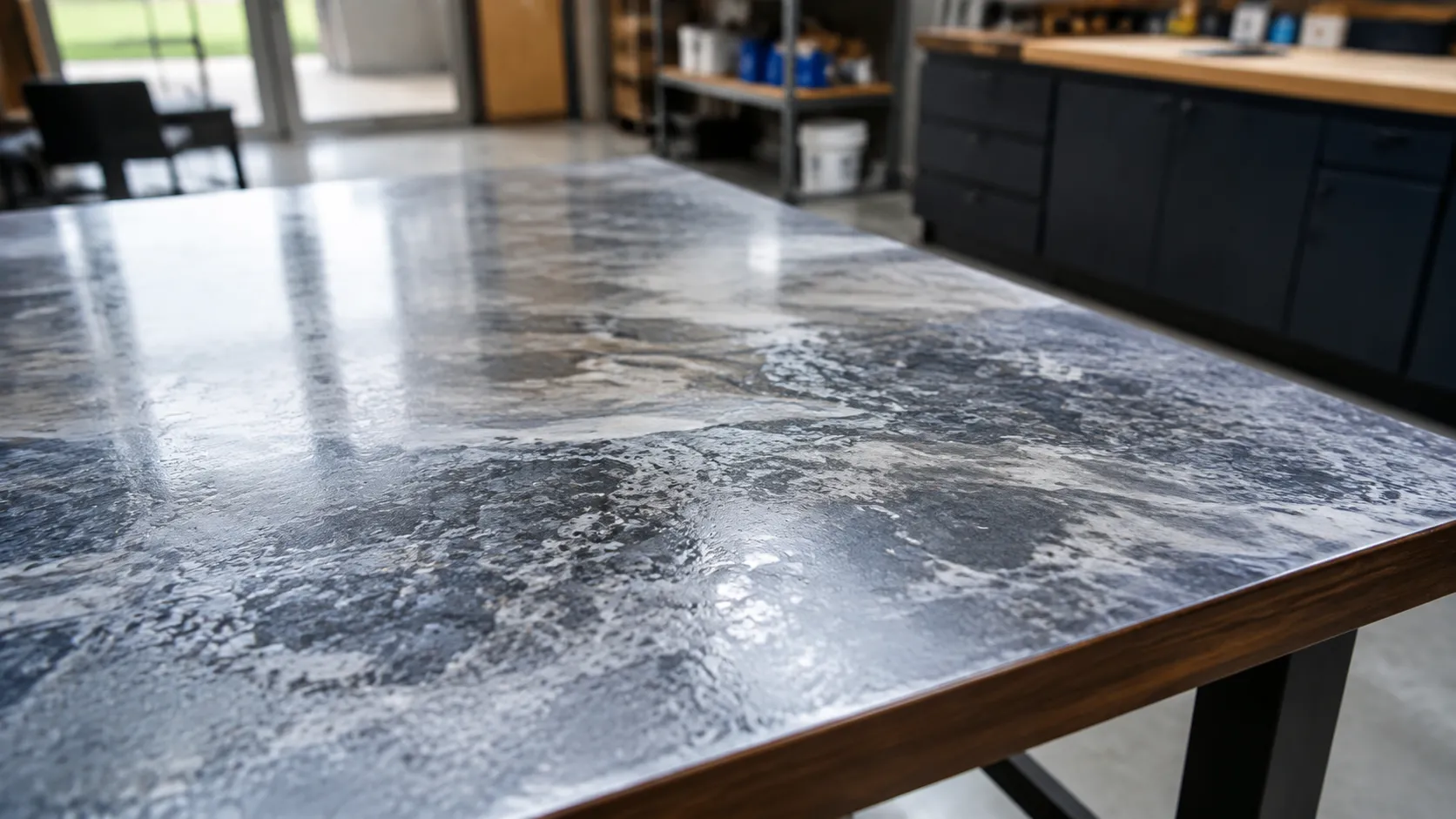
You might have noticed a frustrating phenomenon during your latest floor project: that flawless, glossy finish suddenly turns into a cloudy, milky mess.
It’s called epoxy blushing (or 环氧施工发白), and it’s a nightmare for contractors and DIYers alike.
Why does this happen? It usually comes down to a silent culprit: humidity and moisture interference during the curing process.
But don’t panic—your floor isn’t ruined forever. In this quick guide, I’m going to break down exactly what causes this reaction and share the proven solutions to fix and prevent epoxy blushing so you can get back that crystal-clear, professional finish.
Let’s dive right in.
Why Epoxy Coating Turns White: Understanding the Problem
During an industrial or commercial flooring project, few things are more frustrating than watching a freshly applied coating lose its pristine finish. A common and problematic issue encountered by applicators globally is when the surface mysteriously develops a cloudy, milky, or chalky white appearance. In the resin and coatings industry, this phenomenon is widely known as epoxy blushing.
This aesthetic defect is not just a surface blemish; it indicates a compromised chemical process. When a system undergoes epoxy blushing, it typically exhibits several distinct symptoms:
- Milky or Cloudy Film: A hazy, white sheen that masks the intended color and clarity of the floor.
- Sticky or Greasy Texture: An oily, waxy residue left on the surface, often referred to as an “amine exudate.”
- Reduced Performance: Lowered chemical resistance, decreased gloss retention, and a higher susceptibility to yellowing or premature wear.
When epoxy blushing occurs, it signifies that the curing environment has interfered with the material’s chemistry, preventing the resin and hardener from bonding correctly. Understanding exactly why this white film forms is the first step toward preventing costly re-work and ensuring a flawless, high-performance finish.
Why High Humidity Triggers Epoxy Blushing
When you notice your resin floor turning milky or greasy, you are dealing with epoxy blushing. High humidity is the primary catalyst for this chemical failure. When moisture levels in the air exceed 85%, the curing process gets disrupted.
The Chemistry of Moisture Interference
During application, the epoxy coating is highly sensitive to environmental conditions. High humidity introduces excess moisture into the curing environment, causing a destructive chain reaction:
- Amine Reaction: The amine curing agent in the epoxy reacts with water vapor and carbon dioxide ($CO_2$) in the air instead of binding with the resin.
- Carbamate Formation: This improper reaction creates a byproduct known as an amine carbamate.
- Surface Blushing: The carbamate bleeds to the surface as it cures, developing that unwanted white, hazy film or sticky texture.
Critical Environmental Limits
| Environmental Factor | Ideal Range | Risk Zone (Blushing Likely) |
|---|---|---|
| Relative Humidity | 40% – 70% | Above 85% |
| Substrate Temperature | 60°F – 80°F | Within 5°F of Dew Point |
If you apply coatings when the substrate temperature drops too close to the dew point, moisture condenses directly onto the wet film. This trapped moisture guarantees epoxy blushing, ruining both the gloss and the structural integrity of your finish.
3. Fixing and Preventing Epoxy Blushing
If you are already dealing with epoxy blushing, don’t panic. This cloudy, white film can be fixed, and future issues can be easily prevented with the right technique. Here is exactly how we handle it to restore a flawless, professional finish.
How to Fix Existing Epoxy Blushing
When the amine reaction occurs and leaves a hazy moisture trap on your floor or countertop, you cannot just coat over it. You must remove the byproduct first.
- Scrub and Wash: Do not use solvents initially. Wash the surface thoroughly with warm, soapy water or a specialized commercial degreaser using a stiff nylon brush. This breaks down the water-soluble carbamate film.
- Rinse and Dry: Rinse the area completely with clean water and let it dry 100%.
- Sand the Surface: Once dry, lightly sand the cloudy area to create a mechanical bond profile.
- Apply a Fresh Topcoat: Wipe away the dust and apply a new layer of epoxy under the right environmental conditions.
Proactive Prevention Tips
Managing humidity and environmental conditions during application is the absolute key to eliminating this issue from your workflow entirely.
| Prevention Step | Action Required | Why It Matters |
|---|---|---|
| Check Dew Point | Keep application temperatures at least 3°C (5°F) above the dew point. | Prevents microscopic condensation from triggering the amine blush. |
| Control Humidity | Maintain indoor relative humidity below 70% using dehumidifiers. | Excess moisture in the air directly causes the chemical haze. |
| Avoid Late Cuts | Do not apply epoxy late in the afternoon if nighttime temperatures drop rapidly. | Rapid cooling traps moisture during the critical early curing phase. |
| Proper Mixing | Follow exact mixing ratios and induction times strictly. | Ensures all amines react correctly with the resin rather than the air. |
Related Sources
