
Epoxy Edge Pullback Causes and Repair Tips
Quick Answer
Epoxy edge pullback occurs when resin retracts from the corners or borders of a project during the curing process, leaving the substrate exposed. This is primarily caused by surface tension, contamination, or insufficient sanding on sharp edges. To prevent this, ensure the substrate is free of oils, break sharp corners with a light sand or profile, and apply a thin seal coat before your primary flood coat. If pullback occurs, it can be repaired by scuff-sanding the affected area and applying a controlled recoat.
What Buyers Need to Know First
When you notice epoxy edge pullback, it is rarely a defect in the resin itself. Most of the time, this issue stems from how your chosen formula interacts with the surface geometry and the preparation of the material. Before starting your project, understand that not all epoxies behave the same way under thin-film conditions. If your application involves sharp 90-degree corners or wood substrates, the material’s viscosity and curing rate play a massive role in whether the finish stays put or retreats.
Key factors that every buyer should manage include:
- Substrate Porosity: Unsealed wood absorbs resin unevenly, which can trigger edge retraction.
- Ambient Conditions: High or low temperatures affect surface tension, often forcing the liquid to “crawl” away from edges as it begins to gel.
- Surface Preparation: Contaminants like dust or oils disrupt adhesion, making it impossible for the resin to grip the border of your piece.
- Formula Selection: Using a general-purpose resin for complex, sharp-edged projects often leads to poor edge coverage compared to formulations engineered for consistent flow and wetting.
By selecting the right viscosity for your specific project, you reduce the risk of dealing with epoxy pulling away from edges during the critical initial cure phase. Always verify the intended application depth and viscosity profile of your resin to ensure it is capable of maintaining a stable meniscus at the project boundary.
What Edge Pullback Looks Like
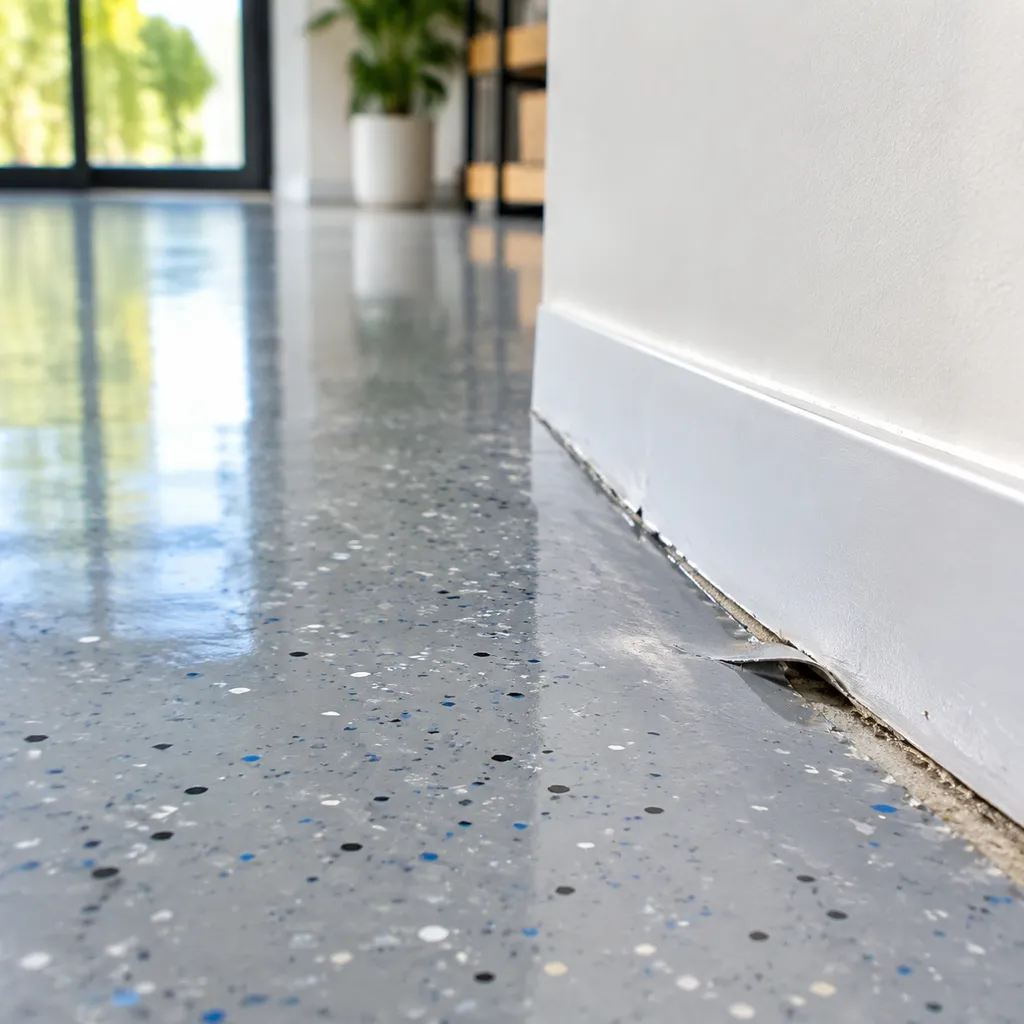
When you notice your resin finish retreating from the perimeter of your project, you are dealing with a common epoxy edge pullback issue. Visually, this manifests as the liquid material crawling away from the border, leaving thin, dry, or exposed patches along the side. You might see the coating bunching up slightly just before the edge, creating a thickened ridge, or simply fading out completely, which leaves the substrate underneath visible. This epoxy pulling away from edges ruins the clean, professional finish you want on your projects.
Surface Tension and Sharp Edge Effects
The root cause of this retraction is often related to the physics of surface tension resin behavior. Epoxy naturally wants to pull into a bead; when it encounters a sharp 90-degree corner, that tendency is amplified. Because the surface area of a sharp edge is minimal, the liquid resin struggles to maintain a consistent film thickness.
- The Bevel Problem: Sharp, un-sanded corners lack the mechanical profile needed to “grip” the resin as it cures, allowing the sharp edge epoxy coating to slump or retract.
- Meniscus Failure: Instead of flowing over the edge to create a smooth drop-off, the epoxy forms a meniscus that pulls back toward the center of the piece.
To achieve a clean result, the material must be able to wet out the surface evenly. If your edge is too crisp, the physics of the fluid will almost always force it to retract, leading to those frustrating thin film epoxy defect spots that require extra sanding and re-coating.
How Film Thickness Changes Coverage
When dealing with epoxy edge pullback, film thickness is a primary factor. If you apply a layer that is too thin, the resin lacks the mass to overcome its own surface tension, causing it to retract from the border. A thicker application provides more body, allowing the epoxy to maintain a level surface up to the edge. However, applying it too thick on vertical or sharp edges can lead to drips or sagging, so finding the right balance for your specific formulation is key to successful edge coverage coating.
Contamination and Wetting Problems
Even with the perfect mix, surface tension resin behavior is easily disrupted by contaminants. If your substrate has trace amounts of oils, silicone, or dust, the epoxy will fail to wet out the surface properly. This is often why you see epoxy pulling away from edges specifically—these areas are frequently handled, leaving behind skin oils or debris from sanding.
To improve wetting and adhesion:
- Degrease thoroughly: Use a solvent like isopropyl alcohol to ensure the surface is chemically clean.
- Mechanical surface prep: Sanding creates “tooth,” which helps the resin grip the substrate rather than bead up.
- Check the surface energy: Low-energy materials often reject liquid resins, resulting in an uneven thin film epoxy defect.
If your project continues to crawl, it is usually a sign that the resin is unable to bond to the substrate due to a lack of surface energy or the presence of microscopic surface contaminants. Clean, prepared edges are the best defense against unsightly retraction.
How to Repair the Edge
If you notice epoxy pulling away from edges after the material has cured, you can fix the surface without starting over. The goal is to restore the mechanical bond and achieve a clean, level finish.
- Scuff the Surface: Use medium-grit sandpaper (around 120 to 180 grit) to sand the affected edge. This creates a mechanical tooth for the new resin to grip. Ensure you remove all sanding dust thoroughly with compressed air or a tack cloth.
- Tape the Perimeter: Use a high-quality painter’s tape to create a small dam around the edge. This helps the fresh epoxy stay in place and prevents it from running off before it begins to set.
- Apply a Thin Re-coat: Mix a fresh batch of epoxy and apply it carefully to the edge area. Use a small brush or a plastic spreader to ensure even coverage.
- Leveling: Once applied, monitor the edge until the epoxy begins to tack up. If you notice it starting to pull back again, you can use a heat gun or torch lightly to briefly reduce the surface tension and help the resin flow into the corner.
How to Prevent Pullback on the Next Coat
Preventing edge shrink back is much easier than repairing it. By adjusting your preparation and application technique, you can ensure your project finishes with sharp, consistent edges every time.
- Break the Sharp Edge: Epoxy often struggles to cling to perfectly sharp 90-degree corners. Use a router or sandpaper to create a slight radius or bevel on your edges before you begin.
- Apply a Seal Coat: Before your main flood coat, apply a thin, brushed-on seal coat to the edges. This locks down the wood fibers and prevents air bubbles or contaminants from causing the resin to crawl away during the main pour.
- Check Environmental Factors: Ensure your workspace is within the recommended temperature range. Cold substrates or drafts can cause the resin to lose its wetting ability, leading to edge defects.
- Remove Contaminants: Ensure the surface is completely free of oils, wax, or silicone. Even minor residues will act as a repellent, causing the epoxy to retract as it cures.
- Monitor Pot Life: Do not wait too long to spread your resin. Applying the product while it is still at its ideal viscosity ensures better adhesion to the vertical surfaces of your project.
What Information Should You Send to RW ATELIER?
To get the most accurate support for resolving epoxy edge pullback, we need to analyze the specifics of your project. Providing clear, detailed data allows us to determine if the issue stems from surface tension, substrate preparation, or the chemical properties of the resin itself. When reaching out to the RW ATELIER team, please include the following information:
- Project Substrate: Identify the material you are coating (e.g., live edge wood species, metal, or specific plastic).
- Application Environment: Note the ambient temperature and humidity levels at the time of the pour, as these significantly impact how the epoxy resin levels and adheres to sharp edges.
- Edge Profile: Describe whether you maintained a sharp 90-degree corner or performed a radius roundover, as this dictates how the liquid manages edge coverage.
- Surface Preparation Steps: List the sanding grit sequence and any cleaning agents used, such as acetone or denatured alcohol, to rule out surface contamination.
- Resin Specifications: Specify the product batch or technical grade you are using, including details on whether you are working with a fast-set or a high-viscosity formulation.
- Visual Documentation: Include clear, high-resolution photos of the epoxy pulling away from edges or showing epoxy shrink back to help our technicians identify the failure pattern.
Providing these details helps us assess whether your project requires a custom epoxy formulation or if a simple adjustment in your application technique will fix the thin film epoxy defect. Our team is here to assist with industrial-grade solutions to ensure your finish stays consistent and professional.
How Can RW ATELIER Support This Project?
At RW ATELIER, we specialize in bridging the gap between standard epoxy application and professional-grade results. If you are struggling with epoxy edge pullback or consistent edge coverage coating issues, our technical team provides the expertise needed to optimize your workflow. We help creators and industrial partners troubleshoot surface tension issues and refine their application techniques to ensure a flawless finish every time.
We offer several ways to assist with your specific needs:
- Custom Epoxy Formulation: If standard resin continues to crawl or pull back on your specific substrate, we can provide guidance on selecting the right viscosity or high-performance resin to match your material’s surface energy.
- Technical Troubleshooting: Send us your project details, including the substrate type and environmental conditions. We analyze the root cause of your epoxy pulling away from edges to determine if the issue stems from ambient temperature, contamination, or application speed.
- Factory-Direct Solutions: As an industrial epoxy resin supplier, we provide access to high-quality materials that minimize epoxy shrink back and improve wetting performance. Whether you require bulk supplies or specific product recommendations, our team ensures you have the right chemistry for your application.
- Process Optimization: We assist in developing standard operating procedures for surface prep, seal coats, and recoating intervals, helping you prevent thin film epoxy defects before they start.
We are committed to helping you achieve a professional, durable finish. Contact the team at RW ATELIER to discuss your project requirements and let us provide the technical support necessary to eliminate edge defects from your production line.
