
Cold Cure Epoxy Resin Problems Causes and Solutions
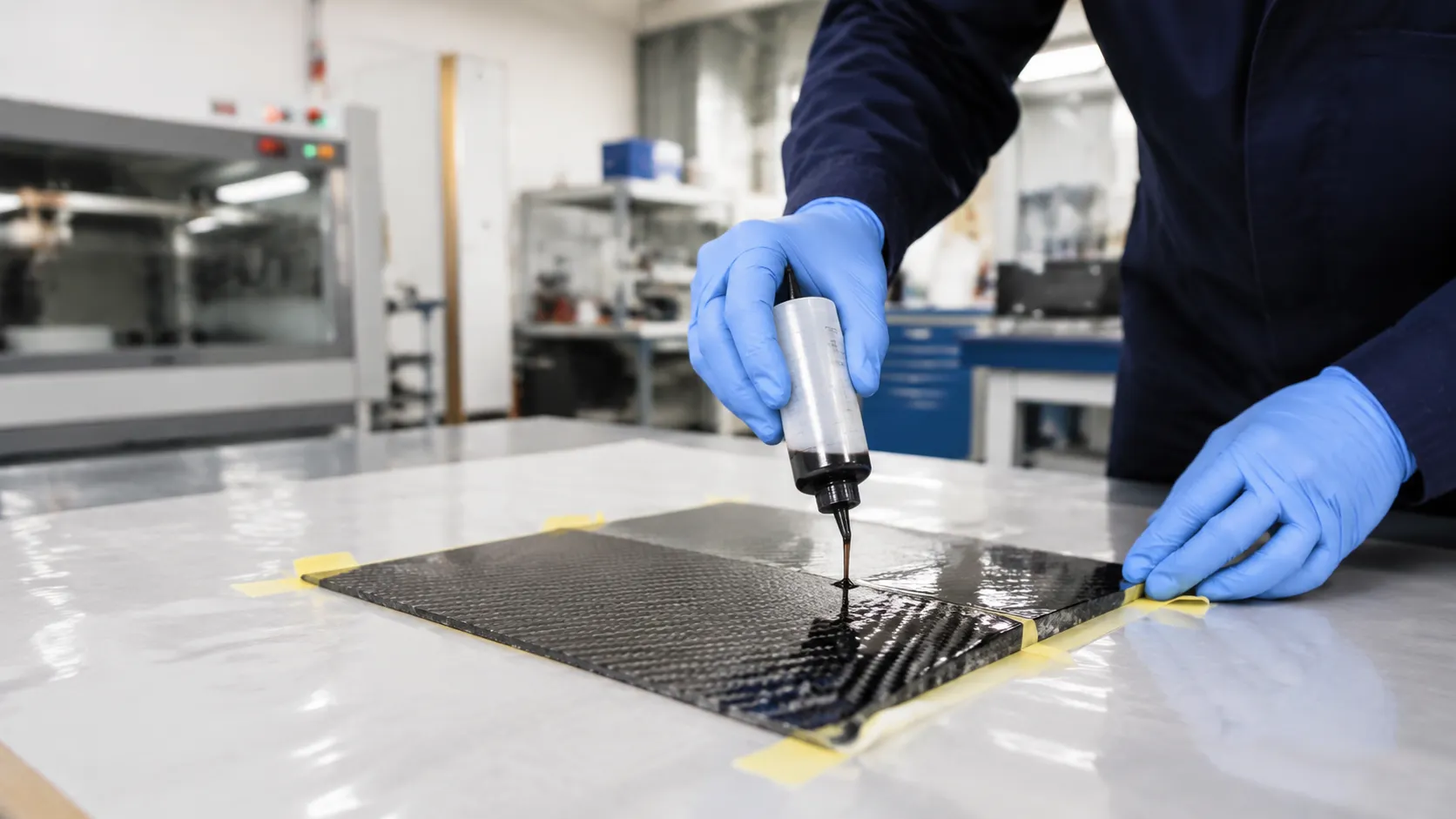
Are you frustrated by sticky, cloudy, or brittle results when working with cold cure epoxy resin?
As a formulator who has spent years troubleshooting workshop disasters, I know exactly how costly a ruined batch can be. It turns out that getting a flawless finish isn’t just about following the label—it’s about understanding the hidden culprits in your environment, your mixing habits, and your material choice.
In this guide, we’re going to break down exactly why your cold cure epoxy resin is failing to cure properly and how you can pinpoint the root cause before wasting your next bulk order.
Let’s dive right in.
What Causes This Problem in Cold Cure Epoxy Resin?
Achieving a flawless finish with a cold cure epoxy resin requires a strict balance of chemistry and environment. When a winter epoxy resin fails to harden, remains tacky, or develops surface defects, the root cause typically stems from three specific areas.
Material and Formula Causes
Standard formulations are inherently sensitive to thermal drops. Without the proper molecular adjustments, standard resins fail under demanding environmental conditions.
- Lack of Specialized Accelerators: Conventional Epoxy AB glue lacks the high-reactivity curing agents required to kickstart polymerization at lower thresholds.
- High Base Viscosity: Cold temperatures cause base resins to thicken significantly. This spike in viscosity prevents proper molecular wet-out and slows down the chemical cross-linking process.
Mixing, Ratio, or Curing Causes
Precise execution during the preparation phase is critical for any low temperature curing epoxy. Chemical reactions require exact contact between components.
- Inaccurate Mixing Ratios: Off-ratio mixing completely stalls the molecular reaction. Unlike other plastics, adding more hardener does not speed up the process; it permanently disrupts the matrix.
- Incomplete Blending: Because cold weather thickens the liquids, thorough mechanical mixing is vital. Areas of unmixed resin will result in permanent soft spots that never reach full mechanical strength.
Temperature and Humidity Factors
The ambient environment directly dictates the success of a room temperature cure. Ignoring atmospheric conditions leads to immediate surface and structural failures.
- Substrate Thermal Mass: Even if the air is warm, a cold concrete or metal substrate draws heat away from the chemical matrix, leading to instances of epoxy not curing in cold weather.
- Moisture Interruption: High humidity levels trigger a secondary reaction between ambient water vapor and the amine hardeners. This results in amine blush—a greasy, cloudy surface film that ruins the finish and extends the expected curing time.
How to Identify the Root Cause in Cold Cure Epoxy Resin
When a low temperature curing epoxy fails to perform as expected, finding the exact issue saves time and materials. Pinpointing the failure mechanism keeps production lines moving and prevents bulk waste.
Check the application environment
The workspace climate dictates how well a winter epoxy resin crosslinks.
- Ambient Temperature: Measure the exact room and substrate temperature. An epoxy not curing in cold weather often stems from the workspace dropping below the chemical’s activation threshold.
- Humidity Levels: High moisture creates a hazy finish or a sticky amine blush.
- Surface Condensation: Cold substrates pull moisture from the air, creating an invisible barrier that ruins adhesion.
Review mixing and working time
Improper blending is a leading reason for sticky or soft spots. Even a premium epoxy AB glue requires strict processing parameters.
- Ratio Accuracy: Always use digital scales for weight-ratio systems or graduated cylinders for volume-ratio systems. Off-ratio mixes never fully cure.
- Mixing Thoroughness: Scrape the sides and bottom of the mixing container. Unmixed components leave weak zones in the final product.
- Pot Life Tracking: Monitor the curing time and working window. If the resin thickens too fast or too slow, the initial material temperature or volume is usually off.
Compare sample results before bulk use
Never risk a large production run without a baseline control test. Running small-scale trials isolates product issues from environmental variables.
| Test Phase | Action | Expected Outcome |
|---|---|---|
| Control Test | Cure a small batch at a stable room temperature cure environment (25°C). | Verifies if the material formula meets standard specifications. |
| On-Site Sample | Pour a test piece directly in the actual workspace. | Confirms if local temperature and moisture resistance alter the cure. |
| Evaluation | Check for hardness, clarity, and surface tack. | Determines if the formula needs optimization from your custom epoxy resin manufacturer. |
Our Dongguan factory runs these exact sample testing protocols under strict ISO 9001 guidelines to ensure every bulk supply order arrives ready for your specific climate conditions.
Practical Solutions and Prevention for Cold Cure Epoxy Resin
Dealing with curing issues in winter or low-temperature environments requires a proactive approach. As a custom epoxy resin manufacturer, we have engineered specific protocols to ensure your cold cure epoxy resin performs flawlessly, even when the thermometer drops.
Formula Selection
Choosing the right material for the job is the most critical step to prevent an epoxy not curing in cold weather scenario. Standard systems stall when temperatures dip, but selecting the proper chemistry ensures a reliable room temperature cure.
- Switch to a Winter Epoxy Resin: Opt for specialty formulations designed with accelerated hardeners that remain active at lower temperatures.
- Utilize Tailored Epoxy AB Glue: Ensure your bulk supply is explicitly rated for your specific working climate to maintain a predictable curing time.
- Prioritize Moisture Resistance: Cold air often brings high humidity or condensation. Selecting a formula with built-in moisture protection prevents blushing and sticky surfaces.
Application Process Improvement
Adjusting how you work with the material on the shop floor can completely bypass traditional cold-weather failures.
| Action Item | How It Helps | Best Practice |
|---|---|---|
| Pre-heat the Substrate | Eliminates thermal shock | Use heat lamps on the bonding surface before pouring. |
| Pre-warm the Components | Lowers viscosity for better mixing | Warm the A and B sides in a water bath to 25°C before combining. |
| Extend Mixing Time | Ensures complete chemical reaction | Mix thoroughly for an extra 1–2 minutes since cold slows molecular movement. |
Storage and Handling Recommendations
How you store your bulk supply directly impacts how the resin behaves during application. Proper management at your facility guarantees consistent quality.
- Keep Off Concrete Floors: Never store epoxy AB glue directly on cold shop floors. Elevate containers on pallets or shelving to maintain stable temperatures.
- Maintain Climate-Controlled Storage: Store all chemical inventory between 20°C and 25°C to prevent crystallization of the resin component.
- Verify Batch Quality with Sample Testing: Before launching a large-scale production run in changing seasons, always conduct small-scale sample testing to verify the cure profile under current shop conditions.
Recommended RW Atelier Solution
Product type to consider
When handling low temperature curing epoxy projects, selecting the right base chemistry is critical. We manufacture high-performance winter epoxy resin systems and Epoxy AB glue formulas specifically engineered to maintain cross-linking efficiency when temperatures drop. For applications requiring rapid turnarounds or thin-coat fixes in cold conditions, incorporating specialized UV resin or moisture resistance PU glue variations into your production line ensures consistent bonding and structural integrity.
| Product Category | Best Used For | Key Advantage in Cold Weather |
|---|---|---|
| Low-Temp Epoxy AB Glue | Bulk supply, structural bonding | Prevents the “epoxy not curing in cold weather” issue |
| Moisture-Resistant PU Glue | High-humidity, cold environments | Excellent thermal stability and moisture resistance |
| Fast-Cure UV Resin | Small components, quick repairs | Independent of room temperature cure limitations |
Custom adjustment options
As a leading custom epoxy resin manufacturer based in our Dongguan factory, we don’t believe in one-size-fits-all solutions. Our OEM/ODM capabilities allow us to modify formulas based on your specific global market demands and local climate challenges.
We can adjust the following parameters to fit your workflow:
Curing Time Acceleration: Tweaking latent hardeners to speed up a room temperature cure without sacrificing physical properties.
Viscosity Control: Lowering the viscosity so the cold cure epoxy resin remains pourable and self-leveling even in chilly workshop environments.
Exothermic Peak Regulation: Balancing the heat generation for thick-pour bulk supply orders to prevent cracking or cloudiness.
When to request sample testing
To maintain absolute quality control and keep your production lines running smoothly, timing your testing phase is key. We highly recommend utilizing our sample testing services before finalizing any large-scale procurement.
Trigger Points for Requesting Samples:
Seasonal Shifts: Transitioning your production into winter months where ambient temperatures drop below 15°C.
Compliance Audits: When your regional regulatory standards require updated ISO 9001 certification tracking or specific SDS/MSDS documentation.
New Product Lines: Launching custom molded goods that require a guaranteed, predictable curing timeline under strict environmental variables.
FAQ: Solving Cold Cure Epoxy Resin Issues
Can this problem be solved with a custom formula?
Yes. When standard epoxy is not curing in cold weather, a stock retail product rarely cuts it. As an experienced custom epoxy resin manufacturer, we regularly modify formulas to counteract seasonal drops. Through our OEM/ODM services, we adjust the chemical reactivity of the Epoxy AB glue to create high-performance winter epoxy resin or specialized low temperature curing epoxy. These tailored adjustments speed up the curing time and guarantee a reliable finish even when environmental conditions are far from ideal.
What details should buyers provide for bulk supply?
To fast-track your sample testing and help our Dongguan factory deliver the exact properties you need, please provide the following technical details:
- Minimum Working Temperature: The lowest temperature the resin will face during application and curing.
- Humidity Conditions: Average moisture levels in your environment to ensure proper moisture resistance.
- Desired Curing Time: Your required pot life and final handling strength window.
- Application Thickness: Whether the product is used for thin coatings or deep pours.
- Certification Standards: Any specific ISO 9001 or SDS/MSDS regulatory compliance required for your local import market.
