
Epoxy Resin Not Curing in Cold Weather Causes and Fixes
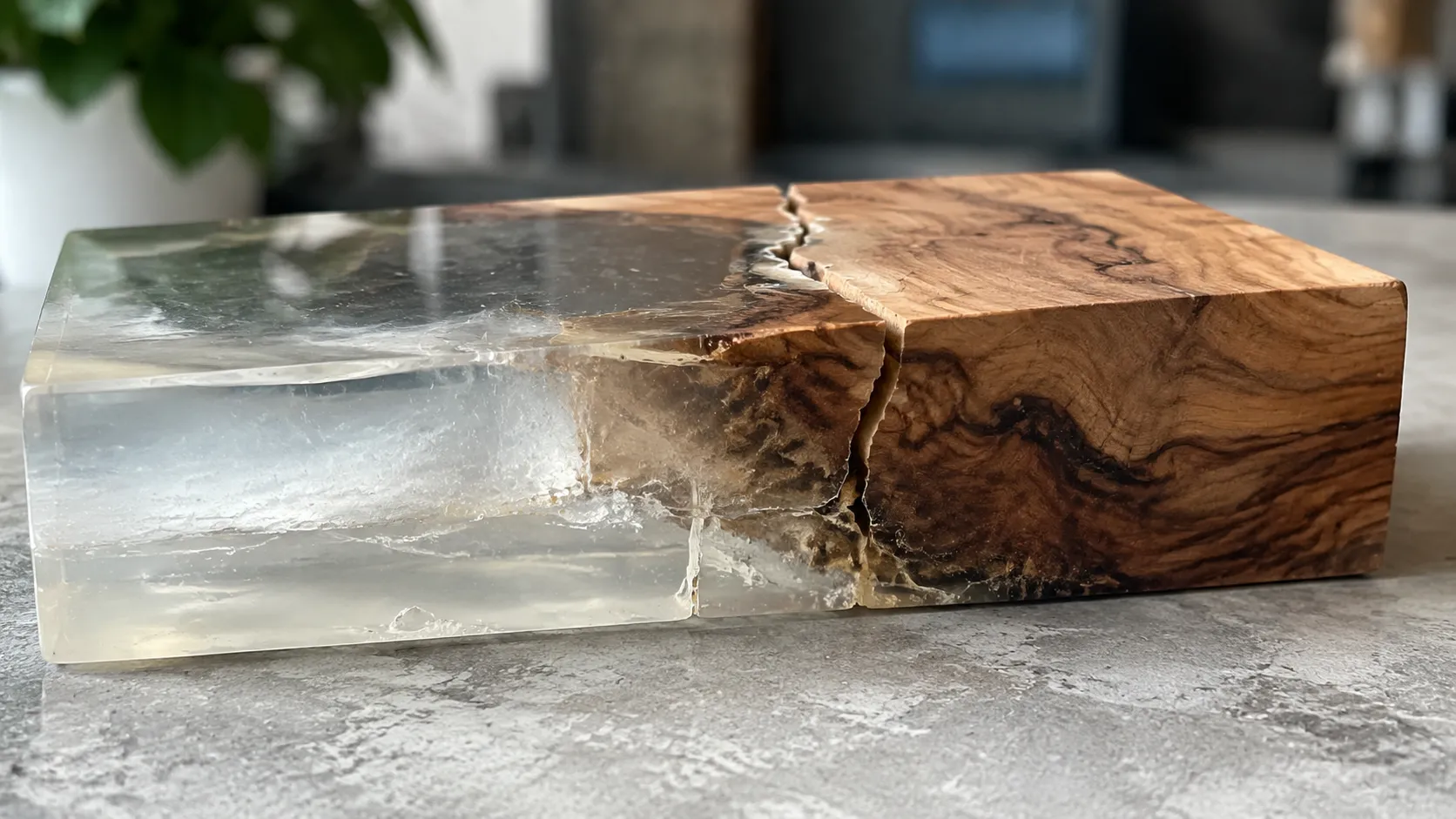
What Causes This Problem in epoxy resin not curing in cold weather?
When winter temperatures set in, curing issues become the most frequent source of product failure for industrial and workshop epoxy projects. Epoxy relies on a temperature-dependent chemical reaction to transform from a liquid to a solid. When the temperature drops, this reaction slows down drastically or stops altogether, leaving the surface tacky, cloudy, or permanently soft.
Material and formula causes
The chemical composition of your system dictates its limits when facing a drop in temperature.
- Lack of Low-Temperature Accelerators: Standard epoxy systems are engineered for room-temperature applications (72°F to 77°F / 22°C to 25°C). Without specific winter accelerators or a cold-weather-optimized curing agent, the formula cannot generate enough chemical activity to cross-link.
- Cold-Induced High Viscosity: Cold weather causes both the resin and hardener to thicken significantly. This high viscosity acts as a physical barrier, preventing the molecules from moving freely and binding together.
Mixing, ratio, or curing causes
Physical preparation mistakes become highly magnified under low-temperature conditions.
- Inadequate Micro-Mixing: Because the cold liquids are thick, manual mixing is much less effective. If the resin and hardener are not blended perfectly down to the molecular level, you will get localized sticky spots that never fully cure.
- Amplified Ratio Errors: In warmer weather, some systems tolerate minor mixing ratio deviations. In the cold, even a tiny measurement error will stall the polymerization process entirely.
- Loss of Exothermic Heat: Epoxy cures via an exothermic (heat-generating) reaction. Cold ambient air and chilly substrates quickly leach this self-generated heat away, stalling the curing cycle mid-process.
Temperature and humidity factors
The surrounding environment directly dictates the success of the polymerization process.
- The Critical Temperature Threshold: For most standard formulas, chemical activity stops entirely when the material or substrate temperature falls below 50°F (10°C).
- Amine Blush and Condensation: Cold air often leads to moisture condensing on the curing surface. This moisture reacts with the curing agent to form amine blush—a sticky, greasy, or waxy surface film that ruins the finish and prevents subsequent coats from bonding.
How to Identify the Root Cause of Epoxy Resin Not Curing in Cold Weather
When dealing with a low temperature cure, isolating the exact variable preventing cross-linking is crucial. Use these diagnostic steps to determine why your epoxy stays sticky or fails to harden.
Check the application environment
Cold air and cold substrates stall the chemical reaction. If your workspace drops below the manufacturer’s recommended threshold, your winter curing resin will struggle to perform.
- Ambient Temperature: Measure the actual room temperature at the floor level, not just the thermostat on the wall.
- Substrate Temperature: Cold concrete, metal, or wood substrates act as heat sinks, pulling warmth away from the curing epoxy.
- Relative Humidity: Cold, damp air introduces moisture to the surface, which can react with the curing agent to cause amine blush—a greasy, uncured film.
Review mixing and working time
Cold temperatures significantly increase the viscosity of epoxy AB glue, making thorough blending difficult and altering expected working times.
| Variable | Impact of Cold Weather | Diagnostic Check |
|---|---|---|
| Viscosity | Thicker resin traps air and resists uniform blending. | Warm the separate resin parts in a warm water bath before mixing. |
| Working Time | Drastically extended; can deceive you into thinking the batch is dead. | Monitor the sample for 48 hours; do not disturb the chemical process early. |
| Mixing Ratio | Off-ratio mixes fail completely in cold conditions. | Use digital scales rather than pumps, as thick, cold liquids cause inaccurate volumetric dispenses. |
Compare sample results before bulk use
Before committing to a large installation or processing a bulk supply, run a controlled comparison to pinpoint the issue.
- The Control Test: Mix a small 100g sample and place it in a temperature-controlled room (21°C to 25°C).
- The Field Test: Mix an identical sample and leave it in your cold production environment.
- The Diagnosis: If the control sample cures hard but the field sample remains soft, the chemistry is correct, but you require a specialized cold weather epoxy or supplemental heating setup to complete the job. Doing this simple sample testing saves significant material costs and labor.
Practical Solutions and Prevention
Formula Selection
When dealing with epoxy resin not curing in cold weather, your best defense is choosing the right chemistry from the start. Standard systems stall out when temperatures drop, leaving you with a sticky, unfinished mess. To combat this, switch to a dedicated low temperature cure formula or a fast-acting winter curing resin.
As a bulk supply manufacturer, we engineer these specialty lines with an accelerated curing agent designed to activate even in brisk conditions. If your project faces unavoidable seasonal chills, selecting a cold-weather-specific Epoxy AB glue or a rapid-setting UV resin ensures the chemical cross-linking triggers reliably without relying on ambient heat.
Application Process Improvement
Adjusting your workflow is critical to defeating cold weather epoxy sluggishness. Before you mix a single drop, implement these process improvements to guarantee a rock-hard finish:
- Pre-heat the components: Safely warm your resin and hardener containers in a warm water bath before mixing to lower viscosity and kickstart reactivity.
- Extend mixing times: Cold components are thicker and harder to blend. Mix thoroughly for an extra minute to ensure complete chemical dispersion.
- Control the local climate: Use space heaters, heat lamps, or curing blankets to maintain an optimal micro-environment around the application zone.
- Manage humidity and temperature: Keep the curing area sealed against drafts to prevent moisture blush, ensuring the surface doesn’t end up with an epoxy stays sticky texture.
Storage and Handling Recommendations
Proper storage prevents chemical separation and crystallization before the product ever hits the mixing cup. Always store your inventory in a temperature-controlled environment, ideally between 20°C and 25°C (68°F to 77°F).
Never allow raw materials to sit directly on cold concrete floors; use pallets or shelving to isolate them. If a shipment gets chilled during transit to your facility, allow the bulk supply to acclimate to room temperature completely before deployment. Proper handling safeguards the integrity of the formula, guaranteeing predictable pot life and reliable cure times regardless of the season outside.
Recommended RW Atelier Solution
When dealing with epoxy resin not curing in cold weather, standard off-the-shelf resins often fail because their chemical reaction slows down or stops completely when temperatures drop. As a custom epoxy resin manufacturer, we engineer specialized solutions to keep your projects on track even during winter conditions.
Product Type to Consider
To bypass the challenges of a low temperature cure, we recommend switching to our fast-cure winter formulations or UV resin systems, depending on your specific application needs.
| Product Type | Best For | Cold Weather Performance | Key Benefit |
|---|---|---|---|
| Low-Temp Epoxy AB Glue | Bulk casting, deep pours, laminating | Cures reliably down to 5°C (41°F) | Accelerates curing agent reaction |
| PU Glue (Polyurethane) | Flexible coatings, rapid bonding | Moisture-resistant, cures fast in cold | High tolerance to temperature swings |
| UV Resin | Small parts, jewelry, quick repairs | Instant cure under UV light, independent of temperature | Cures in seconds; unaffected by cold air |
Custom Adjustment Options
At our Dongguan factory, we don’t believe in one-size-fits-all. We offer tailored OEM/ODM services to modify the chemical properties of your bulk supply:
- Accelerator Dosing: We can adjust the curing agent in your Epoxy AB glue to trigger a faster exothermic (heat-generating) reaction, preventing the sticky, uncured state common in winter.
- Viscosity Control: Cold weather thickens resin, making mixing difficult and trapping bubbles. We chemically lower the initial viscosity so the formula remains easy to pour and self-leveling even in chilly workspaces.
- Moisture Defense: We incorporate hydrophobic additives to protect the curing process from the high humidity and frost often associated with cold-weather environments.
When to Request Sample Testing
Before committing to a bulk supply, we highly recommend utilizing our sample testing services to verify performance under your specific local conditions. You should request a test sample if:
- Your workshop consistently drops below 15°C (59°F).
- You are transitioning to a new winter curing resin formula for automated production lines.
- You need to verify compliance with ISO 9001 quality standards and review our SDS/MSDS documentation for safe winter handling.
FAQ
Can this problem be solved with a custom formula?
Yes, we can absolutely solve the issue of epoxy resin not curing in cold weather by customizing the formula. Standard epoxies slow down or stop curing entirely when temperatures drop. To fix this, our factory adjusts the molecular structure of the curing agent (Part B) and incorporates high-activity accelerators.
Our custom formulations deliver distinct advantages for cold-weather applications:
- Low Temperature Cure: Engineered to kickstart and complete polymerization even in cold environments.
- Maintained Working Time: Keeps a manageable pot life while accelerating the actual cure phase.
- No Sticky Residue: Eliminates amine blush, stickiness, and cloudy surface finishes caused by humidity and temperature imbalances.
Whether you need a modified Epoxy AB glue, a rapid-curing UV resin, or a specialized PU glue, we tailor the reaction profile to your specific regional climate and production line requirements.
What details should buyers provide?
To help us formulate the perfect solution for your winter applications, please provide our technical team with the following details:
- Minimum Application Temperature: The actual lowest temperature of your workspace or job site during application and curing.
- Humidity Levels: Average relative humidity, as high moisture levels combined with cold temperatures can cause surface defects.
- Required Working Time (Pot Life): How many minutes you need to pour, apply, or work with the resin before it begins to gel.
- Target Full-Cure Time: Your ideal timeline for the product to be fully cured, dry to the touch, and ready for handling or transport.
- Application Thickness: Whether you are doing thin coatings, dome sealing, or deep-pour castings.
Our Dongguan factory operates under strict ISO 9001 quality standards and provides complete SDS/MSDS documentation for all shipments. We recommend initiating sample testing with us so you can verify the performance of your custom winter formula before committing to a bulk supply order.
