
Epoxy Flooring System Structure and Working Principle
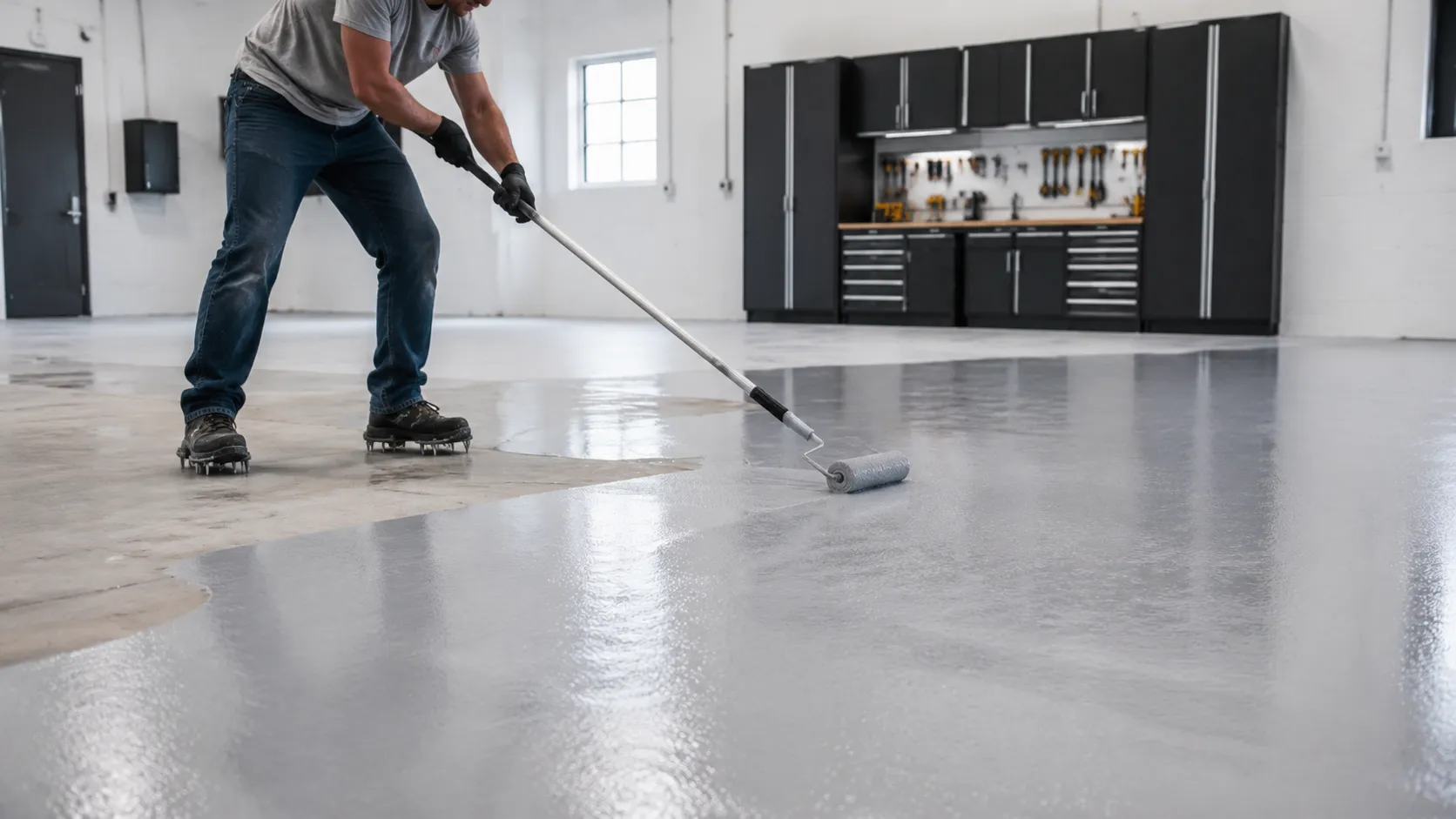
Epoxy Flooring System Structure
An epoxy flooring system is not a single layer of paint; itAn industrial-grade epoxy flooring system is not just a single layer of paint. It is a highly engineered, multi-layered chemical shield fused directly to a concrete substrate. To ensure long-term durability and prevent early curing failure, a professional installation relies on a sequential, heavy-duty layer configuration.
Each layer in this multi-tiered architecture plays a specific, non-negotiable role in securing the floor’s structural integrity:
- Substrate (The Foundation): Mechanically prepared concrete (via grinding or shot-blasting) that provides the open pores necessary for mechanical bonding.
- The Primer Coat: A low-viscosity epoxy that penetrates deep into the concrete. It seals the porous surface, prevents outgassing bubbles, and acts as the ultimate anchor for the rest of the system.
- The Body Coat (Build Layer): A high-build, 100% solids epoxy that provides thickness, impact resistance, and structural strength. This is where pigments, metallic powders, or decorative color flakes are embedded.
- The Topcoat (The Shield): Typically a high-performance urethane, polyaspartic, or specialized chemical-resistant epoxy. This final layer protects the underlying system from UV degradation, abrasions, harsh chemicals, and daily wear and tear.
The Primer-Topcoat System Architecture
| Layer Type | Typical Thickness | Primary Function | Key Performance Benefit |
|---|---|---|---|
| Primer | 3–5 mils | Penetration & Sealing | Prevents outgassing; secures adhesion |
| Body Coat | 10–30+ mils | Thickness & Color Profile | Distributes heavy load weights; hides imperfections |
| Topcoat | 3–8 mils | Chemical & Wear Resistance | Shrugs off hot tires, oil spills, and scratches |
The Three-Layer Logic of an Epoxy Flooring System
To get a flawless, industrial-grade finish, you cannot rely on a single layer of paint. A professional epoxy flooring system relies on a strict three-layer logic. Each layer plays a distinct role in securing the bond, building strength, and protecting the surface.
1. The Primer Coat (The Foundation)
The primer is the critical first step in our primer topcoat system. It penetrates deep into the concrete pores, creating a powerful mechanical bond.Epoxy Flooring System Logic
A professional epoxy flooring system relies on a strict three-layer logic to deliver maximum durability. Each layer serves a distinct chemical and mechanical purpose. Cutting corners on any of these steps is the leading cause of curing failure and premature peeling.
1. The Primer Coat (The Anchor)
- Function: Penetrates deep into the concrete pores to seal the substrate.
- Importance: It acts as the essential bonding bridge for the entire primer topcoat system. Skipping this step leads to outgassing, which creates bubbles and weakens the bond.
2. The Mid-Coat (The Build)
- Function: Builds thickness, levels out minor floor imperfections, and absorbs impacts.
- Importance: This layer gives the floor its structural strength. It can also be broadcast with color flakes, quartz, or anti-slip silica to meet specific safety and aesthetic needs.
3. The Topcoat (The Shield)
- Function: Seals the system with a hard-wearing, protective finish.
- Importance: This final layer shields the floor from UV degradation, heavy wear, hot-tire pickup, and harsh chemical spills.
| Layer | Primary Role | Key Benefit |
|---|---|---|
| Primer | Adhesion & Sealing | Prevents bubbles and curing failure |
| Mid-Coat | Durability & Thickness | High impact and wear resistance |
| Topcoat | Surface Protection | Chemical, UV, and scratch resistance |
The Engineering Science of a Lasting Bond
An epoxy flooring system relies on chemical fusion rather than simple adhesion. Understanding the mechanics of the curing process is the difference between a lifetime floor and a costly cleanup.
Cross-Linking Chemistry
When we mix the resin and the hardener, it triggers an exothermic reaction (heat-generating). This reaction forms tight polymer chains in a process called cross-linking.
- Temperature Matters: The sweet spot for curing is between 60°F and 85°F.
- Moisture is the Enemy: High concrete moisture blocks the chemical bond, leading to bubbling or peeling.
- Mixing Ratios: Precise ratios are non-negotiable. Eyeballing the mix limits the chemical reaction, resulting in a sticky, uncured mess.
Avoiding Curing Failure
A curing failure occurs when the chemical reaction is interrupted or incomplete. We prevent this by controlling the application environment:
| Common Issue | Root Cause | Prevention |
|---|
