

Epoxy resin is the go-to choice for many modern surfboard manufacturers and DIY shapers. Its superior strength, lightweight properties, and resistance to water absorption make it ideal for high-performance boards. However, working with epoxy isn’t foolproof—many builders unknowingly compromise their boards’ strength, finish, or durability by making avoidable mistakes.
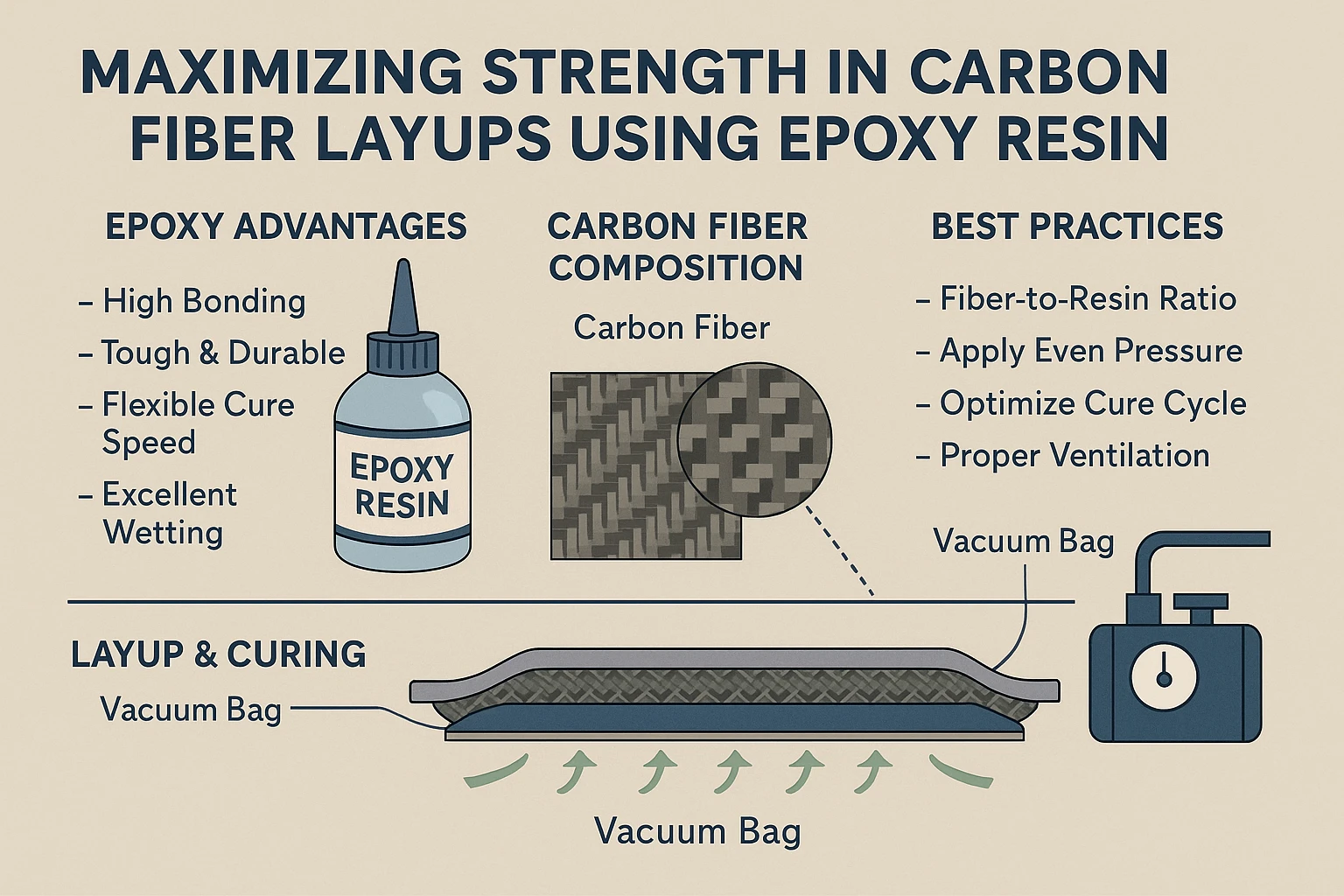
Carbon fiber composites are renowned for their exceptional strength-to-weight ratio, making them indispensable in performance-critical products like surfboards, skateboards, and high-end fishing rods. However, the full potential of carbon fiber can only be realized with the right matrix—most notably, epoxy resin.
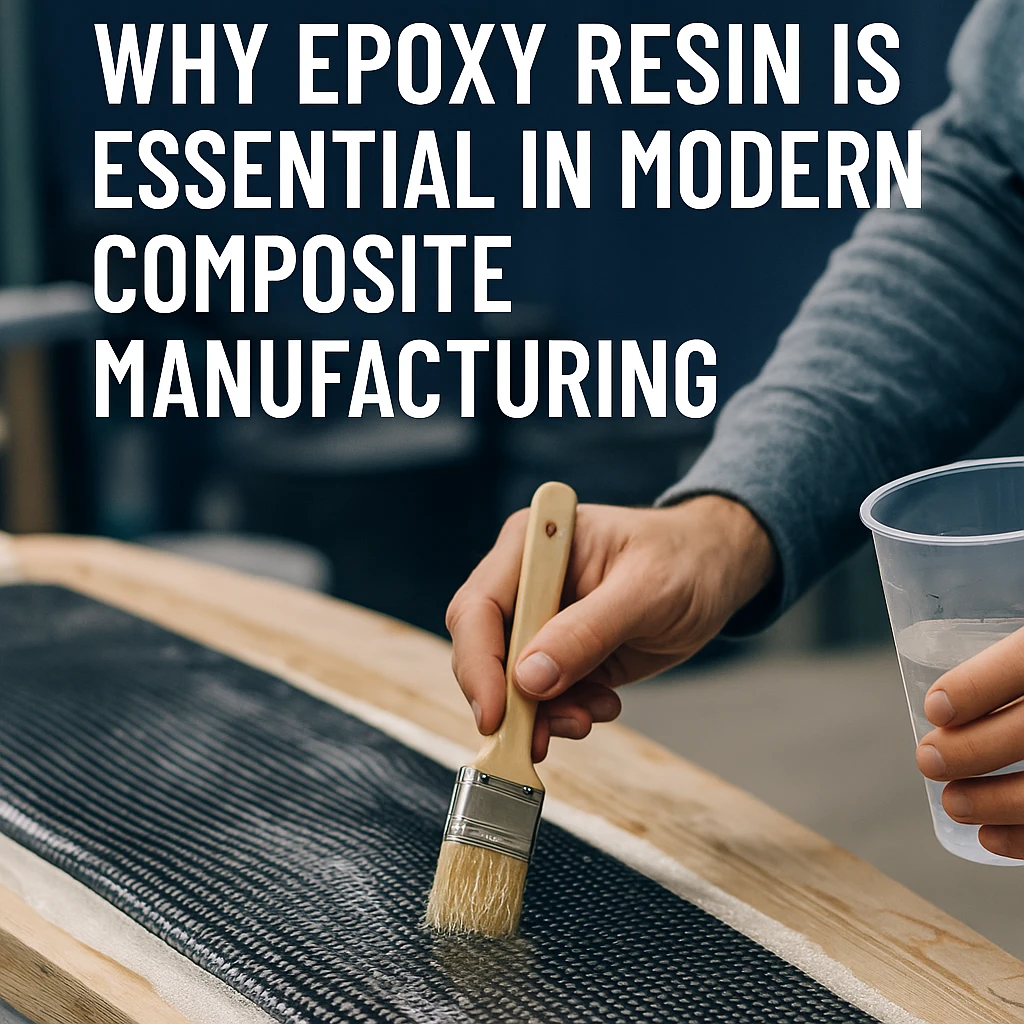
Epoxy resin plays a pivotal role in the advancement of modern composite manufacturing. From high-performance surfboards and skateboards to carbon fiber reinforcements and precision-engineered fishing rods, epoxy resin offers exceptional strength, superior adhesion, and resistance to environmental stressors. This article explores why epoxy continues to be the resin of choice for reinforcing lightweight, impact-resistant, and high-end composite products.
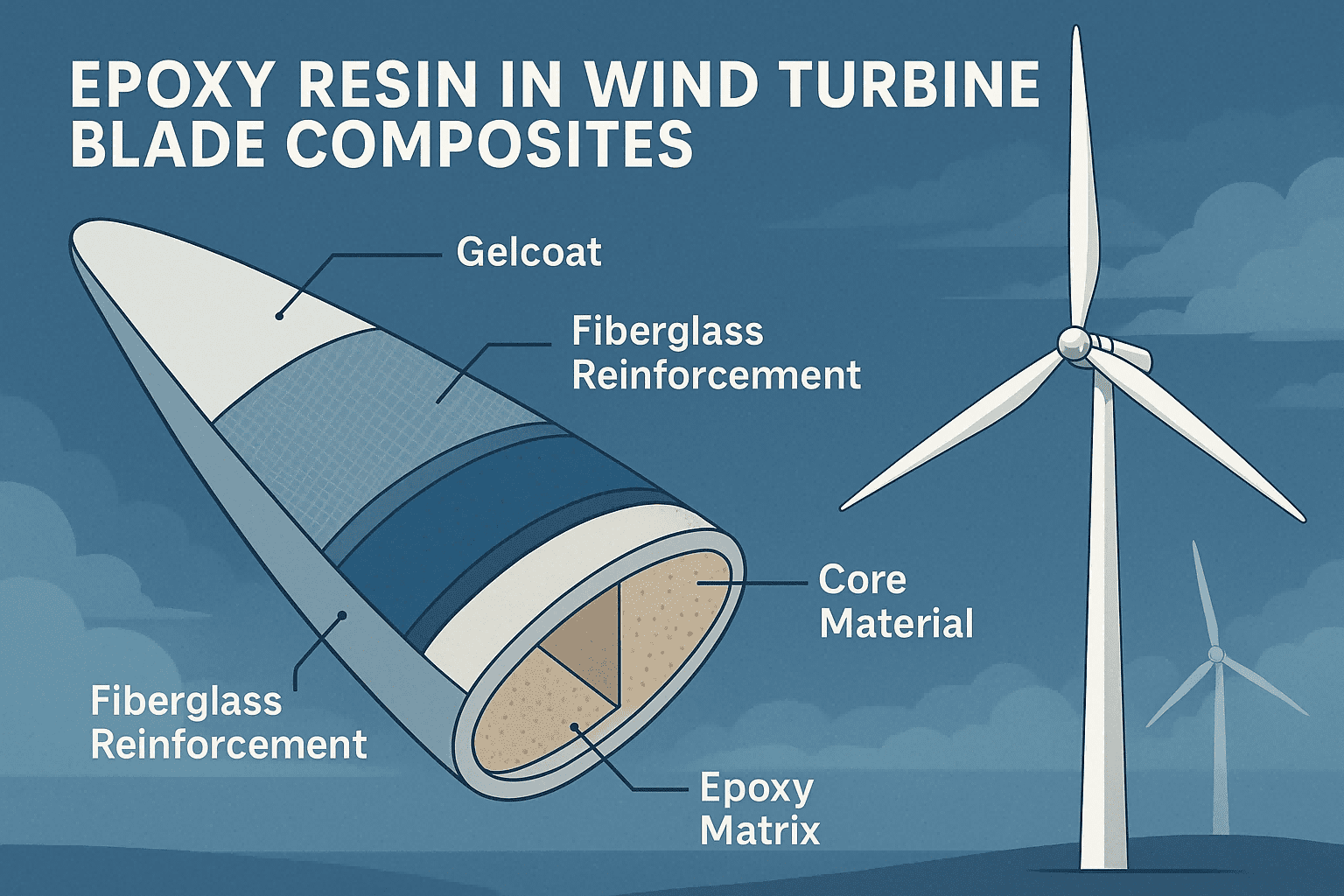
As wind energy becomes increasingly vital in the global clean energy mix, the need for durable, high-performance materials in wind turbine blade manufacturing has never been more pressing. Epoxy resin for wind turbine blades plays a central role in enabling long-lasting, efficient, and lightweight composite structures.
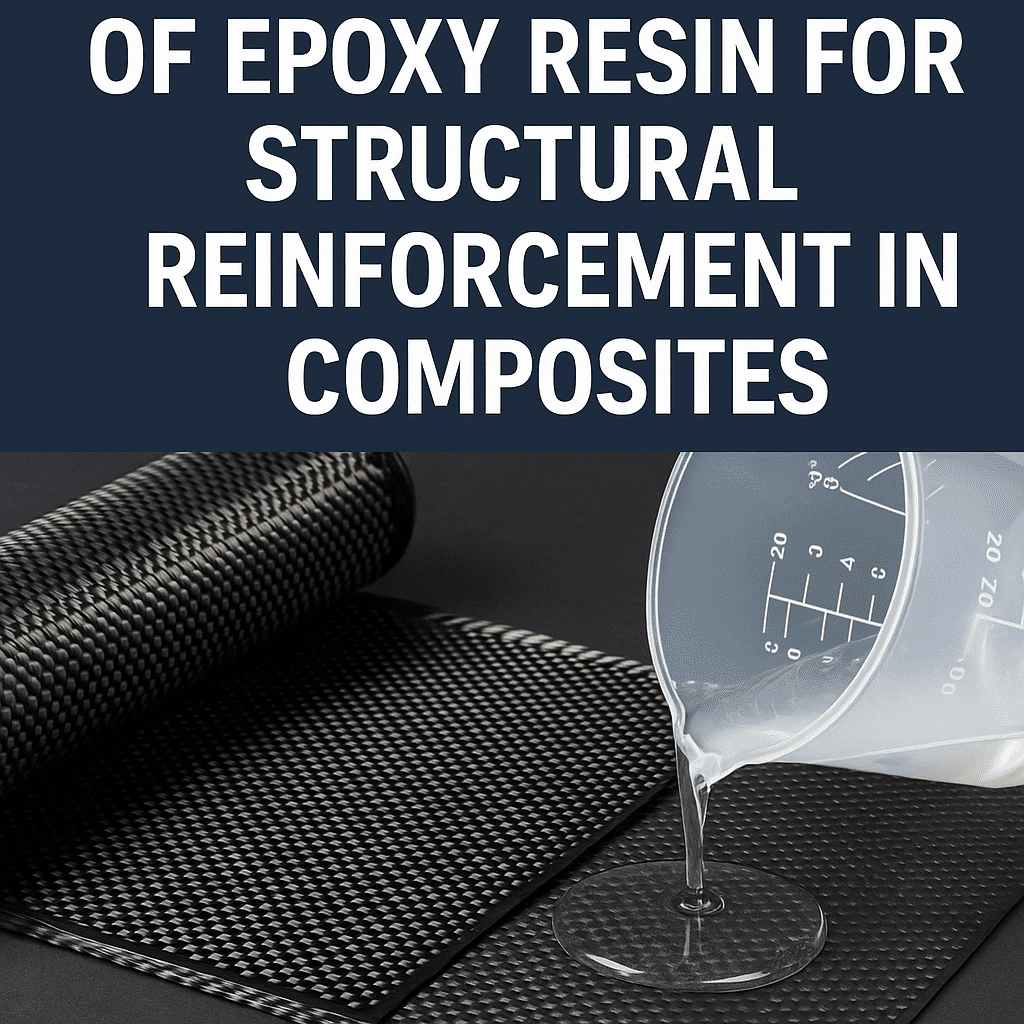
Epoxy resin has become an indispensable material in the field of composite structural reinforcement. Whether it’s aerospace, marine, automotive, or civil engineering, epoxy-based systems are widely used to enhance the strength, durability, and lifespan of composite structures. In this article, we explore why epoxy resin is preferred by engineers, what makes it superior, and how to apply it effectively.
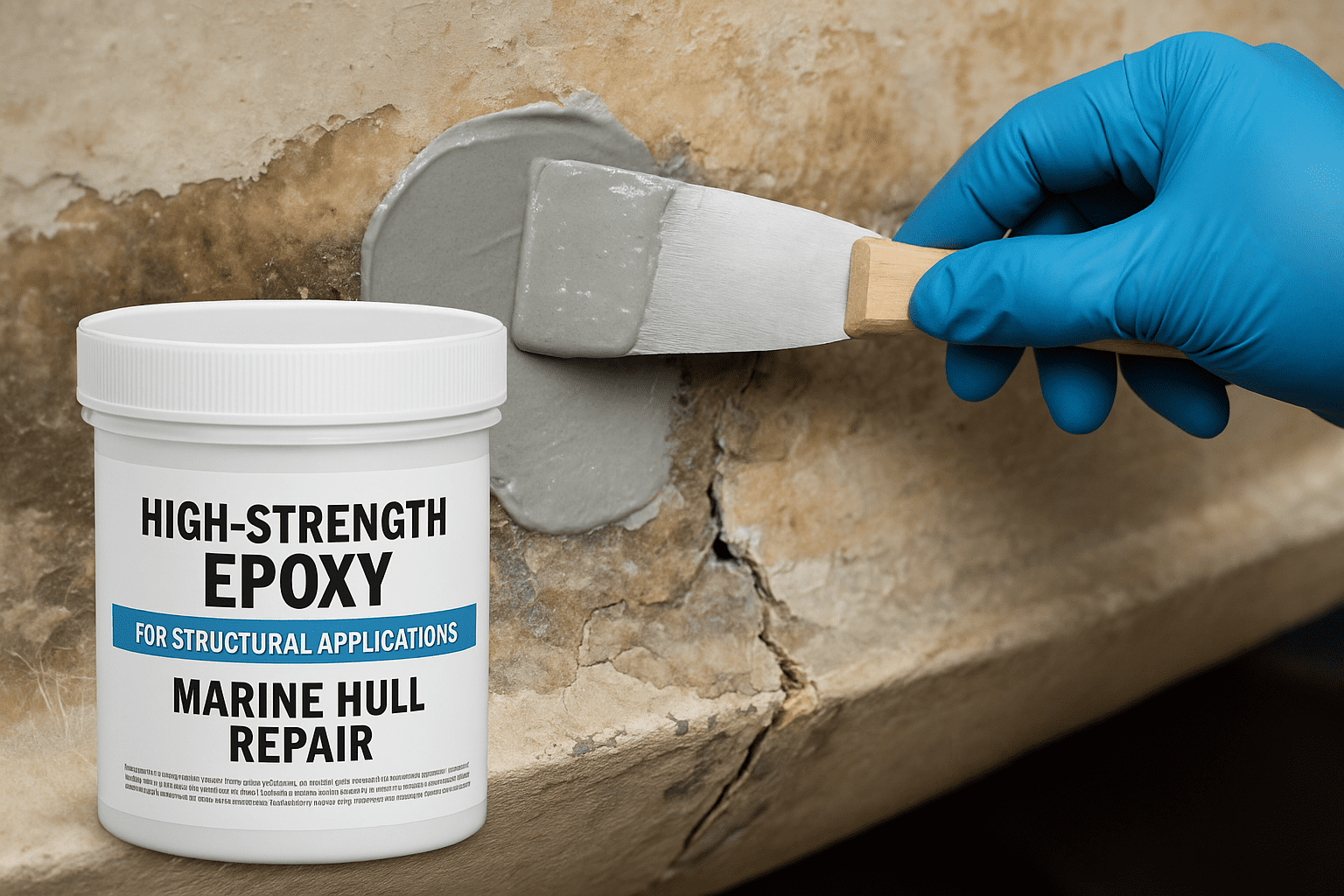
Fiberglass boat hulls are widely used in marine applications due to their strength and lightweight properties. However, when damaged by impacts, stress, or weathering, selecting the right material for repair is crucial. High-strength epoxy resin for hull repair offers superior bonding, chemical resistance, and durability compared to polyester resins. This article provides a professional yet practical guide for shipyards, marine repair technicians, and contractors.
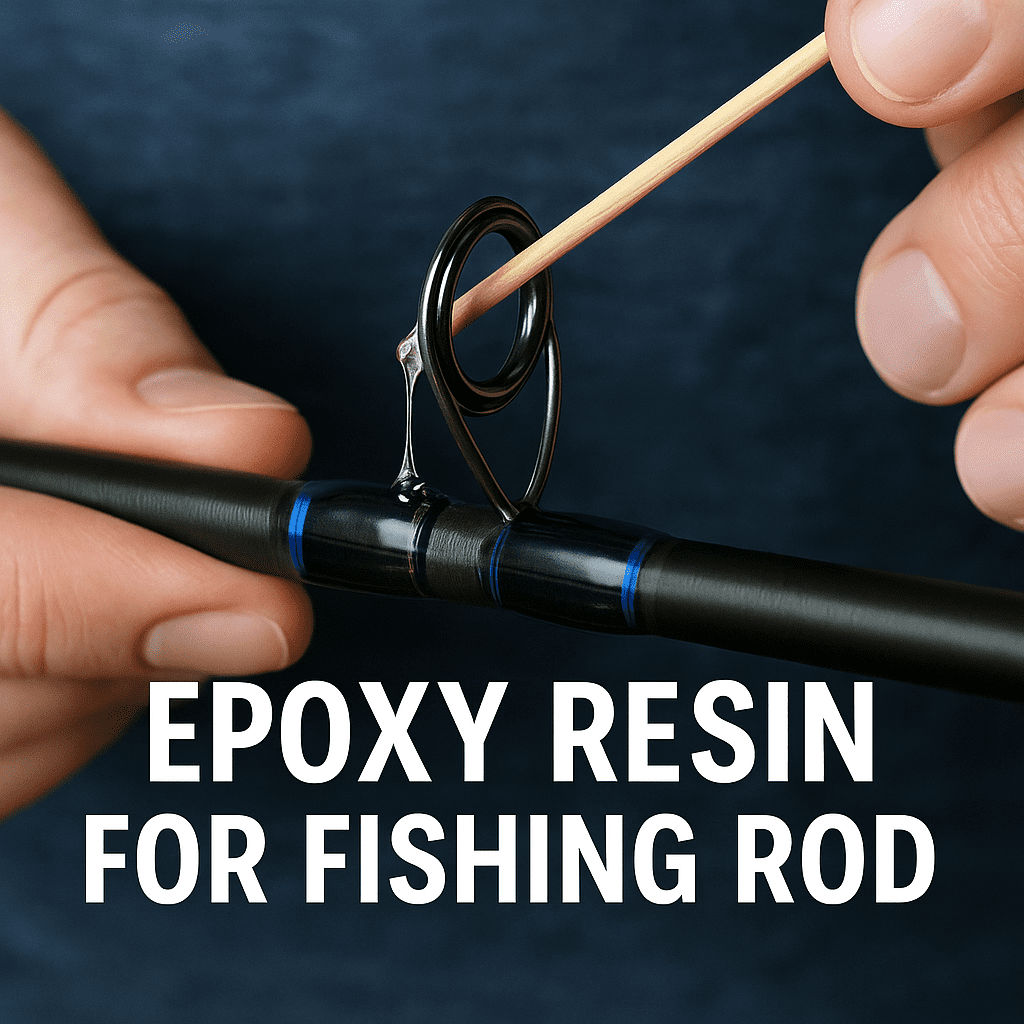
If you build or repair fishing rods, the epoxy resin you use can make or break your project. From securing guide wraps to coating decorative thread, the right resin needs to be crystal clear, UV-resistant, and easy to apply. This article walks you through what makes an ideal epoxy resin for fishing rods and how to get professional results, even as a DIYer.

Cold shop? Here’s how to get a full cure without compromising clarity or strength.
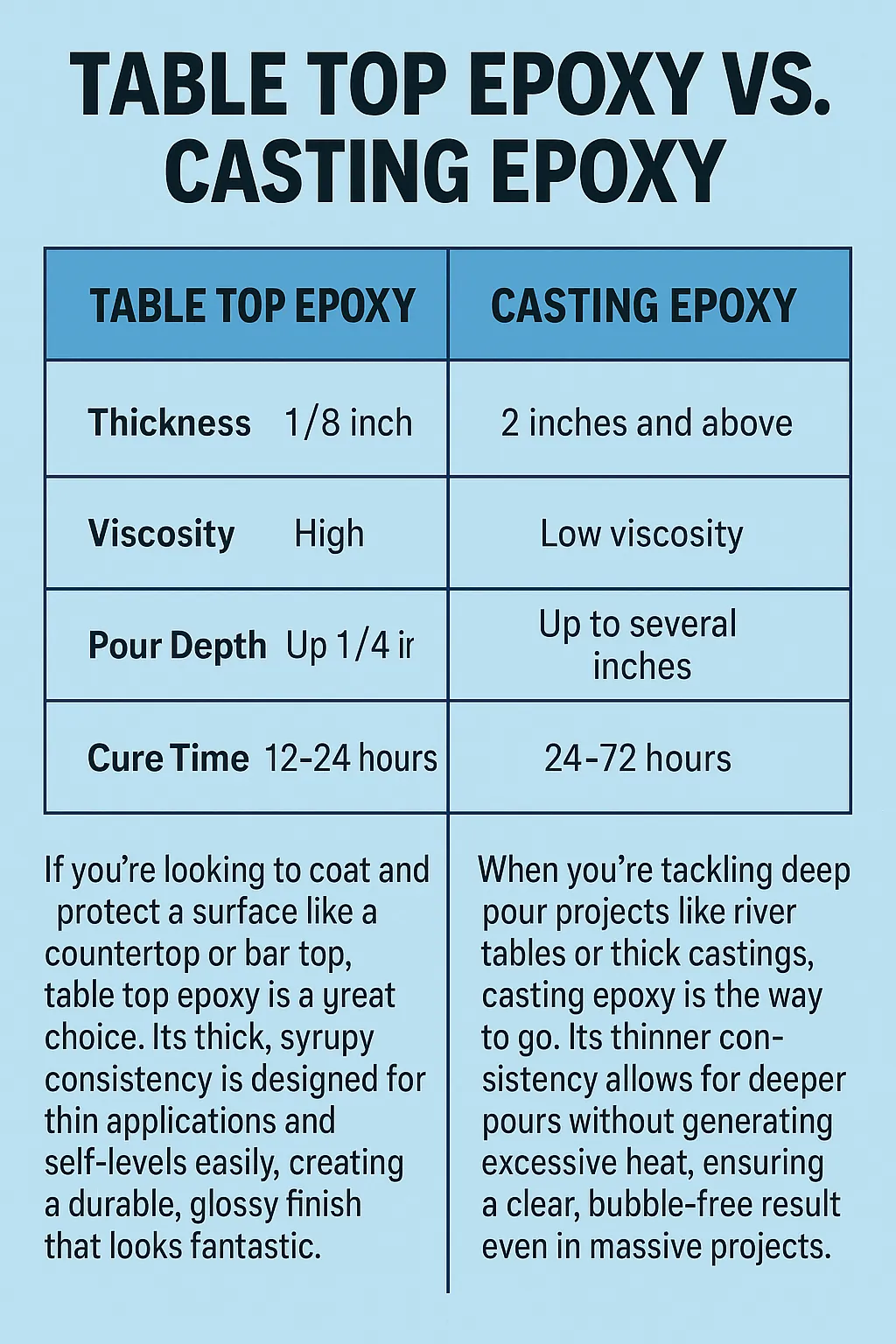
If your epoxy resin still sticky after hours—or even days—you’re not alone.
I remember my first big resin pour on a walnut tabletop: it looked like liquid glass under the shop lights,
but the next morning it was tacky, leaving fingerprints. Let’s look at why epoxy resin still sticky
happens and, more importantly, how to fix it so you get a crystal‑clear, rock‑hard finish every time.
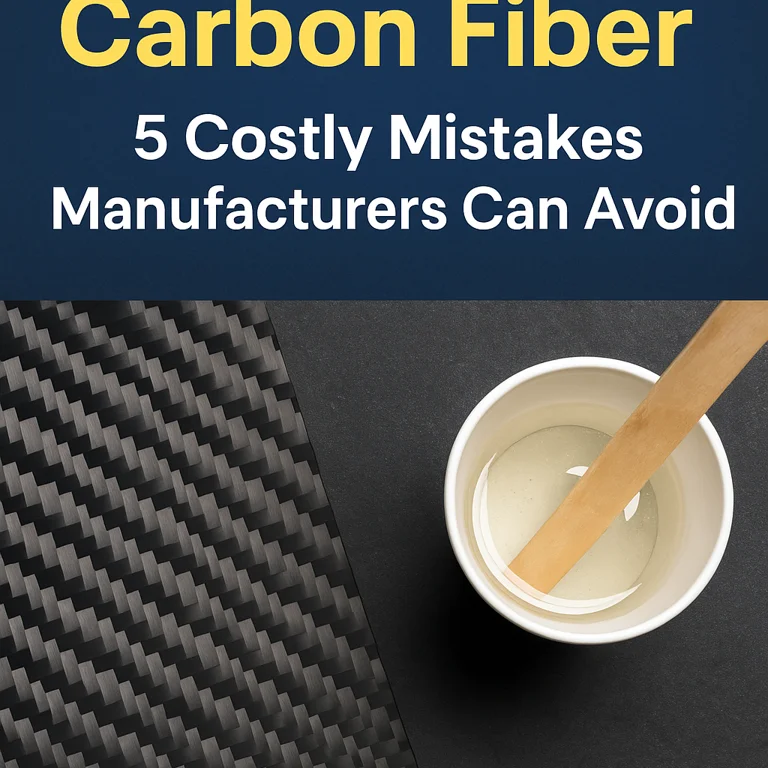
Choosing the right epoxy resin for carbon fiber can make or break your product quality. Whether you’re working on aerospace panels, performance bikes, or car interiors, using the wrong resin can lead to delamination, cloudiness, or worse—product failure.
In this guide, we’ll walk through common mistakes manufacturers make when selecting epoxy resin for carbon fiber, and how to avoid them using industry-tested formulas like 212AB, 4212AB, and 4010AB.